Visit Guide: Crafting Exceptional Sightseeing Experiences
A well-crafted visit guide serves as the foundation for memorable sightseeing experiences, transforming ordinary trips into extraordinary journeys. Whether you're organizing tours for small private groups or designing experiences for diverse audiences, understanding what makes an effective visit guide is essential for success. This comprehensive resource explores the critical elements that elevate tourist experiences from generic itineraries to personalized adventures that resonate with visitors long after they return home.
Understanding the Purpose of a Modern Visit Guide
The traditional concept of a visit guide has evolved significantly beyond simple maps and attraction lists. Today's visitors expect curated experiences that reflect their interests, time constraints, and desire for authentic connections with local culture.
A comprehensive visit guide addresses multiple needs simultaneously. It provides practical information about locations, timing, and logistics while also weaving narratives that bring destinations to life. For tour operators, this means balancing detailed planning with flexibility to accommodate spontaneous discoveries and individual preferences.
Core Components That Define Quality
Every effective visit guide includes several fundamental elements that work together to create seamless experiences:
- Detailed route planning that minimizes unnecessary backtracking
- Time allocations for each location based on realistic expectations
- Alternative options for different weather conditions or group preferences
- Accessibility information to ensure inclusivity
- Emergency contacts and safety protocols
These components form the skeleton of your guide, but the real magic happens in how you present and personalize this information. Walking tour guides excel when they combine structural clarity with authentic storytelling that engages participants throughout the journey.
Planning Routes That Enhance Visitor Experience
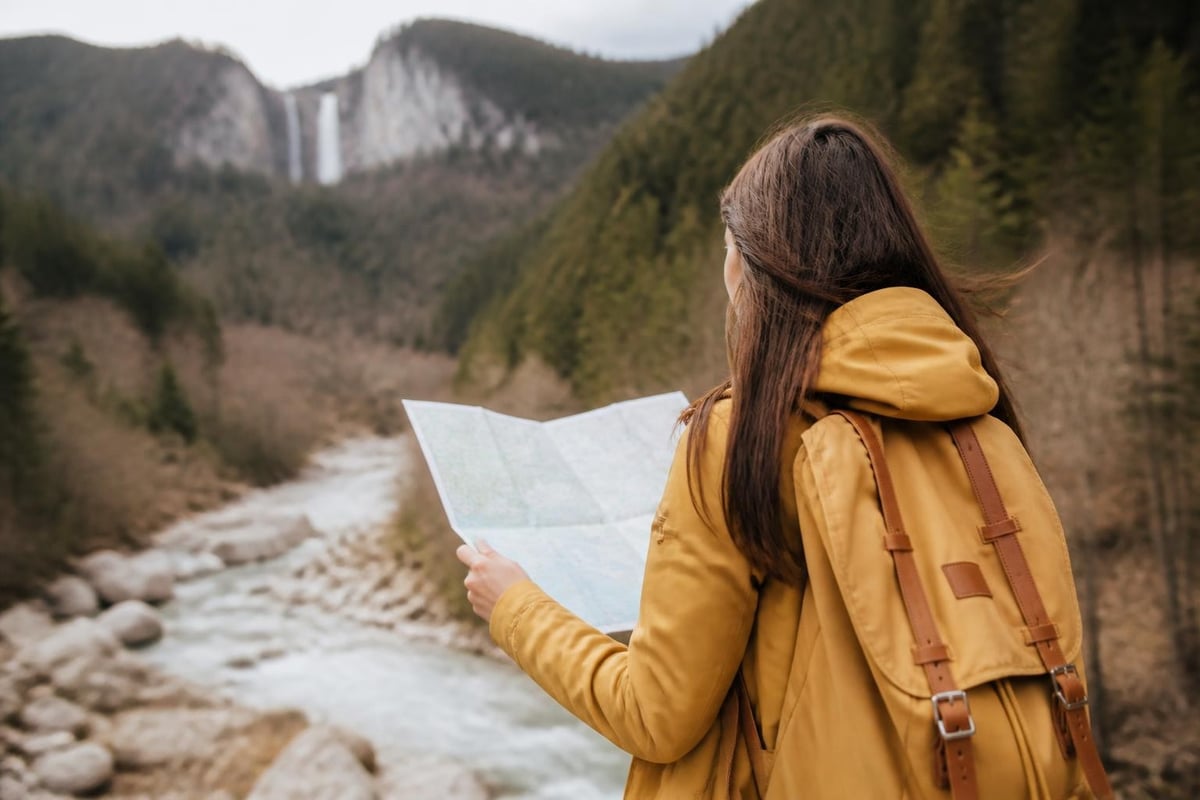
Strategic route planning represents one of the most crucial aspects of developing an effective visit guide. The sequence of locations, transitions between sites, and pacing throughout the day directly impact visitor satisfaction and engagement levels.
Following travel route planning best practices ensures that your tours flow naturally from one highlight to the next. Consider the physical demands on participants, natural lighting conditions for photography, and crowd patterns at popular attractions.
Mapping Techniques for Optimal Flow
Creating routes that feel effortless requires careful consideration of multiple factors:
| Planning Factor | Impact on Experience | Implementation Strategy |
|---|---|---|
| Walking Distance | Physical comfort and stamina | Limit continuous walking to 20-30 minute segments |
| Elevation Changes | Energy management | Alternate uphill and level terrain |
| Sun Exposure | Comfort and visibility | Schedule outdoor portions during optimal light |
| Crowd Timing | Photo opportunities and engagement | Visit popular sites early or late |
When designing routes for Stockholm Old Town, for instance, the narrow medieval alleys require different navigation strategies than modern districts. Your visit guide should anticipate these variations and prepare participants appropriately.
Incorporating Rest Points and Flexibility
Even the most enthusiastic travelers need strategic pauses. Building rest opportunities into your visit guide demonstrates professionalism and consideration. These moments also provide perfect opportunities for storytelling, answering questions, or allowing participants to explore independently.
Consider designating specific locations where groups can pause, refresh, and absorb what they've experienced. Cafes, scenic overlooks, and historical squares serve multiple purposes beyond mere rest stops.
Personalizing Content for Different Audiences
The most effective visit guide adapts to its audience rather than forcing visitors into predetermined molds. Understanding who will use your guide influences every decision, from language complexity to activity selection.
Group tours benefit from personalization strategies that accommodate diverse interests within a single experience. This might mean offering optional extensions, highlighting different aspects of the same location, or creating modular components that can be mixed and matched.
Tailoring Information Depth
Different visitor types require varying levels of detail:
- First-time visitors need foundational context and orientation
- Repeat travelers appreciate deeper insights and lesser-known details
- Specialized interest groups want comprehensive information about specific themes
- Families require engaging narratives suitable for multiple age groups
- Corporate groups value efficiency balanced with team-building opportunities
Your visit guide should signal which information applies to which audiences, allowing everyone to extract maximum value. For cultural tours, this might mean layering information so casual participants get compelling stories while enthusiasts can dig deeper into historical details.
Creating Compelling Narratives and Context
Facts alone rarely create memorable experiences. The stories, connections, and context you weave around locations transform sightseeing into genuine cultural immersion. An exceptional visit guide balances information delivery with narrative engagement.
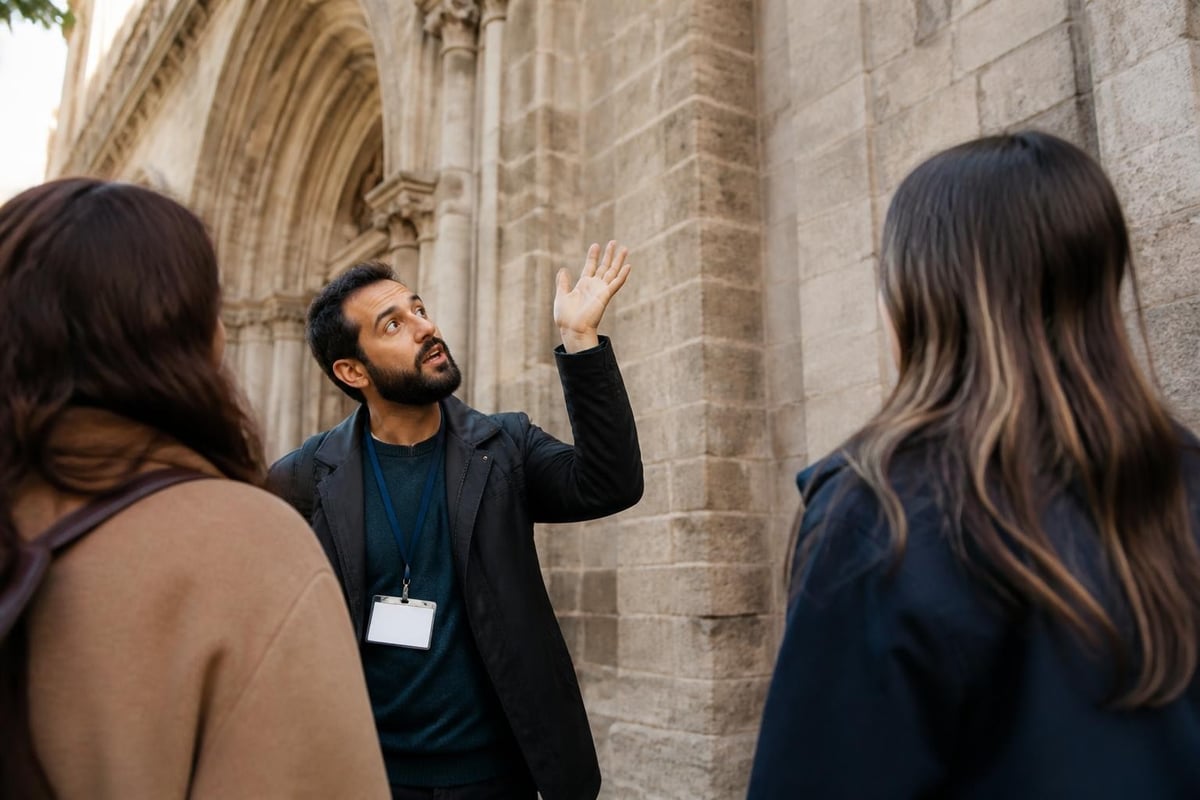
According to insights from destination visitor guide examples, the most successful guides use authentic storytelling to create emotional connections between visitors and places. This approach proves particularly effective when exploring locations like Stockholm's Royal Palace, where centuries of history come alive through well-chosen anecdotes.
Building Thematic Connections
Rather than presenting isolated facts about individual sites, effective visit guides create thematic threads that connect multiple locations:
- Historical continuity showing how events shaped the city's development
- Architectural evolution tracing style changes across centuries
- Cultural movements linking artistic, literary, or musical heritage
- Local personalities following the footsteps of influential figures
- Contemporary relevance connecting past events to present-day life
These thematic approaches work exceptionally well for specialized experiences. An ABBA-themed journey gains depth when it connects the band's music to Swedish cultural identity, 1970s social changes, and Stockholm's transformation into a creative hub.
Incorporating Visual and Interactive Elements
Modern visit guides extend beyond written or spoken words to engage multiple senses and learning styles. Visual aids, interactive components, and hands-on elements significantly enhance information retention and enjoyment.
The art of creating effective visitor guides emphasizes authentic imagery and balanced content presentation. For digital guides, this might include augmented reality features, while printed versions benefit from high-quality photography and clear mapping.
Technology Integration Strategies
Contemporary tour operators increasingly blend traditional guiding with technological enhancements:
- GPS-enabled navigation for self-guided components
- Audio supplements providing background music or ambient sounds
- Digital photo sharing creating group memories in real-time
- QR codes linking to additional resources and multimedia content
- Interactive polls gauging preferences for flexible itineraries
When implementing technology in your visit guide, ensure it enhances rather than distracts from the core experience. Professional tour guides understand that tools should support human connection and storytelling, not replace them.
Safety, Logistics, and Practical Considerations
Behind every seamless tour experience lies meticulous attention to safety protocols and logistical details. Your visit guide must address these practical elements comprehensively while keeping them unobtrusive to the overall experience.
The National Park Service trip planning guide offers valuable frameworks for preparation and risk management that apply equally to urban tours. These principles ensure that guides anticipate challenges before they arise and maintain participant safety throughout the journey.
Essential Safety Components
| Safety Category | Visit Guide Requirements | Implementation Example |
|---|---|---|
| Medical Preparedness | First aid resources, emergency contacts | Identified hospitals along route |
| Weather Contingencies | Alternative indoor options, protective gear | Museum backup for rainy days |
| Mobility Accommodations | Accessible routes, rest frequency | Elevator locations, seated viewing points |
| Group Management | Headcount protocols, meeting points | Visual identification, digital check-ins |
For walking tours in Stockholm, specific considerations include cobblestone navigation, narrow alley crowd management, and seasonal daylight variations. Your visit guide should address these location-specific factors explicitly.
Timing and Pacing Strategies
Realistic time allocations separate professional visit guides from amateur attempts. Under-estimating duration creates rushed, stressful experiences, while over-allocating leads to boredom and disengagement.
Consider these timing benchmarks when developing your schedule:
- Travel between locations: Add 20% buffer beyond pure transit time
- Photography opportunities: Allow 5-10 minutes at scenic viewpoints
- Historical explanations: Budget 3-5 minutes per major point of interest
- Interactive activities: Plan 10-15 minutes for hands-on components
- Restroom and refreshment breaks: Schedule every 90 minutes minimum
Gathering Feedback and Continuous Improvement
The strongest visit guides evolve based on real-world testing and participant feedback. Establishing systematic methods for collecting and implementing insights ensures your offerings remain relevant and competitive.
Following best practices from visitor attractions, successful tour operators create feedback loops that capture both quantitative ratings and qualitative observations. This dual approach reveals not just what worked, but why certain elements resonated with participants.

Implementing Structured Evaluation
Create multiple touchpoints for gathering insights throughout the visitor journey:
- Pre-tour surveys establishing expectations and special interests
- Mid-tour check-ins allowing real-time adjustments to pacing or content
- Immediate post-tour feedback capturing fresh impressions and emotions
- Follow-up communications soliciting reflective thoughts after participants return home
- Guide debriefs incorporating professional observations and spontaneous moments
For customized tours, this feedback becomes particularly valuable in understanding which personalization elements delivered the greatest value. Small adjustments based on patterns in participant responses can dramatically improve future experiences.
Balancing Structure with Spontaneity
Perhaps the greatest challenge in creating an effective visit guide involves maintaining enough structure to ensure comprehensive coverage while preserving flexibility for spontaneous discoveries and participant-driven exploration.
Rigid adherence to schedules often contradicts the spirit of authentic travel experiences. The most memorable moments frequently emerge from unplanned conversations, unexpected weather that reveals different character, or participant questions that lead down fascinating tangents.
Building Flexibility Into Your Framework
Professional visit guides incorporate deliberate "flex time" that serves multiple purposes:
- Cushion for running ahead or behind schedule without sacrificing key components
- Opportunity for participant-initiated exploration of topics that resonate
- Weather adaptation periods allowing route modifications as conditions change
- Energy management extending breaks if groups need additional rest
- Serendipity allowance following unexpected discoveries or local events
When leading English tours for international visitors, this flexibility proves especially valuable. Cultural differences in pacing preferences, question-asking styles, and engagement patterns mean your visit guide should accommodate various interaction modes.
Recognizing When to Adapt
Experienced guides develop intuition for reading group dynamics and adjusting accordingly. Your visit guide should empower rather than constrain these professional judgments by providing alternative pathways and optional components.
Consider creating decision trees within your planning documents: "If the group shows strong interest in maritime history, extend harbor district time by 15 minutes and abbreviate shopping district." This structured flexibility maintains quality while responding to real-time conditions.
Designing for Different Seasons and Conditions
Stockholm's dramatic seasonal variations require visit guides that adapt to changing conditions throughout the year. What works perfectly in summer sunshine may prove impractical during winter darkness or spring rain.
The best visit guides include season-specific variations rather than attempting one-size-fits-all approaches. This specialization demonstrates professionalism and ensures consistent quality regardless of when visitors arrive.
Seasonal Adaptation Strategies
| Season | Unique Considerations | Visit Guide Adjustments |
|---|---|---|
| Summer (June-August) | Extended daylight, peak crowds | Evening tours, early morning options |
| Autumn (September-November) | Variable weather, changing colors | Indoor backup plans, photography focus |
| Winter (December-February) | Limited daylight, cold temperatures | Shorter outdoor segments, warming breaks |
| Spring (March-May) | Unpredictable conditions | Flexible scheduling, layered clothing advice |
For sightseeing in Stockholm, winter tours might emphasize cozy cafes and indoor attractions, while summer versions take full advantage of outdoor spaces and waterfront areas. Your visit guide should clearly differentiate these variations.
Enhancing Engagement Through Local Expertise
Authenticity separates competent visit guides from truly exceptional ones. Visitors increasingly seek genuine local perspectives rather than rehearsed tourist narratives. Incorporating insider knowledge, contemporary context, and personal connections elevates standard information into memorable insights.
Native guides bring invaluable perspective to Stockholm city tours, sharing observations about daily life, current events, and cultural nuances that external researchers might miss. This expertise should permeate every aspect of your visit guide, from restaurant recommendations to interpretation of historical sites.
Leveraging Authentic Local Knowledge
Effective strategies for incorporating genuine local perspective include:
- Contemporary comparisons relating historical events to current issues
- Personal anecdotes sharing family stories or individual experiences
- Hidden gems revealing locations known primarily to residents
- Cultural context explaining customs, traditions, and social norms
- Linguistic insights teaching useful phrases or explaining naming conventions
These elements transform passive sightseeing into active cultural exchange, creating connections that extend beyond the immediate tour experience.
Creating an effective visit guide requires balancing comprehensive planning with authentic spontaneity, detailed logistics with engaging narratives, and structured itineraries with personalized flexibility. The most successful guides recognize that exceptional experiences emerge from understanding visitor needs, anticipating challenges, and remaining adaptable to real-time conditions. Whether you're exploring Stockholm's medieval alleys or following musical legends through the city, Adding:tours specializes in crafting personalized visit guides for private groups and small gatherings, combining insider knowledge with tailored itineraries that transform sightseeing into genuine cultural immersion.