Archipelago Tour with Guide: Your Expert Journey
Exploring an archipelago represents one of travel's most rewarding experiences, where scattered islands create a tapestry of natural beauty, cultural heritage, and maritime adventure. An archipelago tour with guide elevates this experience from simple sightseeing to meaningful discovery, providing context, safety, and access to hidden gems that independent travelers often miss. Whether navigating Stockholm's 30,000 islands or exploring coastal clusters elsewhere, professional guidance transforms fragmented island visits into cohesive narratives that reveal the soul of these unique destinations.
Understanding the Value of Guided Archipelago Exploration
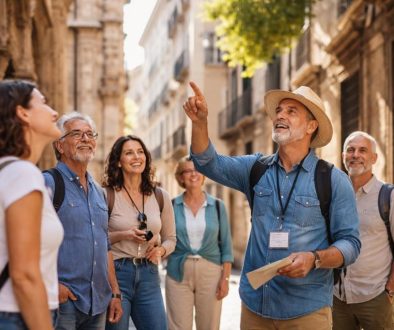
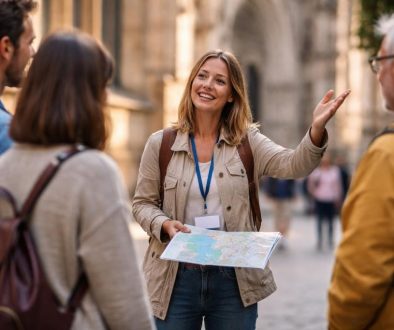
The difference between wandering aimlessly and experiencing purposeful discovery often comes down to expert guidance. An archipelago tour with guide provides structured exploration that maximizes your time while minimizing stress and uncertainty.
Professional guides bring layers of knowledge that transform landscapes into stories. They explain geological formations, share historical context about settlements, and point out wildlife behaviors you might otherwise overlook. This expertise becomes particularly valuable in archipelago environments where navigation challenges, weather patterns, and tidal considerations require specialized knowledge.
Key benefits of guided archipelago exploration include:
- Access to restricted or lesser-known islands
- Safety protocols for weather changes and maritime conditions
- Historical and cultural context for each location
- Optimized routing to maximize experiences
- Local insights into best dining, photography spots, and seasonal highlights
The personalized nature of these tours means your interests drive the itinerary. A guided archipelago tour can focus on photography, wildlife observation, historical sites, or culinary experiences based on your group's preferences.

Planning Your Archipelago Adventure
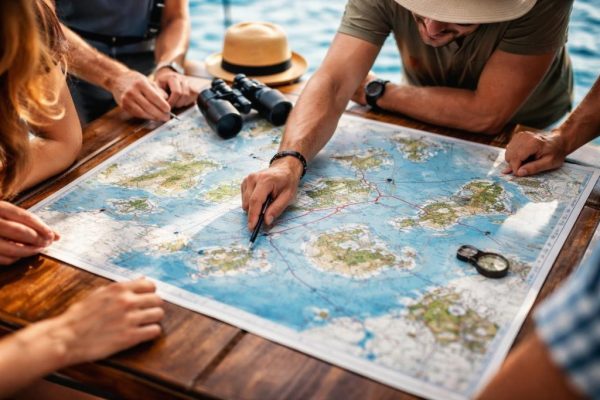
Successful archipelago exploration begins long before you step aboard a boat. Understanding seasonal variations, weather patterns, and logistical considerations ensures your tour delivers maximum value and enjoyment.
Seasonal Considerations
Timing significantly impacts your archipelago experience. Summer months (June through August) offer extended daylight hours, warmer temperatures, and calmer seas, making them ideal for comprehensive exploration. Spring and autumn provide fewer crowds and unique wildlife viewing opportunities, though weather variability increases.
Winter archipelago tours present entirely different experiences. Ice formations create stunning landscapes, and some regions offer specialized tours focused on winter phenomena. However, accessibility to certain islands becomes limited, and tour options narrow considerably.
Group Size and Composition
An archipelago tour with guide works best when group size aligns with experience goals. Smaller groups (4-8 people) enable more flexibility, personalized attention, and access to locations unsuitable for larger vessels. Larger groups may sacrifice some intimacy but often benefit from enhanced social dynamics and potentially lower per-person costs.
Consider your group's physical capabilities when planning. Some tours involve moderate hiking, kayaking, or navigation across uneven terrain. Quality tour operators like Adding:tours excel at matching activity levels to participant abilities, ensuring everyone enjoys the experience safely.
| Tour Aspect | Small Group (2-8) | Medium Group (9-15) | Large Group (16+) |
|---|---|---|---|
| Flexibility | High – easy route adjustments | Moderate – some customization | Limited – fixed itinerary |
| Personal Attention | Extensive guide interaction | Balanced attention | Less individual focus |
| Island Access | Remote locations possible | Accessible islands only | Main attractions only |
| Social Dynamic | Intimate, family-like | Balanced interaction | Diverse perspectives |
Essential Preparation Steps
Proper preparation enhances safety and enjoyment. Review practical travel tips applicable to archipelago environments, including hydration strategies, sun protection, and appropriate clothing layers.
Pre-tour checklist:
- Confirm weather forecasts and pack accordingly
- Bring motion sickness remedies if prone to seasickness
- Pack waterproof protection for electronics and valuables
- Wear appropriate footwear for boat decks and island terrain
- Prepare questions for your guide about specific interests
Understanding health and safety precautions helps you prepare mentally and physically for the maritime environment's unique demands.
What to Expect During Your Tour
The structure of an archipelago tour with guide varies by region and operator, but certain elements remain consistent across quality experiences. Understanding these components helps set realistic expectations and maximizes your engagement.
Departure and Initial Briefing
Tours typically begin at designated marina locations with safety briefings covering emergency protocols, equipment usage, and behavioral guidelines. Your guide introduces the day's route, highlighting anticipated stops and special features you'll encounter.
This orientation period establishes the tour's rhythm and provides opportunity to communicate any special needs or interests. Professional guides adjust their commentary style based on group preferences, balancing educational content with relaxed conversation.
Island Stops and Guided Exploration
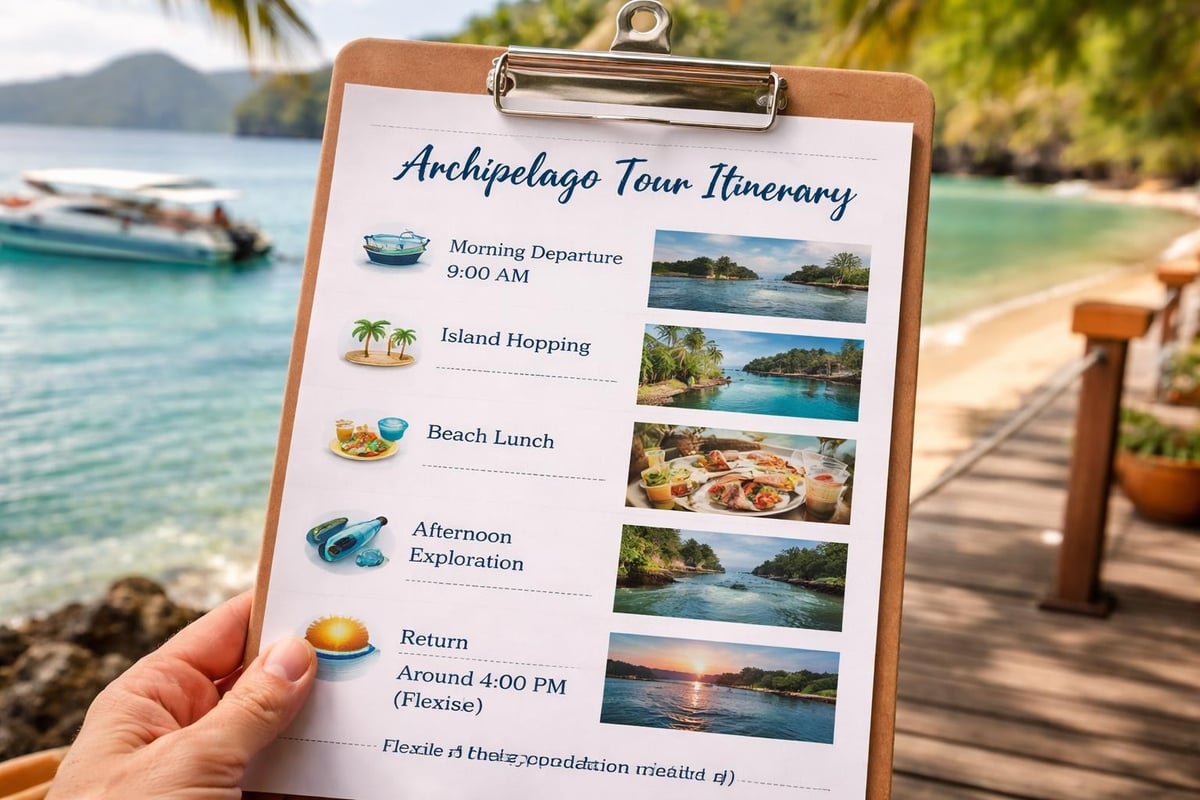
The archipelago boat tour experience combines water-based travel with land exploration. Each island stop offers distinct characteristics, from rocky outcrops with lighthouse histories to forested isles with hiking trails and cultural landmarks.
Guides typically provide 15-45 minutes at each location, depending on the site's significance and available activities. They share stories connecting past to present, explain architectural features of historic buildings, and identify native flora and fauna.
Onboard Experience
Transit time between islands becomes as valuable as the destinations themselves. Guides use these periods for deeper discussions, answering questions, and pointing out features visible only from water. Many tours include traditional refreshments, such as the Swedish "fika" coffee break, creating social bonding opportunities.
The detailed route highlights show how professional operators structure these water-based segments to maintain engagement while allowing for relaxation and photography.
Maximizing Your Guided Experience
Active participation transforms good tours into exceptional ones. Your guide possesses extensive knowledge, but extracting maximum value requires engagement and preparation on your part.
Engaging with Your Guide
Professional guides appreciate curious participants who ask thoughtful questions. Don't hesitate to inquire about topics beyond the standard commentary. Questions about local life, environmental challenges, economic changes, or personal recommendations for restaurants demonstrate genuine interest that guides enthusiastically reward with deeper insights.
Effective engagement strategies:
- Share your specific interests early in the tour
- Ask for photography recommendations and timing
- Request stories about personal experiences in the archipelago
- Inquire about seasonal changes and return visit timing
- Discuss conservation efforts and environmental concerns
Photography and Documentation
Archipelago environments offer spectacular photography opportunities, but timing and positioning matter significantly. Your guide knows optimal viewpoints, lighting conditions, and moments when landmarks appear most photogenic.
Request brief stops for photography at key locations. Professional guides build flexibility into schedules specifically for these purposes. They can also provide historical context that transforms simple landscape photos into meaningful documentation of your journey.
Cultural Immersion Opportunities
An archipelago tour with guide creates chances for authentic cultural experiences that independent travelers rarely access. Guides facilitate interactions with island residents, arrange visits to working fishing operations, or coordinate traditional meal experiences at family-owned establishments.
These moments require openness and flexibility. Embrace unexpected opportunities when they arise, even if they deviate from planned schedules. The most memorable tour experiences often stem from spontaneous interactions rather than scripted stops.
Safety and Environmental Responsibility
Maritime environments present unique safety considerations that professional guides manage through experience and preparation. Understanding these aspects helps you contribute to safe, responsible exploration.
Maritime Safety Protocols
Weather conditions change rapidly in archipelago settings. Guides monitor forecasts continuously and adjust routes as needed. They maintain communication equipment, emergency supplies, and first aid capabilities as standard practice.
Your role involves following instructions regarding life jacket usage, movement on vessels, and behavior during docking procedures. Safety considerations applicable to island-hopping environments emphasize the importance of staying hydrated, using sun protection, and communicating any physical concerns immediately.
Environmental Stewardship
Responsible archipelago exploration minimizes environmental impact while maximizing appreciation. Guides educate participants about fragile ecosystems, proper waste disposal, and respectful wildlife observation distances.
Environmental best practices:
- Carry out all waste, including biodegradable items
- Maintain respectful distances from nesting birds and marine mammals
- Stay on designated paths to prevent erosion and habitat damage
- Avoid disturbing historical sites or removing natural objects
- Support local conservation initiatives through responsible tourism choices
Many archipelago regions face environmental pressures from tourism, climate change, and development. The Stockholm Archipelago Trail provides infrastructure supporting sustainable exploration, including designated camping areas and waste management systems.
Specialized Archipelago Tour Options
Beyond standard sightseeing, specialized tours cater to specific interests and activity preferences. These focused experiences provide deeper engagement with particular aspects of archipelago culture and environment.
Adventure and Activity-Based Tours
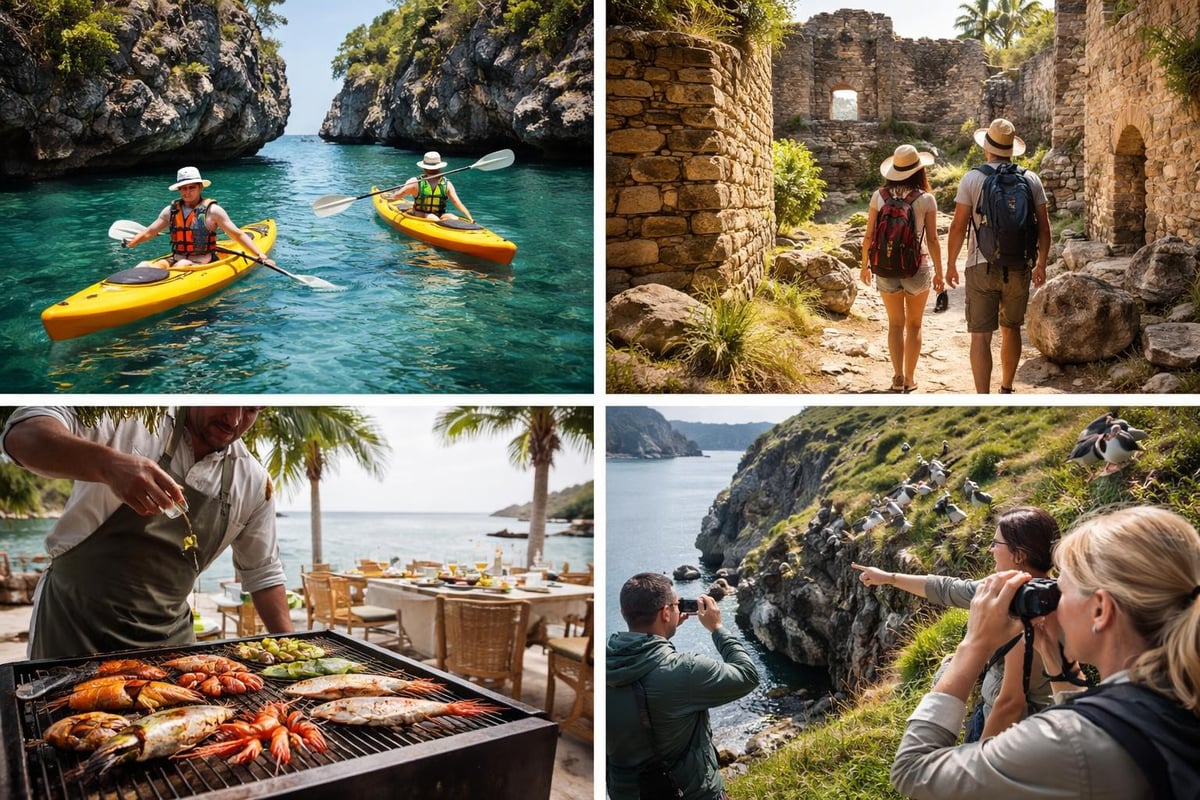
Active travelers appreciate archipelago tours incorporating kayaking, hiking, or snorkeling. These experiences provide intimate connections with island environments that larger vessel tours cannot replicate. Guides with specialized certifications lead these activities safely while sharing ecological knowledge.
Physical activity levels vary significantly across tour types. Clearly communicate your fitness level and experience with activities like kayaking when booking to ensure appropriate matching.
Cultural and Historical Focus
History enthusiasts benefit from tours emphasizing archipelago settlement patterns, maritime traditions, and architectural heritage. Guides with historical expertise provide context about island communities' evolution, explaining how geography shaped culture and economy.
These tours often include museum visits, historic lighthouse tours, and meetings with multi-generational island families who share personal histories. The narrative depth rivals any documentary but includes sensory experiences and personal interactions no screen can replicate.
Culinary and Gastronomic Tours
Food-focused archipelago experiences combine island exploration with traditional cuisine sampling. Guides coordinate visits to smokehouses, family restaurants, and fishing operations where you learn about seafood preparation traditions while enjoying fresh catches.
These tours reveal how island geography influences cuisine, from preservation techniques developed for long winters to seasonal celebrations centered on specific harvests. Similar to the ABBA journey experience, combining exploration with shared meals creates social bonding that enhances the overall experience.
Selecting the Right Tour Operator
Quality varies significantly among archipelago tour providers. Selecting operators who prioritize safety, environmental responsibility, and authentic experiences ensures your investment delivers meaningful returns.
Evaluation Criteria
Research potential operators thoroughly before booking. Review their safety records, guide qualifications, and environmental policies. Established operators maintain proper insurance, regularly inspected vessels, and guides with relevant certifications and local knowledge.
Key selection factors:
| Criterion | What to Look For | Red Flags |
|---|---|---|
| Guide Qualifications | Maritime licenses, first aid certification, local expertise | Vague credentials, no safety training |
| Group Size Policies | Clear maximums, appropriate vessel capacity | Overcrowding, unlimited bookings |
| Customization Options | Flexible itineraries, interest-based adjustments | Rigid schedules, no modifications |
| Environmental Practices | Conservation partnerships, waste management plans | No environmental policies mentioned |
| Communication | Responsive, detailed pre-tour information | Delayed responses, minimal details |
Reading Reviews and Testimonials
Past participant experiences provide valuable insights into operator quality. Look for specific details in reviews rather than generic praise. Comments about guide knowledge, route selection, and problem-solving during unexpected situations reveal operational competence.
Pay attention to how operators respond to criticism. Professional companies address concerns constructively and demonstrate commitment to continuous improvement.
Understanding Value Versus Cost
Price alone poorly indicates tour quality. The cheapest options often compromise on safety equipment, guide expertise, or vessel maintenance. Conversely, premium pricing should correspond to enhanced experiences, whether through smaller groups, exclusive access, or specialized expertise.
Quality operators like those offering professional tour guide services invest in ongoing guide training, vessel maintenance, and relationship development with island communities that enhance guest experiences significantly.
Extending Your Archipelago Experience
For many visitors, a single archipelago tour with guide sparks desire for deeper exploration. Several approaches extend and enrich your engagement with these remarkable island systems.
Multi-Day Expeditions
Extended tours allow progression through archipelago regions at relaxed paces, with overnight stays on various islands. These experiences reveal how island character changes with different lighting, tides, and times of day. Evening programs might include traditional music, storytelling, or astronomy sessions impossible during day trips.
Accommodation varies from comfortable island hotels to rustic cabins or even boat-based sleeping arrangements. Discuss preferences with operators when planning to ensure alignment with your comfort requirements.
Seasonal Return Visits
Archipelagos transform dramatically across seasons. Winter ice formations contrast starkly with summer's lush greenery. Spring migration brings different bird species, while autumn colors paint forested islands in spectacular hues. Guides who work year-round provide unique perspectives on these seasonal transitions.
Planning return visits during different seasons creates comprehensive understanding of archipelago life cycles and natural rhythms. Many operators offer loyalty benefits for repeat customers.
Independent Follow-Up Exploration
Initial guided tours provide knowledge foundations for confident independent exploration. Guides often share recommendations for self-guided routes, accessible islands, and local resources that support autonomous adventures.
The comprehensive Stockholm guided tour experience introduces navigation basics, safety considerations, and cultural protocols that enable subsequent independent travel with appropriate confidence and respect.
Integration with Broader Travel Itineraries
Archipelago tours complement urban exploration and cultural tourism, creating balanced travel experiences that combine city energy with natural tranquility. Strategic integration maximizes both logistical efficiency and experiential diversity.
Combining City and Island Exploration
Stockholm exemplifies perfect archipelago-city synergy. Morning Stockholm old town walking tours immerse you in medieval history and urban culture, while afternoon archipelago excursions provide refreshing natural contrasts. This combination prevents either museum fatigue or nature oversaturation.
Operators specializing in both urban and archipelago experiences, such as those offering tailored tours, create seamless transitions between environments. They coordinate timing, manage logistics, and ensure thematic connections between experiences.
Building Multi-Destination Itineraries
Coastal regions often feature multiple archipelago systems accessible from different cities. A Swedish coastal journey might include archipelago tours from Stockholm, Gothenburg, and smaller coastal towns, each revealing distinct geological and cultural characteristics.
Professional travel planning services help sequence these experiences logically, managing transportation between locations and ensuring appropriate pacing that prevents exhaustion while maintaining momentum.
Thematic Journey Development
Some travelers build entire trips around specific themes-maritime history, wildlife photography, literary locations, or culinary traditions. An archipelago tour with guide serves as the anchor for these focused journeys, with guides connecting water-based exploration to related mainland experiences.
For instance, music enthusiasts might combine archipelago tours with city-based musical heritage sites, creating comprehensive cultural narratives that span both environments.
An archipelago tour with guide represents far more than simple sightseeing-it's an investment in meaningful discovery, authentic cultural connection, and safe exploration of remarkable natural environments. The right guide transforms scattered islands into cohesive narratives while ensuring your comfort, safety, and engagement throughout the journey. Whether you're planning your first archipelago adventure or seeking to deepen your relationship with Stockholm's stunning island landscape, Adding:tours specializes in creating personalized experiences for private groups that reveal the true character of these exceptional destinations through expert local knowledge and genuine passion for sharing Sweden's maritime heritage.