City Sights: Expert Guide to Urban Exploration in 2026
Exploring city sights has evolved dramatically in recent years, transforming from simple sightseeing into immersive cultural experiences that connect visitors with the authentic soul of urban destinations. Modern travelers seek more than just photo opportunities at famous landmarks; they want meaningful encounters with local history, culture, and stories that bring city streets to life. Whether you're planning your first urban adventure or seeking fresh perspectives on familiar destinations, understanding how to maximize your city exploration can transform an ordinary trip into an extraordinary journey.
The Evolution of Urban Sightseeing
The way we experience city sights has undergone significant transformation over the past decade. Traditional bus tours and rushed itineraries have given way to personalized, small-group experiences that prioritize depth over breadth. This shift reflects broader changes in how tourism influences urban environments and local communities.
Research shows that tourism-driven urban transformation significantly impacts both the physical landscape and social fabric of cities. This evolution has prompted tour operators to develop more sustainable approaches that benefit both visitors and local residents.
Understanding Modern Urban Tourism
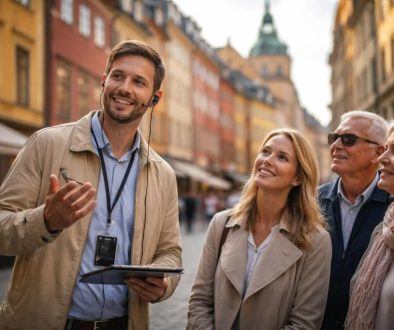
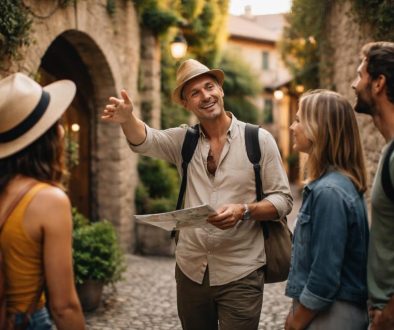
Today's travelers demand experiences that feel authentic rather than staged. They want to walk the same streets as locals, discover hidden courtyards, and hear stories that don't appear in guidebooks. This desire has shaped how professional tour guide services approach their craft.
Key characteristics of modern city exploration include:
- Small group sizes that allow for personalized attention
- Native guides who share insider knowledge and local perspectives
- Flexible itineraries that adapt to group interests
- Focus on neighborhood character and cultural context
- Integration of historical narratives with contemporary urban life

Essential Categories of City Sights
Urban destinations offer diverse categories of attractions, each providing unique insights into a city's character. Understanding these categories helps visitors plan balanced itineraries that capture multiple dimensions of urban life.
Historical and Architectural Landmarks
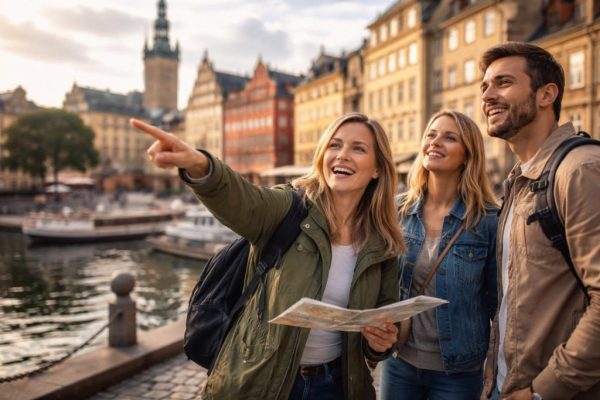
Historic districts form the cornerstone of most city sightseeing experiences. Stockholm's Old Town, for example, represents over 700 years of architectural evolution, with narrow medieval alleys opening onto Renaissance squares and Baroque palaces. These spaces tell stories through their buildings, cobblestones, and spatial arrangements.
The Royal Palace demonstrates this historical layering perfectly. Beyond its ceremonial significance, the changing of the guard ceremony connects modern visitors with centuries-old traditions. Stockholm walking tour experiences often center on these iconic locations while revealing lesser-known details that escape casual observation.
Cultural and Artistic Attractions
Museums, galleries, and performance venues represent concentrated expressions of urban culture. However, the most compelling cultural city sights often exist outside formal institutions. Street art, neighborhood theaters, local markets, and community gathering spaces reveal how residents create and consume culture daily.
| Attraction Type | Visitor Experience | Local Impact | Time Investment |
|---|---|---|---|
| Major Museums | Curated collections | Economic benefit | 2-4 hours |
| Street Art | Spontaneous discovery | Community expression | 1-2 hours |
| Local Markets | Cultural immersion | Direct support | 1-3 hours |
| Performance Venues | Live interaction | Cultural preservation | 2-3 hours |
Literary and Film Locations
Cities featured in popular books and films have become destinations themselves. Stockholm gained international recognition through Stieg Larsson's Millennium trilogy, with readers eager to visit locations from "The Girl with the Dragon Tattoo." These literary landmarks add narrative layers to urban exploration, transforming ordinary streets into settings for beloved stories.
This phenomenon extends beyond fiction to music history. The ABBA story represents Stockholm's contribution to global pop culture, with dedicated experiences allowing fans to trace the group's journey from local acts to international superstars.
Maximizing Your City Sights Experience
Strategic planning transforms good city visits into exceptional ones. The difference lies not in seeing more attractions but in experiencing them more deeply and authentically.
Choosing the Right Guide
The quality of your city sights experience depends heavily on your guide's knowledge, communication skills, and passion for their city. Native English-speaking guides offer particular advantages for international visitors, eliminating language barriers and enabling nuanced cultural explanations.
Questions to evaluate potential guides:
- How long have they lived in the city?
- What unique access or insider knowledge do they offer?
- Do they customize tours based on group interests?
- What size groups do they typically lead?
- Can they provide references from previous guests?
Research indicates that sustainable urban tourism requires balancing visitor satisfaction with community well-being. Professional guides play crucial roles in this balance, helping tourists understand and respect local norms while accessing authentic experiences.
Timing and Seasonality
When you visit city sights matters as much as which ones you choose. Early morning hours offer quieter experiences at popular landmarks, while golden hour provides ideal lighting for photography and atmospheric strolls. Seasonal variations affect not just weather but also local life rhythms and available activities.
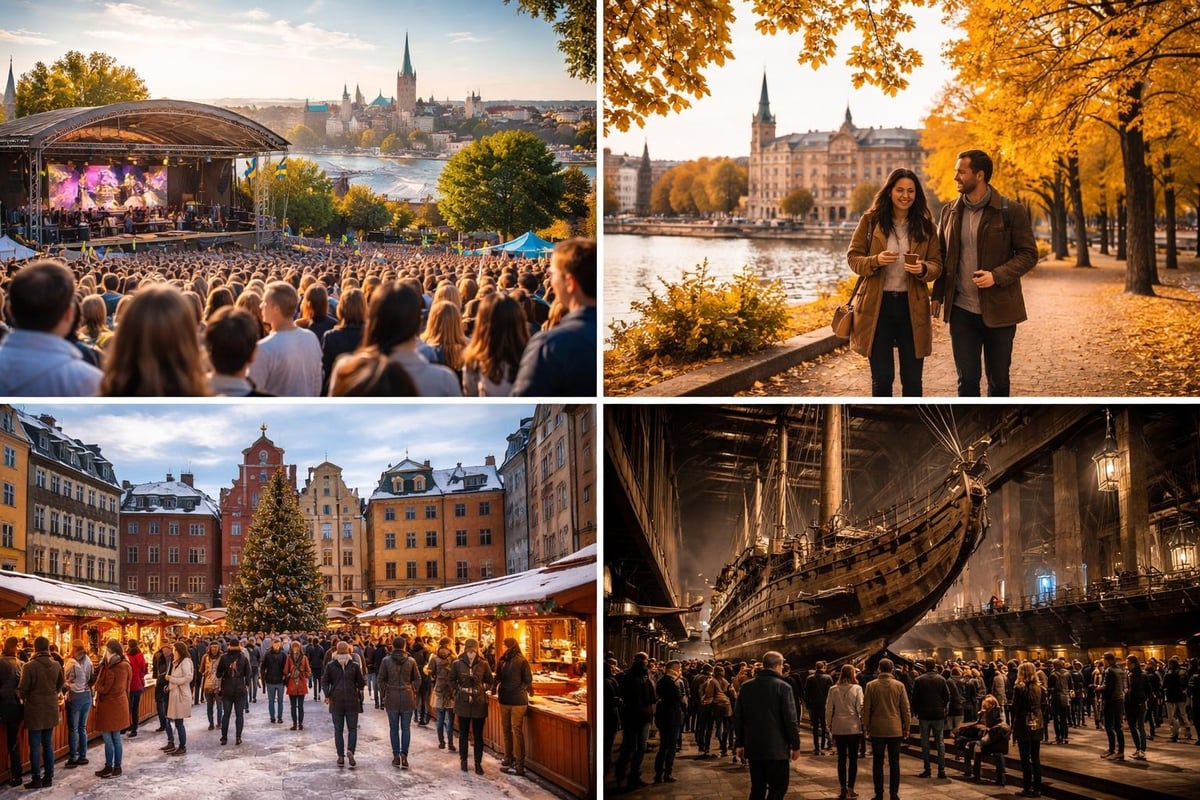
Spring and early autumn represent optimal windows for many European cities, combining comfortable weather with fewer crowds than peak summer months. However, winter visits offer unique advantages: holiday markets, dramatic lighting, and opportunities to experience city life as residents do during colder months.
Personalization and Small Group Benefits
The shift toward personalized, small-group exploration reflects fundamental changes in what travelers value. Mass tourism often prioritizes efficiency and volume, while intimate experiences emphasize quality and connection.
Tailoring Experiences to Group Interests
Every group brings different interests, energy levels, and curiosity points. Tailored tours recognize this diversity by creating flexible frameworks that adapt to participant preferences. A family with young children explores differently than retired couples or corporate team-building groups.
Customization might involve:
- Pacing adjustments based on group mobility and stamina
- Theme emphasis aligning with particular interests (architecture, food, history, art)
- Depth versus breadth decisions about covering more ground or exploring fewer sites thoroughly
- Interactive elements incorporating hands-on activities or discussion periods
- Special access arrangements for behind-the-scenes or off-hours visits
Building Connections Through Shared Experiences
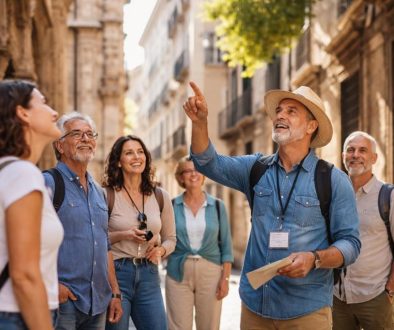
Small group sizes facilitate meaningful interactions both among participants and with local environments. Six to eight people can have conversations while walking; forty cannot. This intimacy transforms sightseeing from passive observation into active engagement.
Guided vacations designed for small gatherings create opportunities for solo travelers to connect with like-minded explorers while maintaining the flexibility and attention impossible in large groups. These shared discoveries often evolve into lasting friendships and travel partnerships.
Integrating Technology with Traditional Exploration
Digital tools have revolutionized how we research, navigate, and document city sights, but technology works best when it enhances rather than replaces human guidance and spontaneous discovery.
Digital Footprints and Urban Tourism
Studies analyzing tourists’ digital footprints in cities reveal fascinating patterns about how visitors move through and experience urban spaces. This data helps tour operators optimize routes, identify overlooked attractions, and understand seasonal crowd dynamics.
However, the most memorable city sights experiences often happen when travelers disconnect from devices and engage fully with their surroundings. Professional guides facilitate this presence by handling logistics and navigation, freeing participants to observe, question, and absorb.
Collaborative Resources and Local Insights
Platforms like Wikivoyage provide valuable planning resources, offering collaboratively written articles on destinations worldwide. Similarly, Spotted by Locals curates recommendations from residents across dozens of cities.
These resources complement but don't replace local expertise. Reading about a hidden courtyard differs vastly from having a longtime resident explain its historical significance while you stand within its walls. The combination of pre-trip research and in-person guidance creates the richest understanding.
Specialized Thematic Tours
Thematic approaches to city sights provide focused frameworks for exploration, appealing to visitors with specific interests or returning travelers seeking fresh perspectives on familiar destinations.
Literary and Pop Culture Tourism
Following fictional characters through real streets creates unique engagement with urban environments. The Millennium trilogy transformed Stockholm neighborhoods into pilgrimage sites for crime fiction enthusiasts. These literary tours blend fact and fiction, revealing how authors draw from actual locations while constructing imaginary narratives.
Music heritage represents another powerful thematic thread. The ABBA journey from Stockholm to Viggsö combines sightseeing with culinary experiences and opportunities to connect with fellow fans from around the world. These specialized experiences attract passionate communities united by shared interests.
Architectural and Design Focus
Cities reveal their evolution through architectural styles layering across centuries. Stockholm city tour experiences emphasizing design showcase everything from medieval foundations to modernist innovations, illustrating how building styles reflect changing technologies, values, and aesthetic sensibilities.
Architectural tour elements:
- Period identification skills for recognizing different eras
- Material understanding of local building traditions
- Spatial analysis of how buildings relate to streets and squares
- Restoration stories about preservation challenges and solutions
- Contemporary interventions showing modern additions to historic contexts
Balancing Popular and Hidden City Sights
Every city contains both must-see landmarks and overlooked treasures. Optimal itineraries balance these elements, providing context through famous sites while delivering discovery through lesser-known locations.
Strategic Landmark Visits
Major attractions deserve their reputations but require strategic approaches to avoid crowds and superficial experiences. Early access, off-peak timing, and knowledgeable interpretation transform obligatory stops into genuine highlights.
The key lies not in skipping popular city sights but in experiencing them thoughtfully. Understanding the stories behind landmarks, recognizing architectural details, and connecting sites to broader historical narratives creates engagement beyond photography and checklist completion.
| Sight Type | Advantages | Challenges | Best Approach |
|---|---|---|---|
| Major Landmarks | Iconic, well-maintained | Crowded, commercialized | Early or late visits with expert guide |
| Hidden Gems | Authentic, uncrowded | Hard to find, less information | Local insider access |
| Neighborhoods | Cultural immersion | Time-intensive | Walking tours with resident guide |
| Themed Routes | Focused learning | May miss diversity | Combine with overview tour |
Discovering Authentic Neighborhoods
Beyond central tourist zones, residential neighborhoods reveal daily urban life. Markets where locals shop, parks where families gather, and cafes serving regulars rather than tourists provide windows into authentic city culture.
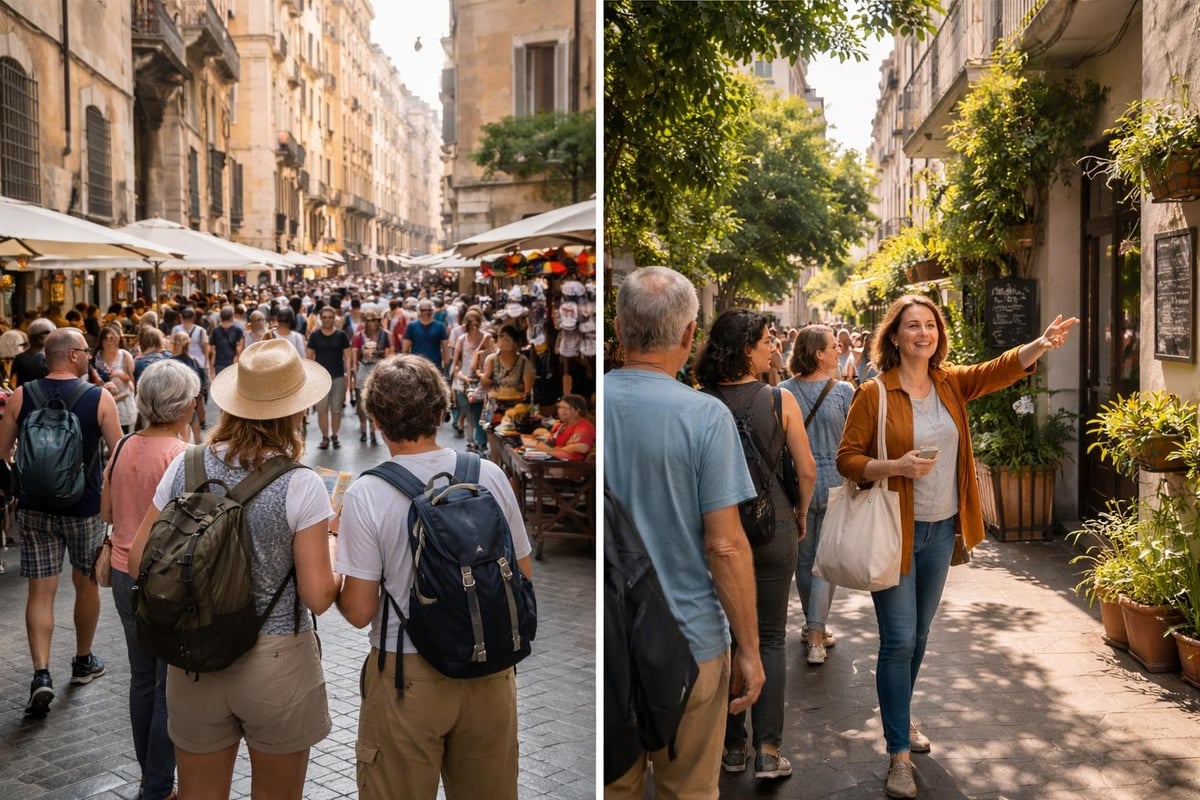
City sightseeing Stockholm experiences that venture into residential areas like Södermalm or Östermalm demonstrate this principle, showing how Stockholmers actually live alongside where they showcase their city to visitors.
Creating Lasting Memories Beyond Photographs
While documenting city sights through photography provides valuable souvenirs, the most enduring memories often come from sensory experiences and human connections that cameras cannot capture.
Engaging All Senses
Urban exploration engages sight most obviously, but complete experiences incorporate all senses. The aroma of fresh pastries from a historic bakery, the echo of footsteps in narrow alleys, the texture of ancient stone walls, the taste of local specialties-these sensory details create rich, lasting impressions.
Professional guides understand this multisensory dimension, selecting routes that maximize diverse engagements and pausing at locations where visitors can absorb atmospheric qualities beyond visual appeal.
Stories That Bring Streets to Life
Facts about construction dates and architectural styles provide intellectual frameworks, but stories create emotional connections. Learning about the craftsmen who built medieval structures, the residents who survived historical upheavals, or the artists who transformed forgotten spaces into cultural landmarks makes city sights personally meaningful.
Native guides excel at sharing these narratives because they draw from deep wells of local knowledge, family histories, and community memories. Their stories often include personal anecdotes that guidebooks cannot replicate, creating unique experiences even at well-documented landmarks.
Sustainable and Responsible Urban Tourism
As cities grapple with tourism's impacts, visitors bear responsibility for exploring respectfully and sustainably. Understanding how tourism affects urban communities helps travelers make choices that benefit rather than burden destinations.
Community-Centered Approaches
Networked social capital models for urban community-based tourism emphasize inclusive engagement and collaborative networks. This framework recognizes that successful urban tourism requires balancing visitor needs with resident quality of life.
Practical applications include:
- Supporting locally owned businesses and restaurants
- Respecting residential areas and noise levels
- Following local customs and social norms
- Choosing tour operators who employ resident guides
- Visiting during shoulder seasons to reduce peak-time pressure
Educational Dimensions of Sightseeing
Viewing city sights as educational opportunities rather than entertainment checkpoints elevates the entire experience. Each landmark, neighborhood, and cultural practice offers lessons about history, sociology, architecture, politics, and human creativity.
Cultural tour experiences emphasizing this educational dimension attract thoughtful travelers seeking understanding rather than just photo opportunities. This approach aligns with sustainable tourism principles by fostering appreciation and respect for visited communities.
Planning Your Ideal City Sights Journey
Successful urban exploration requires thoughtful preparation balanced with flexibility for spontaneous discoveries. The planning process itself enhances anticipation and helps travelers articulate their interests and priorities.
Pre-Visit Research and Preparation
Understanding basic city geography, historical context, and cultural norms before arrival maximizes on-ground time and enables more sophisticated questions and observations. However, avoid over-planning that eliminates spontaneity and discovery.
Essential pre-visit steps:
- Research major historical events and cultural context
- Identify must-see landmarks and potential hidden gems
- Learn basic local phrases and cultural etiquette
- Review seasonal considerations and weather patterns
- Book specialized tours or experiences requiring advance reservations
- Connect with tour operators offering English tours if language is a consideration
Building Flexible Itineraries
The best city sights itineraries provide structure without rigidity, allowing time for unexpected discoveries while ensuring key experiences happen. Professional tour operators excel at creating this balance, handling logistics while maintaining adaptability.
Private group tours offer maximum flexibility, adjusting pace, focus, and routing based on real-time interests and energy levels. This responsiveness transforms potentially frustrating situations (unexpected closures, weather changes, fatigue) into opportunities for alternative experiences.
The Human Element in Urban Exploration
Technology, research, and planning all contribute to successful city visits, but human connections ultimately determine experience quality. Interactions with guides, local residents, and fellow travelers create memories that outlast any landmark visit.
The Guide-Visitor Relationship
Exceptional guides function as cultural translators, helping visitors understand not just what they see but why it matters. This relationship works best when travelers arrive curious and open-minded, ready to engage with perspectives that might challenge preconceptions.
The most rewarding city sights experiences emerge from collaborative exploration where guides share expertise while remaining responsive to visitor questions and interests. This dynamic exchange creates learning experiences impossible through self-guided exploration or scripted tours.
Fellow Travelers and Shared Discovery
Small group tourism creates communities of discovery where participants learn from each other's observations and questions. Different backgrounds and perspectives enrich collective understanding, as each person notices and wonders about different details.
Solo walking holidays designed for individual travelers provide structured opportunities to connect with others while maintaining independence. These experiences combine the best aspects of solo and group travel, offering companionship without compromising personal preferences.
Exploring city sights transforms from tourist obligation to genuine adventure when approached with curiosity, respect, and expert guidance. The urban landscape holds infinite stories waiting for discovery by those willing to look beyond surface appearances and engage deeply with place and culture. Whether you're planning your first visit to Stockholm or seeking fresh perspectives on this remarkable city, Adding:tours specializes in personalized, small-group experiences that reveal the authentic character of Stockholm's historic streets, cultural landmarks, and hidden treasures through the eyes of passionate local guides.