Licensed Tour Guide: Your Key to Exceptional Travel
Choosing the right guide can transform an ordinary vacation into an extraordinary journey filled with authentic insights and memorable moments. A licensed tour guide brings verified expertise, professional standards, and quality assurance that elevates every aspect of your exploration. Whether you're planning a literary walk through Stockholm's historic streets or an immersive cultural experience, understanding what sets certified professionals apart helps ensure your investment in guided experiences delivers exceptional value and lasting memories.
What Defines a Licensed Tour Guide
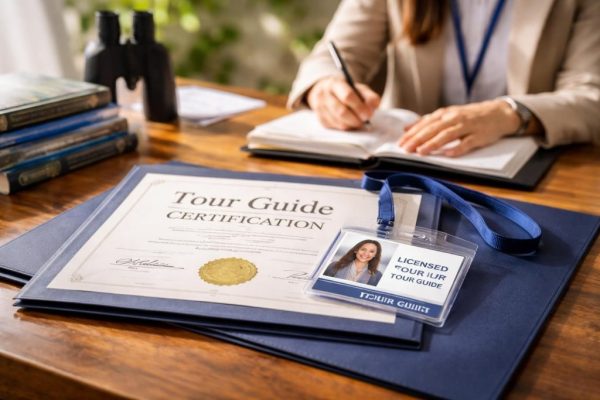
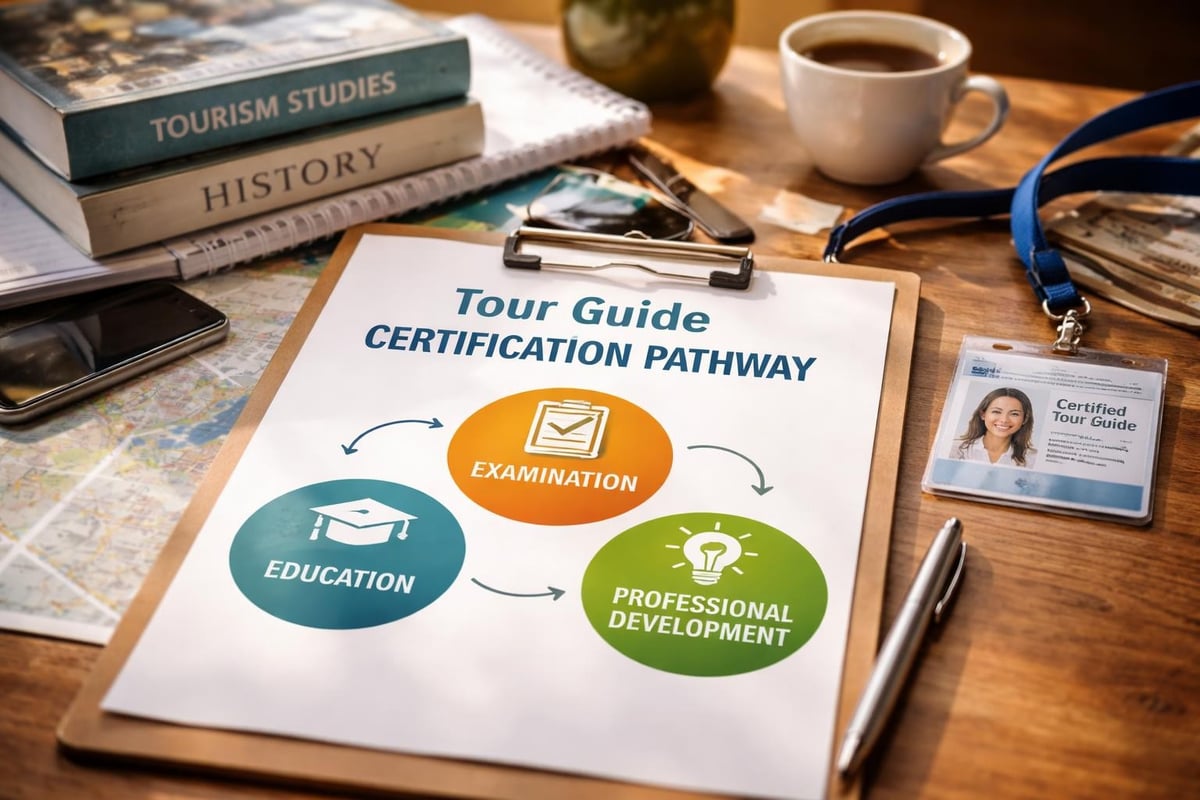
A licensed tour guide is a professional who has completed formal training, passed rigorous examinations, and received official certification from recognized tourism authorities or professional organizations. These credentials distinguish them from casual tour operators or unlicensed individuals who may lack comprehensive knowledge and accountability.
The licensing process varies significantly across different regions and countries. Some destinations require extensive historical knowledge, language proficiency tests, and first aid certification before granting licenses. Others mandate ongoing professional development to maintain active status. This structured approach ensures that visitors receive accurate information from knowledgeable professionals who uphold industry standards.
Professional Qualifications and Standards
Licensed guides typically undergo comprehensive training programs that cover multiple disciplines. Their education extends far beyond basic facts about tourist attractions to include communication techniques, safety protocols, and cultural sensitivity.
Core competencies for licensed guides include:
- Deep historical and cultural knowledge of their region
- Professional presentation and storytelling abilities
- Emergency response and safety management
- Language skills with tourism-specific vocabulary
- Customer service excellence and conflict resolution
- Legal compliance and ethical business practices
The benefits of professional tour guide accreditation provide national recognition and competitive advantages in the employment market, as outlined in established certification programs. These credentials demonstrate commitment to excellence and adherence to professional standards that protect both guides and their clients.
Why Licensing Matters for Your Experience
The difference between a licensed and unlicensed guide extends far beyond paperwork. Professional certification directly impacts the quality, safety, and authenticity of your touring experience in measurable ways.
When you book with a properly credentialed professional, you gain access to verified expertise. These guides have demonstrated their knowledge through formal testing and maintain their skills through continuing education. They understand the nuances of local history, can answer complex questions accurately, and provide context that enriches every location you visit.
Safety and Liability Protection
Licensed professionals carry appropriate insurance coverage and understand legal responsibilities toward their clients. This protection proves invaluable if unexpected situations arise during your tour.
| Aspect | Licensed Guide | Unlicensed Guide |
|---|---|---|
| Professional Insurance | Required | Often absent |
| Safety Training | Mandatory | Inconsistent |
| Legal Accountability | High | Limited |
| Quality Standards | Regulated | Unverified |
| Continuing Education | Required | Voluntary |
Many professional organizations, such as the Guides Association of New York City, provide liability insurance and professional development opportunities for their members. These resources ensure guides remain current with best practices and maintain high service standards.
The Certification Process Across Different Regions
Licensing requirements reflect the unique characteristics and priorities of each destination. Some cities emphasize historical accuracy, while others prioritize language skills or specialized knowledge areas.
European Standards and Expectations
European cities often implement stringent licensing programs. In Paris, for example, tour guides must complete comprehensive education and obtain state-issued licenses that verify their expertise in art, history, and architecture. These programs can take months or even years to complete, ensuring guides possess deep knowledge before they begin working professionally.
Stockholm maintains its own professional standards for guides, particularly those offering specialized experiences like Stockholm walking tours through historic districts. The Swedish approach balances formal education with practical experience, creating professionals who understand both facts and storytelling.
Key elements of European licensing include:
- Comprehensive written examinations covering local history
- Practical demonstrations of guiding techniques
- Language proficiency verification
- Cultural heritage preservation training
- Ongoing professional development requirements

International Variations in Requirements
The debate about whether guides should be licensed continues globally. A National Geographic article on tour guide licensing explores arguments for and against regulation, highlighting how different approaches affect tourism quality and accessibility.
Some regions adopt voluntary certification systems that encourage professional development without mandating licenses. Others enforce strict regulatory frameworks with penalties for operating without proper credentials. Understanding these differences helps travelers make informed decisions when selecting guided experiences.
Choosing the Right Licensed Professional
Not all licensed guides offer the same specializations or expertise. Matching your interests with a guide's particular strengths ensures a more satisfying experience.
When researching potential guides, consider their specific credentials and areas of focus. A guide certified for general city tours may lack the specialized knowledge needed for niche interests like literary tourism or music history. Look for professionals who demonstrate passion for your specific interests.
Questions to Ask Before Booking
Verifying a guide's credentials protects your investment and sets appropriate expectations. Direct communication reveals professionalism and helps establish rapport before your tour begins.
- What specific licenses or certifications do you hold?
- How long have you been guiding professionally in this location?
- What specialized knowledge areas do you offer?
- Can you provide references from previous clients?
- What safety protocols and insurance coverage do you maintain?
- How do you customize tours for different group sizes and interests?
Services like Adding:tours emphasize transparency about their guides' qualifications and specializations. This openness builds trust and helps clients select experiences aligned with their interests and expectations.
Specialized Expertise and Niche Knowledge
The most memorable tours come from guides who bring specialized expertise to specific subjects. While general knowledge provides foundation, deep dives into particular topics create truly unique experiences.
Licensed professionals often pursue additional certifications in specialized areas beyond basic licensing requirements. These focused credentials allow them to offer experiences that casual guides cannot replicate. Whether exploring literary landmarks, architectural movements, or musical heritage, specialized knowledge transforms standard sightseeing into meaningful education.
Literary and Cultural Specializations
Stockholm offers rich opportunities for themed experiences led by experts in specific subjects. Guides who specialize in Old Town walking tours understand the architectural evolution of medieval streets and can explain how historical events shaped modern districts.
Literary enthusiasts benefit from guides who combine location knowledge with deep understanding of authors and their works. Following Stieg Larsson's footsteps requires more than knowing addresses from "The Girl with the Dragon Tattoo." Expert guides provide context about Swedish crime fiction, the author's journalism career, and how Stockholm's geography influenced his storytelling.
Benefits of specialized guides:
- Deeper engagement with subjects you're passionate about
- Connections between locations and their broader cultural significance
- Behind-the-scenes insights unavailable in guidebooks
- Opportunities to ask detailed questions and explore nuances
- More memorable experiences that resonate long after your trip
How Licensed Guides Enhance Group Experiences
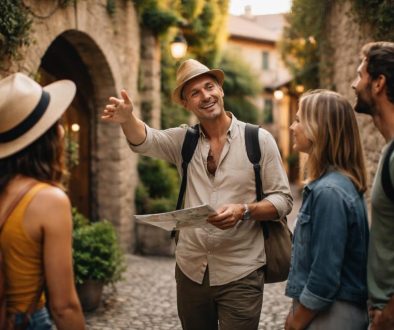
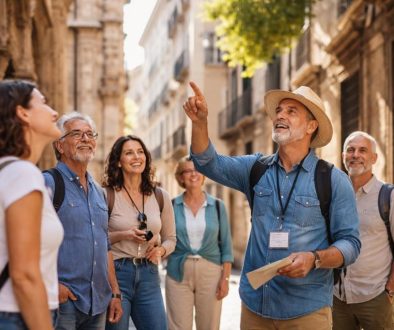
Private group tours require different skills than individual guiding. A licensed tour guide managing family gatherings, friend reunions, or corporate outings must balance diverse interests while maintaining cohesion and engagement throughout the experience.
Professional guides excel at reading group dynamics and adjusting their approach accordingly. They recognize when elderly participants need slower pacing, when children require interactive elements, and when corporate groups want networking opportunities alongside sightseeing.

Customization and Personalization
The true value of working with licensed professionals emerges in their ability to customize experiences. Rather than following rigid scripts, qualified guides adapt to group preferences, adjusting routes, timing, and focus areas based on real-time feedback.
| Tour Aspect | Standard Tour | Customized Tour with Licensed Guide |
|---|---|---|
| Route Flexibility | Fixed itinerary | Adjustable based on interests |
| Pacing | Predetermined schedule | Responsive to group energy |
| Content Depth | General overview | Deep dives into preferred topics |
| Interaction Style | Lecture format | Conversational and adaptive |
| Special Requests | Limited accommodation | Creative problem-solving |
This flexibility proves especially valuable for specialized experiences like an ABBA journey through Stockholm, where music enthusiasts want detailed stories about the band's history, recording locations, and cultural impact that casual guides might gloss over.
The Business Perspective: Working with Licensed Guides
Tour operators and tourism businesses benefit significantly from employing or partnering with licensed professionals. These credentials reduce liability, enhance reputation, and provide quality assurance that attracts discerning travelers.
Companies offering guided sightseeing tours build their reputations on guide quality. Licensed professionals bring credibility that translates into positive reviews, repeat bookings, and referrals. Their training in customer service and conflict resolution minimizes negative incidents that could damage business relationships.
Building Trust Through Credentials
Transparency about guide qualifications builds consumer confidence. When operators clearly communicate their guides' credentials, training, and specializations, potential clients feel more comfortable investing in premium experiences.
Professional associations provide additional credibility markers. Membership in recognized organizations signals commitment to ethical practices and ongoing improvement. These affiliations also offer networking opportunities that help guides stay current with industry trends and best practices.
Technology and Modern Guiding Practices
Licensed tour guides in 2026 integrate technology seamlessly into their services while maintaining the human connection that defines exceptional guiding. Digital tools enhance rather than replace the personal expertise that travelers value.
Modern guides use apps for real-time translation, historical photo overlays, and interactive maps that bring past eras to life. They maintain social media presence to share insights and build relationships with future clients. However, the core of their service remains personal interaction, storytelling, and adaptive responsiveness that technology cannot replicate.
Technology tools professional guides utilize:
- GPS-enabled route planning for optimal timing
- Digital storytelling platforms with historical images
- Weather monitoring for proactive schedule adjustments
- Mobile payment systems for seamless transactions
- Communication platforms for group coordination
- Review management systems for continuous improvement
The best guides understand that technology serves as an enhancement to expertise, not a replacement for it. Licensed professionals receive training in both traditional guiding techniques and modern digital tools, creating hybrid experiences that leverage both strengths.
Continuing Education and Professional Development
Licensing represents a starting point rather than a final destination in a guide's professional journey. The most accomplished professionals pursue ongoing education to expand knowledge, refine techniques, and stay current with evolving tourism trends.
Many licensing authorities require continuing education credits for license renewal. These programs cover emerging research in local history, new safety protocols, customer service innovations, and technological advancements. Guides who embrace lifelong learning provide fresher, more engaging experiences than those who rely solely on initial training.
Staying Current with Research and Discoveries
Historical understanding evolves as researchers uncover new information and reinterpret past events. Licensed guides committed to accuracy update their narratives to reflect current scholarship rather than perpetuating outdated interpretations.
Archaeological discoveries, archival research, and historical reanalysis regularly reshape our understanding of places and events. Professional guides monitor these developments and incorporate new insights into their tours, ensuring clients receive the most accurate information available.
The Economic Impact of Professional Guiding
Licensed tour guides contribute significantly to local economies beyond their direct services. Their expertise encourages longer visits, higher spending, and return trips as satisfied travelers share positive experiences with others.
Research consistently shows that guided experiences increase visitor satisfaction and spending across multiple categories. Travelers who engage licensed guides typically visit more attractions, dine at recommended restaurants, and purchase local products based on expert recommendations. This multiplier effect benefits entire communities, not just individual tour operators.
The professionalization of guiding through licensing creates career pathways that attract talented individuals to the tourism sector. These stable positions with professional development opportunities retain skilled workers who might otherwise leave the industry, building institutional knowledge that benefits travelers and communities alike.
Understanding the value a licensed tour guide brings transforms how you approach travel planning and ensures your time and resources yield meaningful experiences. Whether you're interested in exploring Stockholm's medieval streets, following literary trails, or immersing yourself in musical heritage, working with credentialed professionals guarantees expertise, safety, and authentic insights that create lasting memories. Adding:tours provides exactly this level of professional service, with native English-speaking licensed guides who specialize in personalized experiences for private groups and small gatherings throughout Stockholm.