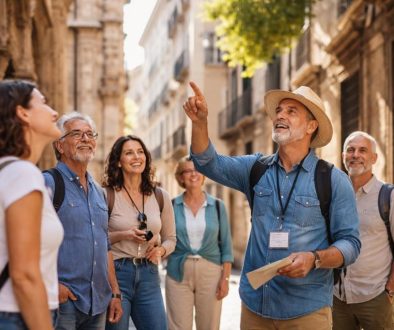

Rick Steves Family Tours: Complete 2026 Guide
Traveling with family requires careful planning to ensure every member, from grandparents to young children, enjoys the experience. Rick Steves family tours have become a benchmark in the guided tour industry for creating multi-generational travel experiences that balance education with entertainment. These specialized programs demonstrate how thoughtful tour design can transform ordinary vacations into memorable adventures that engage participants of all ages. Understanding what makes these tours successful offers valuable insights for anyone planning family travel, whether choosing organized group experiences or creating custom itineraries with professional guides.
Understanding the Family Tour Philosophy
The concept behind rick steves family tours centers on creating meaningful connections between travelers and destinations while accommodating different age groups' needs. These tours recognize that children require different engagement strategies than adults, yet both groups can appreciate the same locations when content is delivered appropriately.
Educational entertainment forms the foundation of successful family touring. Guides must transform historical facts into compelling narratives that capture young imaginations while satisfying adult curiosity. This dual-level storytelling technique keeps entire families engaged throughout walking tours, museum visits, and cultural experiences.
The pacing differs significantly from adult-only tours. Family programs incorporate regular breaks, interactive activities, and hands-on learning opportunities. This rhythm prevents fatigue and maintains enthusiasm across long touring days.
Key Components of Successful Family Tours
- Age-appropriate content delivery that speaks to multiple generations simultaneously
- Activity variation mixing walking, transportation, and stationary experiences
- Built-in flexibility allowing families to opt out when needed
- Social opportunities where children connect with peers while parents interact with other adults
- Educational objectives balanced with pure fun and recreation
Popular European Destinations for Family Groups
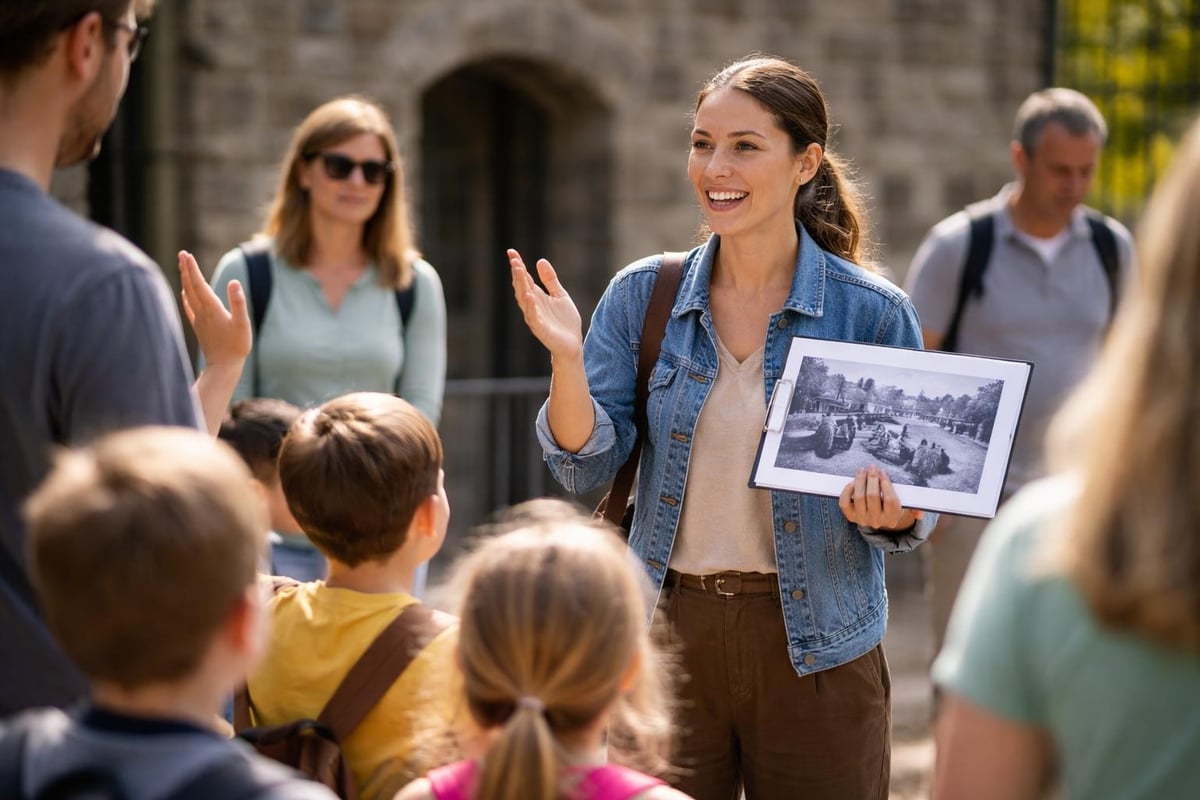
Rick steves family tours traditionally focus on European destinations that offer rich cultural experiences combined with practical accessibility for younger travelers. The Family Europe: London to Florence tour represents the careful destination selection that makes family touring successful.
| Destination | Family Appeal | Practical Advantages | Typical Duration |
|---|---|---|---|
| London | Museums, royal history, English language | Walkable, excellent transport, familiar culture | 3-4 days |
| Paris | Art, architecture, famous landmarks | Metro system, parks, diverse dining | 3-4 days |
| Florence | Art history, outdoor markets, gelato | Compact center, pedestrian-friendly | 2-3 days |
| Amsterdam | Canals, bicycling culture, Anne Frank House | Flat terrain, bicycle infrastructure | 2-3 days |
| Rome | Ancient ruins, interactive history | Walking city, pizza universally loved | 3-4 days |
These destinations work well for families because they combine iconic attractions with practical infrastructure. Cities with comprehensive public transportation reduce the stress of moving groups with children through unfamiliar environments. Walkable historic centers allow families to explore at their own pace without constant vehicle dependence.
Why Nordic Destinations Excel for Families
Stockholm presents exceptional advantages for family touring despite receiving less attention than Mediterranean destinations. The city's cultural tours showcase Scandinavian history through accessible storytelling and interactive experiences.
Safety and cleanliness rank among Stockholm's primary appeals for family travelers. Parents appreciate the well-maintained streets, reliable public services, and generally peaceful atmosphere. The city's compact Old Town offers medieval charm without the overwhelming crowds found in more famous European historic districts.
English proficiency throughout Stockholm eliminates language barriers that complicate family travel in other regions. This linguistic accessibility allows children to interact independently with shopkeepers, museum staff, and local residents, building confidence and cultural understanding.
Planning Considerations for Multi-Generational Tours
Successful family touring requires addressing several unique logistical challenges. The Family Europe: Amsterdam to Rome tour demonstrates how professional tour operators structure itineraries to accommodate varying stamina levels and interests.
Group size significantly impacts family tour quality. Smaller groups facilitate more personalized attention and flexibility. When touring with professional tour guides, intimate group sizes enable guides to adjust pacing and content based on real-time feedback from participants.
Accommodation selection affects overall trip satisfaction more dramatically with families than adult-only groups. Rooms must accommodate varying family configurations, and hotels should offer amenities like laundry facilities and convenient breakfast options. Location matters tremendously since families benefit from staying within walking distance of major attractions to minimize transit time with tired children.
Meal Planning Strategies
- Research child-friendly restaurants near planned activities before departure
- Build in familiar food options alongside local cuisine experiences
- Schedule picnic opportunities in parks or scenic locations for cost savings and flexibility
- Allow children menu input to increase willingness to try new foods
- Plan shorter dining experiences rather than extended multi-course meals
Food becomes both a cultural learning opportunity and a potential stress point. Balancing authentic local cuisine with familiar comfort foods helps maintain positive attitudes throughout the journey.
Educational Value and Roadschooling Approaches
The roadschooling philosophy demonstrates how travel transforms into comprehensive education. Rick steves family tours inherently embrace this concept by structuring experiences that teach history, art, geography, and cultural awareness through direct experience.
Preparation activities before departure enhance learning outcomes. Families who research destinations together, read relevant historical fiction, or watch documentaries create context that makes on-site experiences more meaningful. Children who understand basic facts about the Roman Empire gain substantially more from visiting the Colosseum than those encountering the structure without background knowledge.
Documentation strategies help families process and retain learning. Encouraging children to maintain travel journals, sketch observations, or create photo essays transforms passive sightseeing into active learning. These artifacts become valuable educational resources long after returning home.
Cost Analysis and Budgeting Strategies
Family touring requires careful financial planning since costs multiply with each additional participant. Rick steves family tours provide all-inclusive pricing that simplifies budgeting, though families should understand what expenses remain uncovered.
Base tour costs typically include accommodations, most meals, entrance fees to included attractions, and guide services. Additional expenses include personal spending, optional activities, some meals, and travel insurance. Understanding this division helps families budget accurately for total trip costs.
| Expense Category | Typical Percentage | Budget Planning Strategy |
|---|---|---|
| Tour package | 60-70% | Book early for best rates |
| Flights | 15-20% | Use points, monitor fares six months ahead |
| Additional meals | 5-10% | Research costs at destinations in advance |
| Souvenirs/shopping | 5-8% | Set per-person daily allowances |
| Emergency fund | 5-7% | Budget but hope not to use |
Private or custom tours through providers like Adding:tours offer different value propositions. While per-person costs may appear higher than large group tours, customization allows families to eliminate unwanted activities and focus budgets on preferred experiences. This efficiency can produce better overall value for families with specific interests.
Review Analysis and Participant Feedback
Examining customer reviews of Rick Steves tours reveals consistent themes regarding family tour experiences. Parents repeatedly praise guides who engage children directly rather than simply tolerating their presence. The best guides develop rapport with younger participants, remembering names, asking questions, and acknowledging children's observations.
Pacing concerns emerge as the most common critique. Some families find touring schedules too ambitious for younger children, while others appreciate packed itineraries that maximize destination time. This variation highlights the importance of honestly assessing family stamina levels when selecting tours.
The forum discussions about family tours provide practical insights from experienced participants. Common recommendations include bringing portable entertainment for transportation segments, packing light to ease hotel transitions, and preparing children for cultural differences they'll encounter.
What Participants Value Most
- Guides who make history accessible and entertaining for all ages
- Balance between structured programming and free exploration time
- Opportunities to interact with local families and children
- Inclusion of fun activities like cooking classes or treasure hunts
- Small group sizes enabling personalized attention
The testimonials about family touring consistently emphasize transformed family dynamics. Parents report improved relationships with teenagers when exploring new environments together. Shared adventures create conversation topics and inside jokes that strengthen family bonds long after trips conclude.
Customization Options and Private Touring
While organized group tours like rick steves family tours offer convenience and social opportunities, private custom tours provide maximum flexibility. Families with specific interests or unusual schedules benefit from tailored approaches that adapt to their exact needs.
Interest-based customization allows deep dives into niche topics. A family passionate about music history might design an ABBA-focused Stockholm experience, while literature enthusiasts could create literary walking tours following favorite authors. This specialization produces more meaningful engagement than general overview tours.
The ability to control daily schedules represents another significant advantage of customized tours. Families with young children often prefer later morning starts to allow adequate sleep. Others maximize daylight by beginning activities early and including afternoon rest breaks. This temporal flexibility reduces stress and improves overall experience quality.

Age-Specific Programming Considerations
Different age groups require distinct engagement strategies. Successful rick steves family tours address these variations through multi-layered content delivery and activity selection.
Young Children (Ages 4-8)
Tours for this age group emphasize sensory experiences and interactive elements. Touching ancient stones, tasting local foods, and participating in scavenger hunts maintain attention better than lectures. Stories about historical figures become more engaging when framed as adventures or mysteries.
Brief attention spans necessitate frequent activity changes. A 30-minute museum visit followed by outdoor time produces better results than extended indoor sessions. Stockholm walking tours work well for this age because they naturally incorporate movement and visual variety.
Pre-Teens and Teenagers (Ages 9-17)
Older children appreciate more sophisticated content while still benefiting from interactive approaches. Technology integration, like photo challenges or GPS-based exploration games, engages this demographic effectively. Allowing teens to research aspects of upcoming destinations and share findings with the family builds investment and confidence.
Social opportunities become increasingly important. Tours that incorporate activities where teenagers can interact with peers from other families or local young people create highlights that pure sightseeing cannot match. The pros and cons of organized tours often mention teen social dynamics as a determining factor in overall satisfaction.
Alternative Approaches to Family Travel Education
Not every family needs fully organized tours to achieve educational travel goals. Understanding various approaches helps families select the best methodology for their circumstances and preferences.
Independent travel with professional guide services combines flexibility with expert knowledge. Families design their own itineraries but hire experienced guides for specific activities like Old Town walking tours or specialized thematic experiences. This hybrid approach provides professional insights without requiring adherence to predetermined schedules.
Self-guided exploration using quality resources represents the most flexible option. Rick Steves publishes extensive guidebooks and free resources that enable families to create DIY educational tours. This approach demands more planning effort but allows complete control over pace, budget, and focus areas.
Tour comparison considerations:
- Group size preferences and social versus privacy priorities
- Budget constraints and value expectations
- Desired level of logistical management
- Family members' travel experience and confidence
- Time available for pre-trip planning
Each approach offers distinct advantages depending on family composition, interests, and resources. Many experienced family travelers eventually develop hybrid strategies incorporating elements from multiple methodologies.
Preparing Children for Cultural Experiences
Mental preparation significantly impacts how children experience new cultures. Rick steves family tours typically include pre-departure materials that help families prepare, but parents should supplement these resources with age-appropriate discussions.
Cultural sensitivity begins with acknowledging differences without judgment. Discussing how daily life varies across cultures builds openness to new experiences. Explaining that different doesn't mean wrong prevents negative reactions to unfamiliar customs or foods.
Language preparation, even basic phrases, empowers children during international travel. Learning to say "please," "thank you," and "hello" in destination languages provides confidence and demonstrates respect. These small efforts often generate positive interactions with locals that become trip highlights.
Setting realistic expectations prevents disappointment. Children should understand that European cities may lack certain American conveniences and that daily routines will differ from home. Framing these differences as adventures rather than deprivations maintains positive attitudes.
Long-Term Benefits of Family Travel Experiences
The value of rick steves family tours and similar experiences extends far beyond vacation enjoyment. Research consistently demonstrates that shared travel experiences produce lasting benefits for family relationships and child development.
Expanded worldview ranks among the most significant long-term benefits. Children exposed to different cultures develop more nuanced understanding of global diversity. This exposure correlates with increased empathy, reduced prejudice, and improved problem-solving skills as children learn that multiple valid approaches exist for common challenges.
Family bonding intensifies during shared adventures. Working together to navigate unfamiliar environments, solve unexpected problems, and discover new places creates shared memories that strengthen relationships. Parents report improved communication with teenagers following family trips, as travel provides neutral territory for interaction outside normal parent-child dynamics.
Academic performance often improves following educational travel. Direct experience with historical sites, artworks, and cultural phenomena creates memorable context for classroom learning. Students who've walked Roman streets retain more information about Roman history than those who only read textbooks.
Measuring Travel's Educational Impact
| Benefit Area | Observable Outcomes | Timeline for Impact |
|---|---|---|
| Geographic knowledge | Improved map skills, location awareness | Immediate |
| Historical understanding | Better retention of facts, contextual thinking | 3-6 months |
| Language acquisition | Vocabulary expansion, pronunciation improvement | Ongoing |
| Cultural awareness | Reduced stereotyping, increased curiosity | Long-term |
| Independence | Improved decision-making, confidence | Immediate and ongoing |
These benefits accumulate with repeated travel experiences, making family touring an investment in children's education and development that yields returns throughout their lives.
Seasonal Considerations and Timing Strategies
When families book rick steves family tours significantly affects their experiences. Understanding seasonal variations helps optimize timing for specific family needs and preferences.
Summer touring offers several advantages despite peak pricing and crowds. School schedules typically require summer travel, and longer daylight hours enable more extensive daily itineraries. Weather reliability in most European destinations peaks during summer months, reducing rain-related disruptions.
Shoulder season touring in late spring or early fall balances crowd levels with reasonable weather. May, early June, September, and early October typically offer pleasant temperatures with reduced tourist congestion. These periods often feature lower pricing for guided tours and accommodations while maintaining full attraction availability.
Winter family touring appeals to specific interests. Holiday markets, winter sports opportunities, and festive decorations create unique experiences unavailable during other seasons. However, shorter daylight hours limit daily touring capacity, and weather unpredictability requires flexible backup plans.
Family touring represents a powerful investment in education, relationships, and lifelong memories when approached thoughtfully. The principles demonstrated through successful programs like rick steves family tours apply broadly to any family travel experience, emphasizing engagement, appropriate pacing, and educational value alongside entertainment. Whether you're planning European adventures or seeking closer-to-home experiences, Adding:tours specializes in creating personalized family experiences in Stockholm that balance cultural education with genuine enjoyment for all generations, ensuring your family's journey becomes an unforgettable chapter in your shared story.