Walking Vacations: Your Complete Guide for 2026
Walking vacations represent one of the most rewarding ways to experience a destination, combining physical activity with cultural immersion and authentic local encounters. Unlike traditional tours that whisk you past landmarks in air-conditioned buses, walking vacations allow you to absorb the atmosphere, engage with locals, and discover hidden corners that most visitors miss. This immersive approach to travel has gained tremendous popularity in recent years, particularly among travelers seeking meaningful experiences that benefit both body and mind. Whether you're exploring narrow medieval alleyways in historic European cities or following literary trails through vibrant neighborhoods, walking vacations offer unparalleled opportunities to connect with places on a deeper level.
The Growing Appeal of Walking Vacations
The travel industry has witnessed a significant shift toward experiential tourism, with walking vacations at the forefront of this movement. Modern travelers increasingly prioritize authentic experiences over superficial sightseeing, seeking journeys that engage all their senses and create lasting memories.
Health Benefits That Matter
The physical advantages of walking in nature and urban environments extend far beyond simple exercise. Walking vacations provide cardiovascular benefits, strengthen muscles, and improve joint health without the high impact associated with running or other intensive activities. The moderate, sustained physical activity helps regulate blood sugar levels, supports healthy weight management, and boosts immune function.
Mental health improvements rank equally high among the benefits. Regular walking during vacation reduces stress hormones, alleviates anxiety, and can significantly improve mood. The combination of physical movement, fresh air, and engaging surroundings creates an ideal environment for mental rejuvenation.
Sustainable Travel Choice
Walking vacations align perfectly with growing environmental consciousness among travelers. By minimizing carbon footprints and supporting local economies directly, these experiences represent responsible tourism at its finest.
Environmental advantages include:
- Zero emissions during exploration
- Reduced pressure on tourist infrastructure
- Minimal ecological impact on destinations
- Greater appreciation for natural and built environments
Walking also encourages spending at local businesses rather than international chains. When you explore on foot, you naturally encounter neighborhood cafes, family-run shops, and authentic restaurants that tour buses bypass entirely.
Planning Your Walking Vacation
Successful walking vacations require thoughtful preparation to ensure comfort, safety, and maximum enjoyment. The planning process differs significantly from conventional vacations, with special attention to physical readiness, route selection, and logistical considerations.
Assessing Your Fitness Level
Understanding different activity levels for walking tours helps match your vacation to your capabilities. Walking tours range from leisurely urban strolls covering three to five miles daily to challenging mountain treks exceeding ten miles with significant elevation changes.
| Activity Level | Daily Distance | Terrain Type | Ideal For |
|---|---|---|---|
| Easy | 2-4 miles | Flat, paved surfaces | Beginners, families |
| Moderate | 4-7 miles | Mixed terrain, some hills | Regular walkers |
| Challenging | 7-12 miles | Steep inclines, varied surfaces | Experienced hikers |
| Strenuous | 12+ miles | Mountain trails, high elevation | Advanced trekkers |
Begin preparing at least two months before departure. Gradually increase your daily walking distance, incorporate hills if your destination features elevation changes, and practice wearing the shoes and carrying the pack you'll use during your vacation.
Choosing Your Destination
Some of the world’s most walkable cities offer exceptional experiences for walking vacations. European destinations particularly excel in pedestrian-friendly infrastructure, with centuries-old city centers designed for foot traffic long before automobiles existed.
Stockholm exemplifies the ideal walking vacation destination. The Swedish capital combines compact neighborhoods, extensive pedestrian zones, and breathtaking architecture across fourteen islands connected by bridges. Stockholm walking tours reveal layers of history from medieval times through modern Scandinavian design, with knowledgeable guides providing context that transforms ordinary sightseeing into genuine learning experiences.
Consider these factors when selecting destinations:
- Climate and season – Research typical weather patterns during your travel dates
- Urban density – Compact city centers offer more variety within walking distance
- Cultural richness – Historical significance and local traditions enhance experiences
- Safety and infrastructure – Well-maintained sidewalks and pedestrian zones matter
- Guide availability – Professional tour guides add immeasurable value through local expertise
Essential Packing Considerations
Proper footwear stands as the single most critical item for walking vacations. Invest in quality walking shoes broken in well before departure. Bring two pairs if possible, alternating daily to prevent blisters and accommodate different conditions.
Walking vacation essentials:
- Moisture-wicking socks (multiple pairs)
- Lightweight, breathable clothing in layers
- Weather-appropriate outerwear
- Comfortable daypack (15-20 liters)
- Reusable water bottle
- Blister prevention supplies
- Portable phone charger
- Comfortable evening shoes
Pack light to maximize mobility. Walking vacations reward minimalist packing, as you'll appreciate every pound you don't carry through cobblestone streets and up stairs in buildings without elevators.

Types of Walking Vacation Experiences
Walking vacations encompass diverse experiences tailored to different interests, fitness levels, and travel styles. Understanding various options helps identify the perfect match for your preferences and goals.
Urban Walking Tours
City-based walking vacations offer unmatched cultural immersion and historical discovery. English walking tours conducted by local experts transform urban exploration from simple navigation into narrative journeys that illuminate a city's soul.
Stockholm's Old Town (Gamla Stan) provides quintessential urban walking experiences. The medieval quarter's narrow lanes, colorful buildings, and hidden courtyards tell stories spanning eight centuries. Stockholm Old Town walking tours guide visitors through this living museum, revealing secrets invisible to independent travelers.
Urban walking tours typically include:
- Architectural highlights and historical landmarks
- Local food and beverage sampling
- Artisan workshops and specialty shops
- Public markets and neighborhood squares
- Insider tips for restaurants and attractions
Themed Cultural Experiences
Specialized walking vacations focus on specific interests, creating deeper connections with particular aspects of a destination. Literary tours, music history walks, and artistic journeys attract enthusiasts seeking expert knowledge and unique access.
Stockholm offers exceptional themed experiences, including literary walks following locations from Stieg Larsson's Millennium trilogy and ABBA journeys celebrating Sweden's most famous musical export. These specialized tours combine walking with storytelling, creating multidimensional experiences that engage intellectually and emotionally.
Nature-Based Walking Holidays
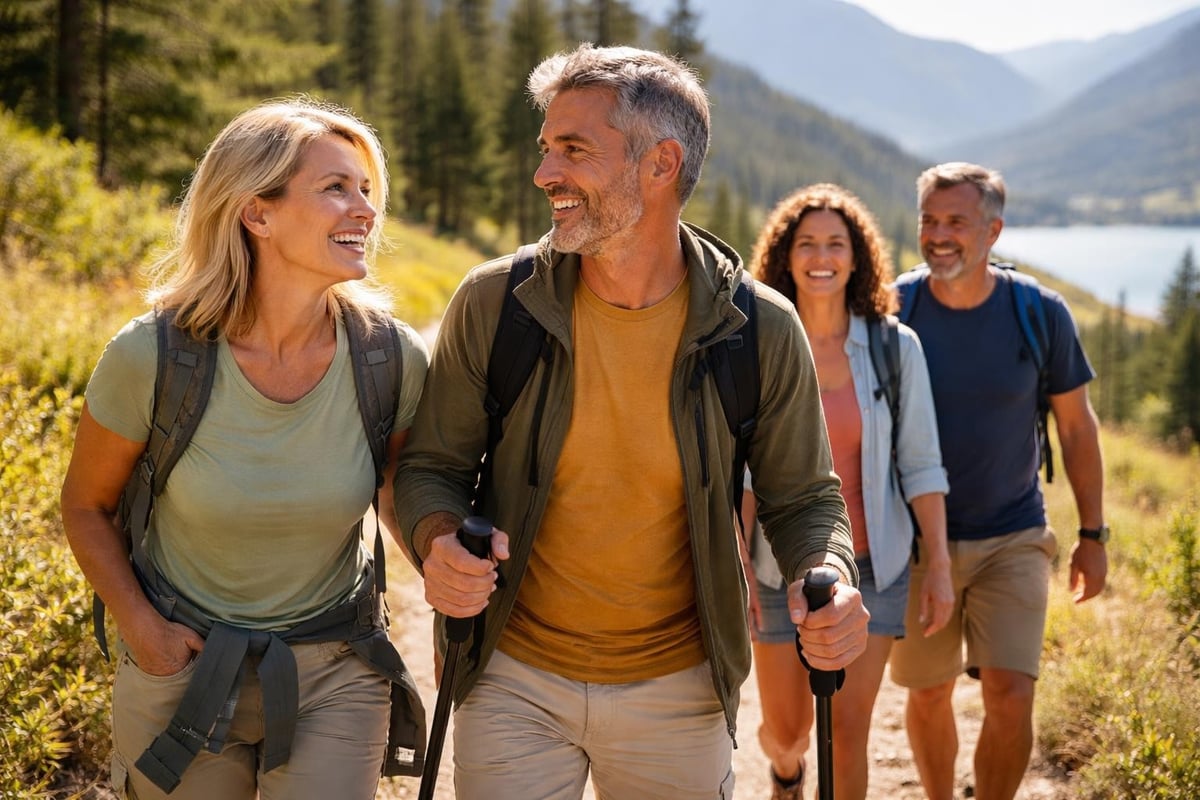
Beyond urban environments, walking holidays in natural settings provide rejuvenating escapes from daily pressures. Coastal paths, forest trails, and mountain routes offer spectacular scenery and wildlife encounters alongside physical challenges.
Nature walks vary tremendously in difficulty and duration. Multi-day treks with overnight wilderness camping appeal to adventure seekers, while day hikes returning to comfortable accommodations suit those preferring civilization's amenities.
Maximizing Your Walking Vacation Experience
Getting the most from walking vacations requires more than physical preparation. Strategic approaches to daily activities, social engagement, and cultural learning significantly enhance overall satisfaction and long-term memories.
Working with Local Guides
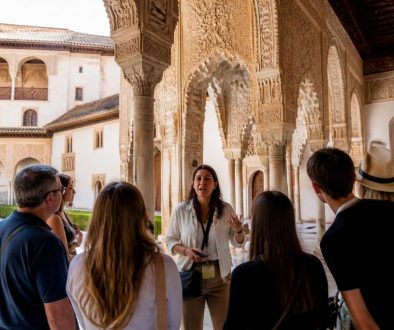
Professional guides transform good walking vacations into extraordinary journeys. Their knowledge extends far beyond historical facts and architectural details to encompass local customs, contemporary issues, and personal stories that contextualize what you observe.
Tailored tours designed around your specific interests yield dramatically better experiences than generic group tours. Small gatherings allow guides to adjust pace, answer questions thoroughly, and explore tangential topics that arise organically during conversations.
Benefits of guided walking vacations include:
- Access to restricted areas and private collections
- Meal recommendations matching your preferences and budget
- Real-time adjustments based on weather, energy levels, and group interests
- Historical context that brings sites to life
- Navigation assistance in unfamiliar cities
Pacing and Recovery Strategies
Sustainable pacing prevents exhaustion and injury while maximizing enjoyment throughout your vacation. The temptation to pack every waking hour with activities often backfires, leaving travelers too tired to appreciate later experiences.
| Strategy | Implementation | Benefit |
|---|---|---|
| Start slowly | Easy first day, building intensity | Prevents early burnout |
| Schedule rest days | One recovery day per four active days | Maintains energy levels |
| Alternate intensity | Mix challenging and easy walking days | Reduces injury risk |
| Hydrate consistently | Water before feeling thirsty | Sustains performance |
| Stretch daily | Morning and evening routines | Prevents muscle tightness |
Listen to your body's signals. Persistent pain, excessive fatigue, or unusual discomfort warrant rest days or medical consultation. Walking vacations should invigorate rather than exhaust participants.
Social Dimensions of Walking Travel
Walking vacations create natural opportunities for meaningful social connections. Five compelling reasons to embark on a walking vacation include the enhanced social bonds formed through shared physical challenges and discoveries.
Small group tours, particularly those designed for solo travelers, facilitate friendships among like-minded people. The slower pace and shared experiences create conversation opportunities impossible during rushed conventional tours.
Walking with family or friends strengthens existing relationships. Unplugged time together, focused on shared goals and discoveries, builds memories and understanding that persist long after returning home.
Seasonal Considerations and Timing
Strategic timing significantly impacts walking vacation quality. Weather, crowd levels, and seasonal events all influence the experience, making research and planning essential for optimal results.
Best Seasons for Different Destinations
European walking vacations peak during spring (April through June) and fall (September through October). These shoulder seasons offer moderate temperatures, manageable crowds, and often lower prices compared to summer high season.
Stockholm particularly shines during late spring and summer when extended daylight hours maximize exploration time. June's near-midnight sun allows evening walks bathed in golden light that photographers and romantics equally appreciate. However, Stockholm city tours operate year-round, with winter offering its own magic through snow-dusted architecture and cozy cafes.
Seasonal advantages by quarter:
- Winter (January-March) – Fewer tourists, winter festivals, authentic local atmosphere, lower prices
- Spring (April-June) – Blooming gardens, moderate temperatures, increasing daylight, seasonal foods
- Summer (July-September) – Maximum daylight, outdoor events, warmest weather, peak energy
- Fall (October-December) – Autumn colors, harvest festivals, crisp air, holiday markets
Daily Timing Strategies
Early morning walks offer unique advantages in popular destinations. You'll encounter cities awakening, photograph landmarks without crowds, and experience cooler temperatures during summer months. Late afternoon and evening walks provide different perspectives as cities transition from workday to leisure time.
Structure days around energy patterns and weather. Schedule challenging walks during cooler morning hours, reserving afternoons for indoor museums or rest periods. Evening strolls through neighborhoods offer dinner planning opportunities as you observe where locals dine.
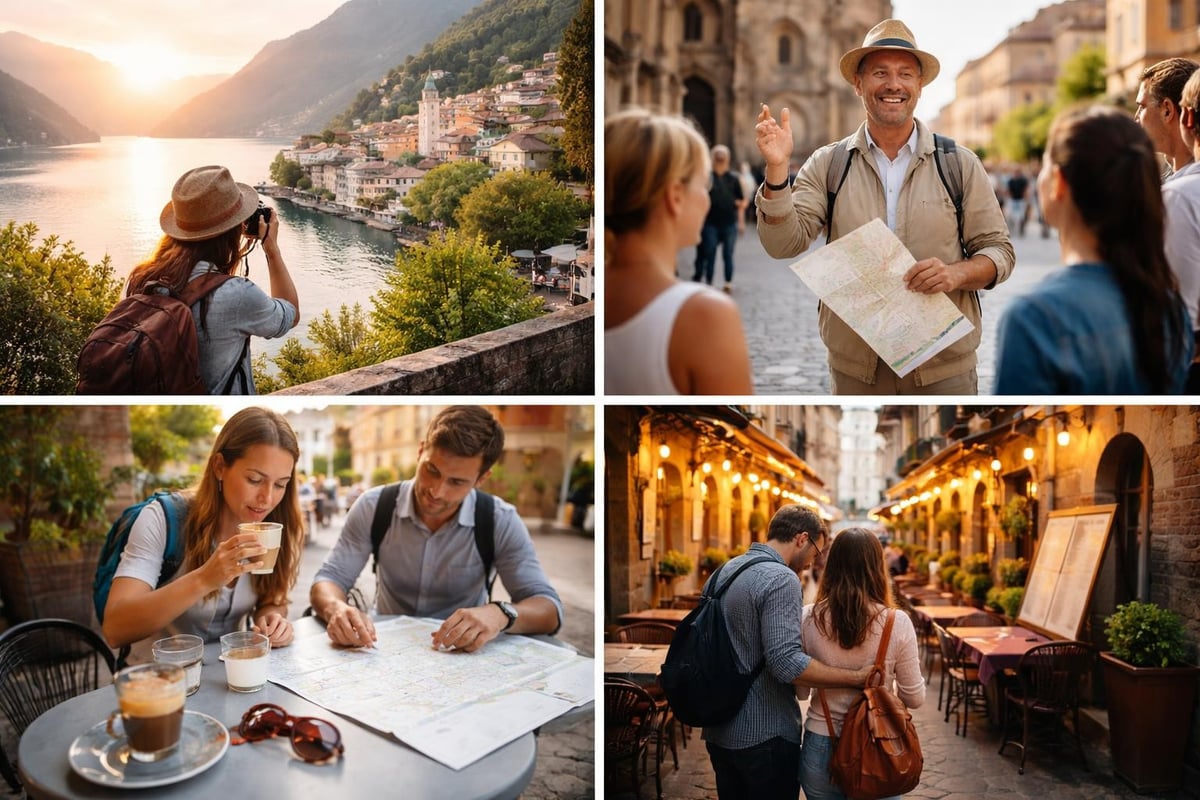
Special Considerations for Group Travel
Private group walking vacations require additional coordination but offer distinct advantages over solo or standard group tours. Whether traveling with family, friends, or colleagues, guided vacations customized for your group create shared experiences impossible to replicate independently.
Customizing for Diverse Abilities
Groups often include participants with varying fitness levels, interests, and physical limitations. Successful group walking vacations accommodate these differences through flexible itineraries and thoughtful planning.
Consider these accommodation strategies:
- Design routes with optional extensions for stronger walkers
- Include frequent rest stops at cafes or scenic viewpoints
- Provide transportation options for those needing breaks
- Select mixed itineraries balancing walking with other activities
- Communicate expectations clearly before departure
Enhancing Group Dynamics
Shared walking experiences strengthen group bonds whether among family members, friend circles, or corporate teams. The physical activity releases endorphins that improve mood and cooperation while the novel environment encourages conversations beyond daily routines.
Private guides adapt to group dynamics, facilitating discussions and managing different paces diplomatically. Cultural tours led by experienced professionals ensure everyone feels included regardless of their background knowledge about the destination.
Extending Value Beyond the Vacation
Walking vacations deliver benefits extending well past the return flight home. The habits, knowledge, and perspectives gained during these journeys often influence daily life for months or years afterward.
Integrating Lessons into Daily Life
Many walking vacation participants report increased daily activity after returning home. The experience demonstrates that regular walking provides enjoyment beyond mere exercise, encouraging incorporation into regular routines.
Transfer destination insights to your home environment. Notice architectural details in your own city, explore unfamiliar neighborhoods on foot, and seek local guides to discover hometown secrets you've overlooked.
Photography and Journaling Practices
Document walking vacations through photography and written reflections. These records preserve memories while encouraging mindfulness during the experience itself. Taking time to photograph meaningful details or journal about discoveries slows the pace and deepens engagement.
Share experiences thoughtfully. Rather than overwhelming social media with hundreds of photos, curate selections that tell stories and inspire others to consider walking vacations themselves.
Planning Future Adventures
Top walking holidays worldwide span every continent, offering lifetime exploration opportunities. Each successful walking vacation builds confidence and knowledge applicable to future trips.
Create a walking vacation bucket list including diverse destination types: historic European cities, coastal trails, mountain treks, and cultural centers. Research best walking holidays to identify options matching your evolving interests and capabilities.
Making the Most of Stockholm Walking Experiences
Stockholm offers exceptional walking vacation opportunities combining natural beauty, rich history, and contemporary Scandinavian culture. The compact city center spans multiple islands, each with distinct character and attractions accessible entirely on foot.
Essential Stockholm Walking Routes
The Old Town requires at least half a day for proper exploration. Beyond famous landmarks like the Royal Palace and Nobel Museum, the neighborhood rewards aimless wandering through photogenic lanes. Old Town walking tours with knowledgeable guides reveal stories behind colorful facades and explain architectural evolution from medieval times through modern preservation efforts.
Djurgården island provides nature within the city, combining museums, gardens, and waterfront paths. This former royal hunting ground now houses Skansen open-air museum, Vasa Museum, and ABBA Museum alongside extensive green spaces perfect for leisurely walks.
Insider Access Through Local Expertise
Stockholm's appeal extends beyond guidebook highlights to hidden courtyards, local hangouts, and neighborhood secrets. Native guides share perspectives impossible to gain through independent exploration, explaining Swedish customs, recommending authentic restaurants, and providing context for contemporary Stockholm life.
Sightseeing in Stockholm reaches its full potential when guided by passionate locals who treat visitors as welcomed guests rather than anonymous tourists. This personal approach characterizes quality walking tours, transforming sightseeing into genuine cultural exchange.
Walking vacations offer transformative travel experiences that benefit physical health, mental wellbeing, and cultural understanding while creating memories that endure for years. Whether you're planning urban exploration or nature-based adventures, the combination of physical activity and authentic discovery provides rewards far exceeding conventional tourism. If you're ready to experience Stockholm's captivating blend of history, culture, and natural beauty on foot, Adding:tours creates personalized walking experiences designed specifically for your private group, complete with native English-speaking guides who share insider knowledge and ensure your time in Sweden's capital becomes truly unforgettable.