Guided Visit: Creating Memorable Tour Experiences in 2026
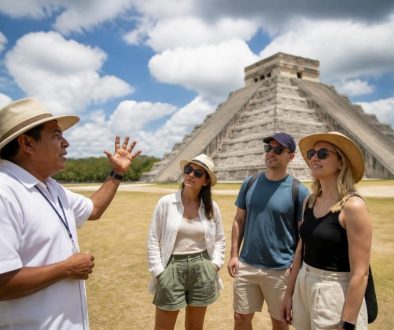
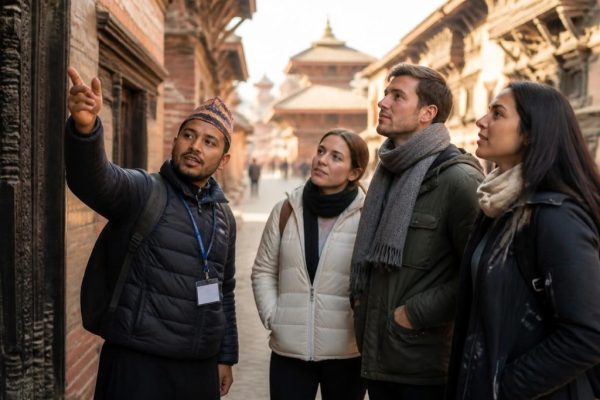
A guided visit represents far more than simply walking through a destination with a group. It transforms exploration into an immersive journey where history comes alive, hidden stories emerge, and travelers connect with places on a deeper level. Whether discovering Stockholm's medieval streets or following literary trails through iconic locations, the quality of a guided visit determines whether participants merely see landmarks or truly understand the spirit of a destination. In 2026, travelers increasingly seek personalized, intimate experiences that go beyond surface-level tourism, making the approach to designing and delivering guided visits more important than ever.
Understanding What Makes an Exceptional Guided Visit
The foundation of any successful guided visit lies in understanding participant expectations and crafting experiences that exceed them. Modern travelers desire authentic connections with destinations rather than scripted presentations. They want to feel the pulse of a city, hear stories that don't appear in guidebooks, and engage with local perspectives that transform their understanding of a place.
Creating this level of engagement requires careful attention to multiple elements. Group size plays a critical role in maintaining intimacy and ensuring every participant can hear, see, and interact with the guide. Pacing determines whether travelers feel rushed or have time to absorb their surroundings. Content delivery must balance historical facts with compelling narratives that resonate emotionally.
Personalization as a Core Element
Generic tours that treat all participants identically miss opportunities to create memorable experiences. A truly effective guided visit adapts to the specific interests, mobility levels, and cultural backgrounds of attendees. This might mean adjusting walking speed for small group tours for seniors, incorporating literary references for book enthusiasts, or focusing on architectural details for design professionals.
The best guides read their audiences continuously, noticing when energy flags or curiosity peaks. They adjust their delivery, extend time at particularly engaging stops, and skip less relevant content to maintain momentum. This responsiveness transforms a standard tour into a conversation rather than a lecture.
Planning and Preparing Your Guided Visit
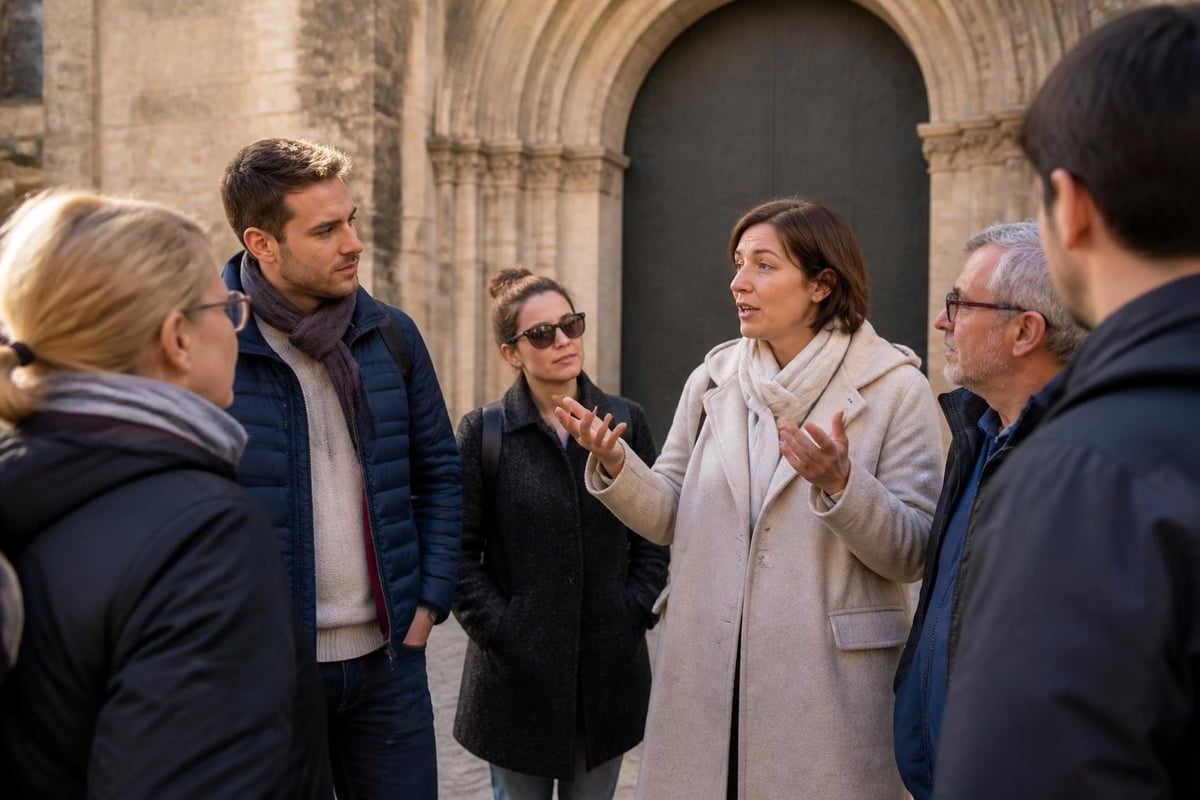
Exceptional guided visits don't happen spontaneously. They require meticulous planning, route testing, and content development. The preparation phase determines whether a tour flows smoothly or encounters preventable obstacles that diminish participant satisfaction.
Route Selection and Testing
Physical accessibility must guide route planning from the beginning. Walk the entire path multiple times at different times of day to identify potential challenges:
- Crowd patterns that might obstruct viewing points during peak hours
- Uneven surfaces or stairs that could pose difficulties for some participants
- Weather exposure areas lacking shade or shelter
- Noise interference from traffic or construction that hampers communication
- Restroom availability at reasonable intervals
Understanding these factors allows guides to make informed decisions about timing, alternative routes, and necessary accommodations. Inclusive best practices for guided tours emphasizes how thoughtful route design enhances accessibility and comfort for all participants.
Content Development and Scripting
While spontaneity adds charm to any guided visit, a well-researched foundation ensures accuracy and consistency. Effective content development involves:
| Content Element | Purpose | Key Considerations |
|---|---|---|
| Historical facts | Establish credibility | Verify sources, update regularly |
| Personal anecdotes | Create connection | Relate to broader themes |
| Cultural context | Deepen understanding | Address current relevance |
| Interactive elements | Maintain engagement | Time appropriately |
| Transition statements | Ensure flow | Connect disparate stops logically |
The guided tour planning tips resource highlights how consistent scripting helps new guides deliver quality experiences while allowing experienced guides to maintain freshness through variations.
Engaging Participants Throughout the Experience
Maintaining participant attention and enthusiasm throughout a guided visit requires deliberate strategies that go beyond simply sharing information. The most effective guides employ multiple techniques to keep audiences mentally and emotionally invested from start to finish.
Storytelling Techniques That Captivate
Facts inform, but stories transform. Rather than stating that a building was constructed in 1640, a skilled guide might describe the political turmoil of that era, the architect's personal challenges, or the building's role in a pivotal historical moment. This narrative approach creates emotional hooks that make information memorable.
Effective storytelling during a guided visit incorporates:
- Sensory details that help participants imagine historical scenes
- Character development introducing historical figures as relatable humans
- Conflict and resolution framing historical events as compelling narratives
- Local perspectives sharing insider viewpoints that only residents know
- Contemporary connections linking past events to current circumstances
The storytelling and audience engagement strategies guide offers valuable insights into creating tours that resonate emotionally while delivering educational content.
Interactive Elements and Participation
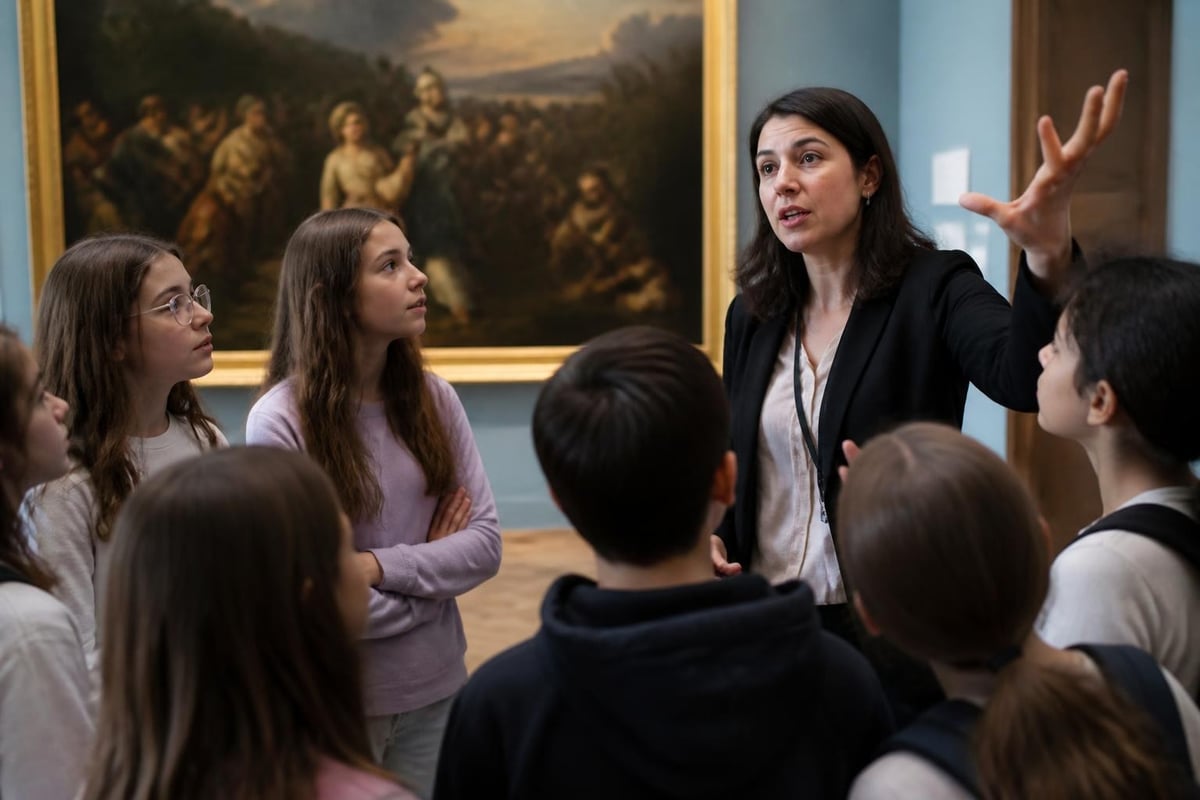
Passive listening leads to passive engagement. Transforming participants into active contributors dramatically increases satisfaction and retention. This might involve asking thought-provoking questions, inviting observations about architectural details, or encouraging group discussions about cultural differences.
For specialized experiences like the ABBA journey in Stockholm to Viggso with meal, interaction naturally emerges through shared musical appreciation and social dining. These elements create community among participants who arrive as strangers but leave as friends bonded by common experiences.
Delivering Professional Expertise with Authenticity
The tension between professionalism and authenticity challenges many guides. Participants expect knowledgeable, well-prepared presentations but also crave genuine, spontaneous interactions. Striking this balance defines truly exceptional guided visits that feel both polished and personal.
The Role of Local Knowledge
Native expertise provides value that no amount of research can replicate. When guides share personal memories of neighborhood changes, recommend hidden restaurants locals actually frequent, or explain subtle cultural nuances, they offer insights unavailable through traditional tourism channels. This insider perspective distinguishes memorable guided visits from generic experiences.
For destinations like Stockholm, local guides can explain Swedish social customs, seasonal traditions, and contemporary cultural movements that provide context for historical sites. They can discuss how modern Stockholm residents relate to Viking heritage or how contemporary politics influence preservation decisions. These layers of understanding transform simple sightseeing into cultural education.
Continuous Learning and Adaptation
Even experienced guides must commit to ongoing education. Cities evolve, new research emerges, and visitor expectations shift. Regular training, peer learning, and participant feedback help guides refine their delivery and update their content.
Professional development areas include:
- Historical research to incorporate new archaeological findings or scholarly interpretations
- Presentation skills to improve storytelling, vocal projection, and body language
- Cultural sensitivity to appropriately address diverse audiences and complex historical topics
- Technology integration to enhance experiences without creating distractions
- Crisis management to handle medical emergencies, lost participants, or unexpected closures
Creating Inclusive Experiences for Diverse Audiences
Modern guided visits must accommodate participants with varying physical abilities, cultural backgrounds, learning styles, and interests. Inclusivity isn't simply about compliance with accessibility standards; it's about ensuring every participant can fully engage with and enjoy the experience regardless of their individual circumstances.
Physical Accessibility Considerations
Beyond selecting accessible routes, truly inclusive guided visits proactively address mobility challenges. This includes clearly communicating physical requirements during booking, offering alternative viewing points for those who cannot navigate stairs, and maintaining pacing that accommodates various fitness levels.
Guides should also consider sensory accessibility:
- Visual accommodations through detailed verbal descriptions for vision-impaired participants
- Auditory support using portable amplification systems in noisy environments
- Cognitive accessibility by presenting information in multiple formats and allowing processing time
- Physical comfort with regular rest opportunities and shade access
The best practices for enhancing visitor engagement resource provides comprehensive strategies for creating welcoming environments that serve all participants effectively.
Cultural Sensitivity and Global Perspectives
Stockholm attracts visitors from every continent, each bringing unique cultural lenses through which they interpret experiences. Effective guides acknowledge these differences without making assumptions about individual participants based on nationality or appearance. They present historical events from multiple perspectives, acknowledge uncomfortable truths about colonial history or wartime actions, and create space for diverse interpretations.
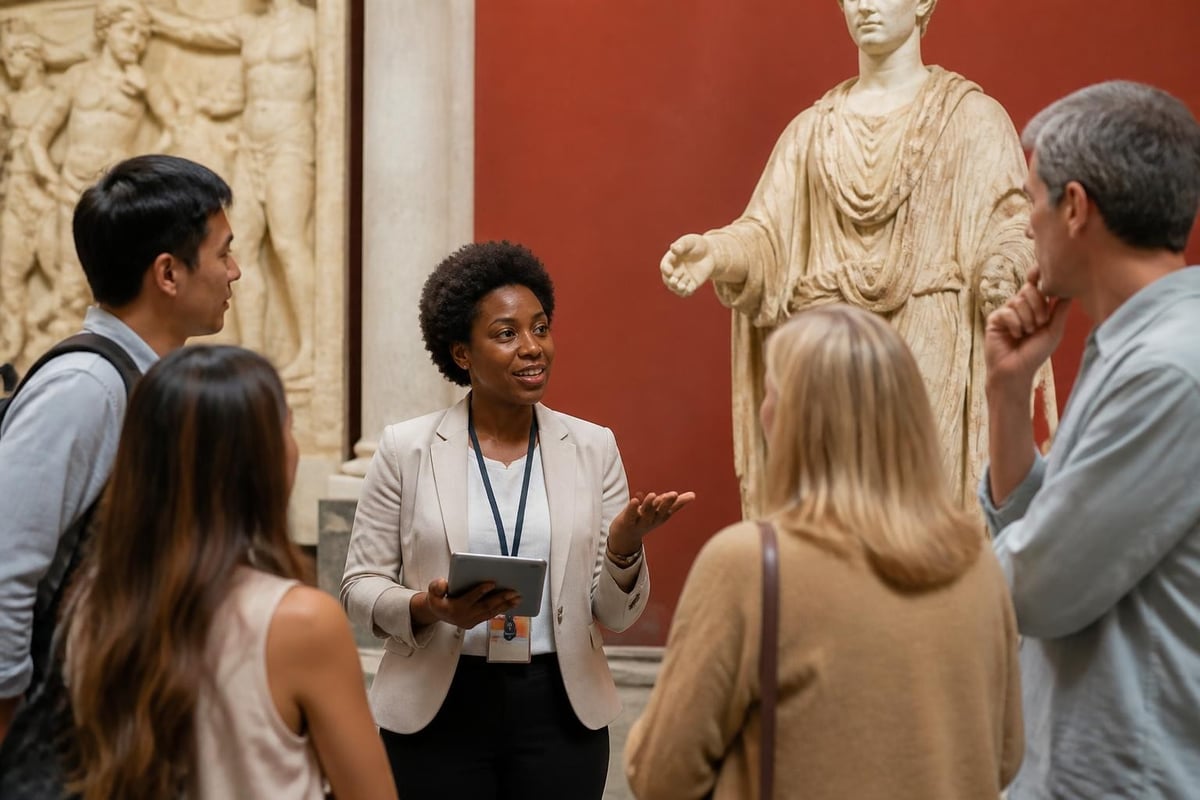
This approach proves particularly important when discussing complex historical periods or controversial figures. Rather than presenting single narratives as absolute truth, guides can explain how different communities remember events differently and invite participants to consider multiple viewpoints. This intellectual generosity creates richer, more nuanced understanding.
Leveraging Technology Without Losing Personal Connection
Technology offers powerful tools for enhancing guided visits, from translation apps to augmented reality overlays. However, the human connection between guide and participants remains the irreplaceable core of meaningful experiences. The challenge lies in integrating technological enhancements without allowing them to dominate or distract from personal interaction.
Strategic Technology Integration
Thoughtful technology use amplifies guide expertise rather than replacing it. This might include showing historical photographs at relevant locations, playing audio clips of period music, or using apps to visualize architectural changes over time. The key is ensuring technology serves the narrative rather than becoming the focus.
For example, during Stockholm Old Town walking tours, showing images of medieval street life helps participants visualize daily routines from centuries past. However, these visual aids should enhance the guide's storytelling rather than substitute for it. Participants should spend more time engaging with the actual location and the guide's insights than staring at screens.
| Technology Tool | Appropriate Use | Potential Pitfall |
|---|---|---|
| Translation apps | Quick clarification for non-native speakers | Over-reliance preventing direct communication |
| Historical images | Illustrating changes over time | Excessive screen time reducing environmental awareness |
| Audio equipment | Ensuring all participants hear clearly | Technical failures disrupting experience flow |
| Mapping apps | Orienting participants spatially | Distraction from present-moment engagement |
The audio guide script best practices article offers valuable insights into pacing and attention management that apply equally to live guided visits incorporating technological elements.
Specialized Thematic Experiences
While general city tours provide valuable overviews, specialized thematic guided visits attract enthusiasts seeking deeper exploration of specific interests. These focused experiences allow guides to dive into niche topics, share specialized knowledge, and connect with participants who bring existing passion and knowledge to the experience.
Literary and Cultural Themed Tours
Following fictional characters through real locations creates unique hybrid experiences that blend imagination with physical space. Literary tours like those exploring Stieg Larsson's Millennium trilogy locations transform Stockholm into the atmospheric backdrop of beloved stories. Participants see familiar streets through the lens of dramatic narratives, creating layered meaning.
These specialized experiences benefit from guides who possess both geographical expertise and deep familiarity with source material. They can explain how authors used real locations, discuss filming locations if books were adapted, and share behind-the-scenes insights about creative processes. The cultural tour approach demonstrates how thematic focus creates cohesive narratives throughout extended experiences.
Music and Entertainment Focused Experiences
Music-themed guided visits tap into emotional connections participants already feel toward artists and genres. An ABBA-focused experience doesn't simply visit locations associated with the band; it creates opportunities for participants to connect with fellow enthusiasts, share memories associated with the music, and experience the cultural context that shaped the artists' work.
These experiences often incorporate multiple sensory elements like music playback, themed meals, and interactive activities that transform passive observation into active participation. The social bonding that emerges from shared enthusiasm often becomes as valuable as the informational content itself.
Managing Group Dynamics and Individual Needs
Every guided visit involves navigating complex social dynamics among participants who arrive as strangers with differing expectations, energy levels, and communication styles. Skilled guides read these dynamics continuously, making subtle adjustments that keep the entire group engaged while accommodating individual needs.
Balancing Different Participant Types
Groups typically include various personality types, from outgoing question-askers to quiet observers preferring to absorb information silently. Effective guides create space for both participation styles without allowing dominant personalities to monopolize attention or making reluctant participants feel pressured to engage verbally.
Strategies for managing diverse participation styles:
- Direct questions to specific individuals to distribute engagement opportunities
- Optional activities allowing self-selection based on comfort levels
- Small group breakouts during longer tours to create intimate discussion opportunities
- Non-verbal participation through observation tasks or photography opportunities
- Post-tour conversations for those wanting deeper engagement without delaying the group
Handling Challenging Situations
Despite careful planning, unexpected situations arise during any guided visit. Weather changes, attraction closures, medical emergencies, or interpersonal conflicts require quick thinking and professional composure. Experienced guides develop contingency plans and maintain calm demeanors that reassure participants even when circumstances require adjustments.
The most valuable skill involves transparent communication about changes while maintaining confidence that alternative plans will still deliver value. Participants typically respond well to honest explanations and appreciate guides who prioritize their safety and comfort over rigid adherence to original itineraries.
Building Lasting Connections Beyond the Tour
The most successful guided visits don't end when participants return to their hotels. They spark ongoing curiosity, create desire for deeper exploration, and build relationships that extend beyond the immediate experience. Guides who view their role as facilitating long-term engagement rather than simply delivering one-time presentations create advocates who recommend experiences to friends and return for additional tours.
Providing Resources for Continued Exploration
Sharing recommendations for restaurants, museums, walking routes, and cultural events empowers participants to continue discovering destinations independently. These suggestions demonstrate genuine care for participant experiences beyond the paid tour duration and position guides as trusted advisors rather than transactional service providers.
For visitors to Stockholm, this might include suggesting specific exhibitions currently showing at museums, recommending neighborhoods for independent exploration, or explaining transportation options for reaching attractions outside the city center. The customized tours approach extends this personalization throughout the entire visitor relationship.
Creating Opportunities for Feedback and Connection
Inviting participant feedback serves multiple purposes. It provides valuable insights for continuous improvement, makes participants feel heard and valued, and creates opportunities for ongoing communication. Follow-up emails thanking participants for their time and inviting reviews or social media sharing extend the relationship beyond the tour itself.
Many satisfied participants become informal ambassadors, sharing experiences with friends planning trips and posting recommendations on social media platforms. Facilitating this organic promotion through excellent service creates sustainable growth far more effectively than traditional advertising.
Maintaining Guide Wellbeing and Sustainability
The physical and emotional demands of delivering multiple guided visits weekly can lead to burnout if guides don't prioritize self-care and sustainable practices. Voice strain, physical exhaustion, and mental fatigue from repeating similar content reduce presentation quality and diminish job satisfaction.
Physical Health Considerations
Professional guides walk many miles weekly, speak for extended periods, and work in various weather conditions. Protecting physical health requires attention to:
- Vocal care including hydration, projection techniques, and regular rest
- Foot health through appropriate footwear and stretching routines
- Weather protection with layered clothing and sun safety practices
- Energy management through proper nutrition and sleep schedules
- Injury prevention via strength training and body mechanics awareness
Mental Freshness and Content Evolution
Even passionate guides can experience staleness when delivering similar content repeatedly. Maintaining enthusiasm requires actively seeking new information, varying presentation approaches, and finding fresh perspectives on familiar material. Reading new historical research, attending cultural events, and engaging with local communities provides ongoing inspiration that keeps presentations dynamic.
Collaborating with other guides through peer observations, content sharing, and professional discussions also combats isolation and generates new ideas. The collective wisdom of experienced guides creates resources that benefit entire teams and ultimately improves participant experiences.
Creating exceptional guided visits requires balancing meticulous planning with spontaneous responsiveness, professional expertise with authentic personality, and structured content with personalized adaptation. The most memorable experiences emerge when guides view their role not as information delivery but as facilitating meaningful connections between people and places. Whether you're exploring Stockholm's medieval streets, following literary trails, or discovering musical heritage, Adding:tours specializes in creating personalized guided experiences designed specifically for your group's interests and pace. Our native English-speaking guides combine local expertise with passionate storytelling to transform sightseeing into genuine cultural immersion, ensuring your time in Stockholm becomes a collection of unforgettable moments rather than just another tourist checklist.