

Guide Stockholm: Complete Tour Planning for 2026
Stockholm stands as one of Europe's most captivating capitals, where medieval charm meets modern sophistication across fourteen islands connected by bridges and ferries. Planning a memorable visit requires more than checking off landmarks from a generic list. A comprehensive guide Stockholm experience means understanding how to navigate the city's distinct neighborhoods, timing your visits to avoid crowds, and discovering the stories that bring each cobblestone street to life. Whether you're drawn to royal palaces, ABBA history, or literary trails, the right approach transforms a standard vacation into an unforgettable journey through Swedish culture and innovation.
Understanding Stockholm's Geography and Layout
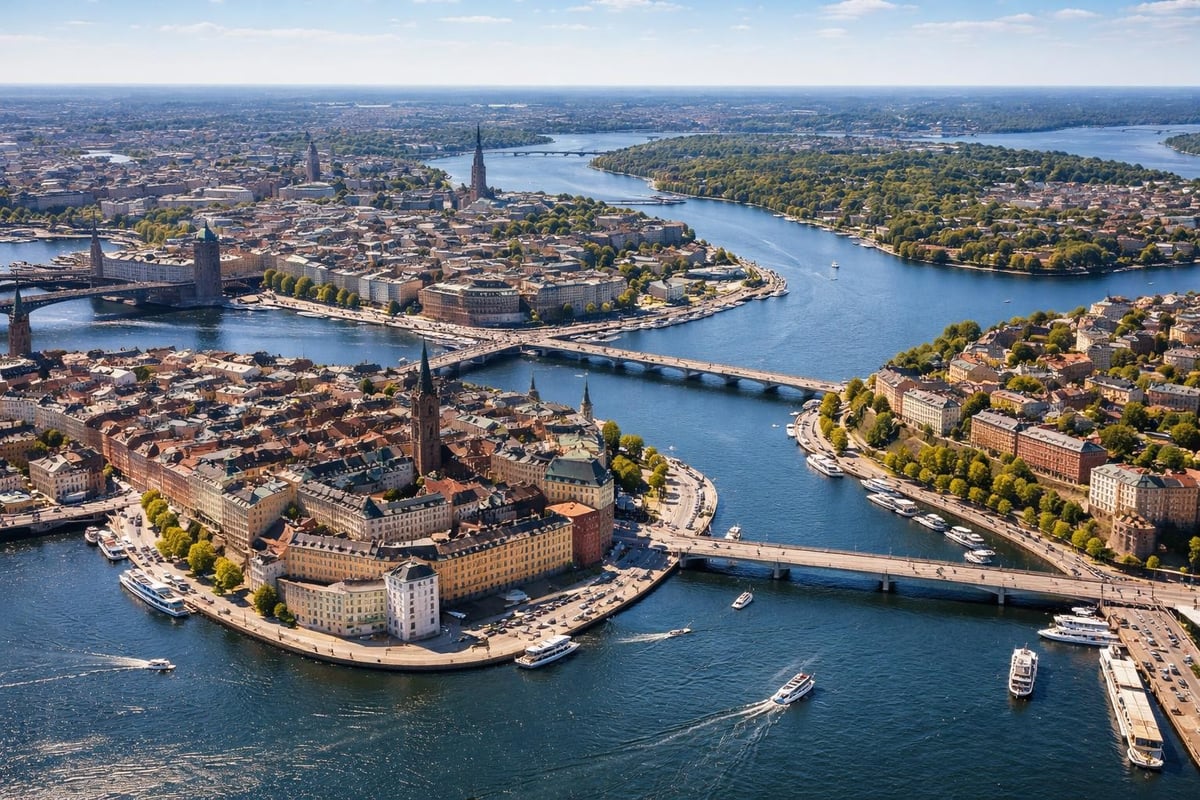
Stockholm's unique island configuration creates distinct districts, each offering different experiences and atmospheres. Gamla Stan, the Old Town, occupies the central island and serves as the historical heart of the city. Norrmalm represents the modern commercial center, while Södermalm has evolved into the trendy creative district. Djurgården functions as the city's cultural island, housing several major museums and green spaces.
Navigating Between Districts
The city's public transportation system integrates buses, metro lines, ferries, and trams efficiently. Understanding this network proves essential for maximizing your time. The metro, called Tunnelbana, features three main lines marked by colors. Ferry services connect the archipelago islands and provide scenic transportation options between certain districts.
Key transportation tips include:
- Purchase an SL Access card for unlimited travel within zones
- Download the SL app for real-time schedules and route planning
- Consider walking between Gamla Stan and nearby districts when weather permits
- Use ferries as both transportation and sightseeing opportunities
The Stockholm Archipelago Trail offers outdoor enthusiasts a unique perspective on the region's island network, spanning twenty islands with marked hiking paths.
Exploring Gamla Stan: The Old Town Experience
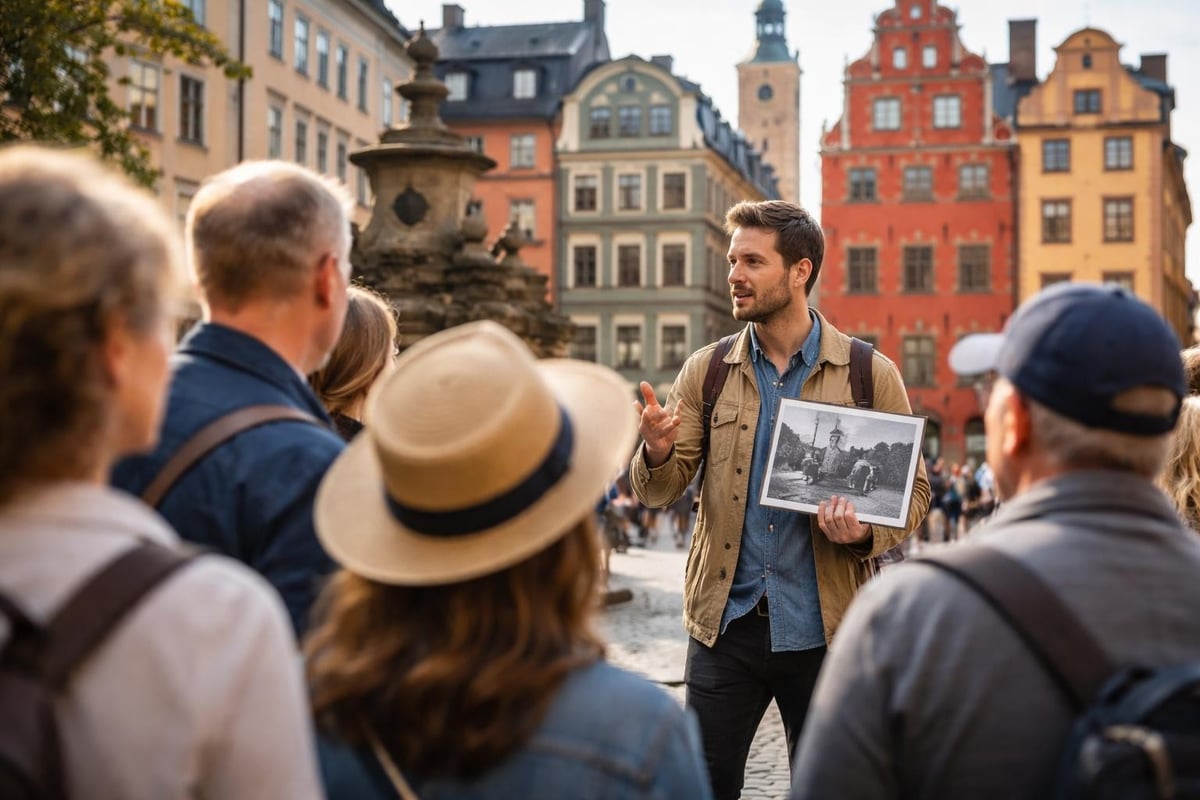
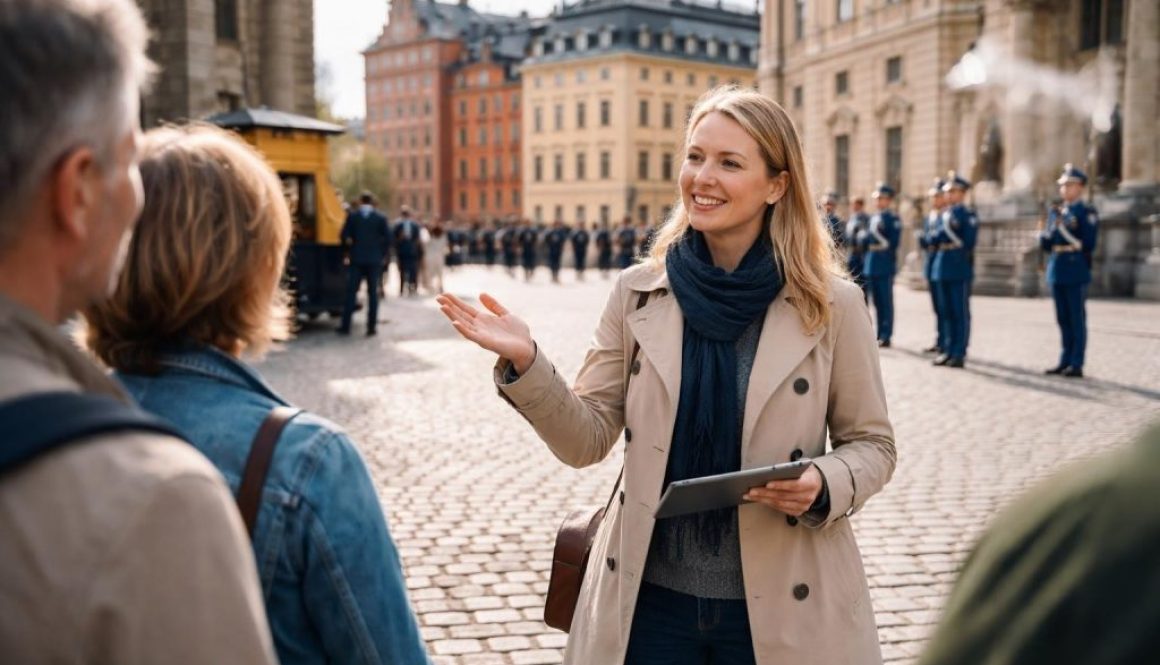
Any proper guide Stockholm itinerary begins in Gamla Stan, where thirteenth-century buildings line narrow alleys that have remained largely unchanged for centuries. This district rewards slow exploration rather than rushed sightseeing. The Royal Palace dominates the waterfront, offering daily changing of the guard ceremonies that blend military precision with Swedish tradition.
Hidden Gems in Medieval Alleys
Beyond the main squares, Gamla Stan's smallest streets reveal authentic character. Mårten Trotzigs Gränd, measuring just 90 centimeters at its narrowest point, represents Stockholm's most photographed alley. Prästgatan maintains its medieval layout, with buildings displaying different architectural periods side by side.
| District Feature | Best Time to Visit | Typical Duration | Crowd Level |
|---|---|---|---|
| Royal Palace | 10:00 AM – 12:00 PM | 2-3 hours | Moderate |
| Stortorget Square | Early morning or evening | 30-45 minutes | High midday |
| Narrow alleys | Anytime | 1-2 hours | Low |
| Nobel Museum | Weekday afternoons | 1.5 hours | Moderate |
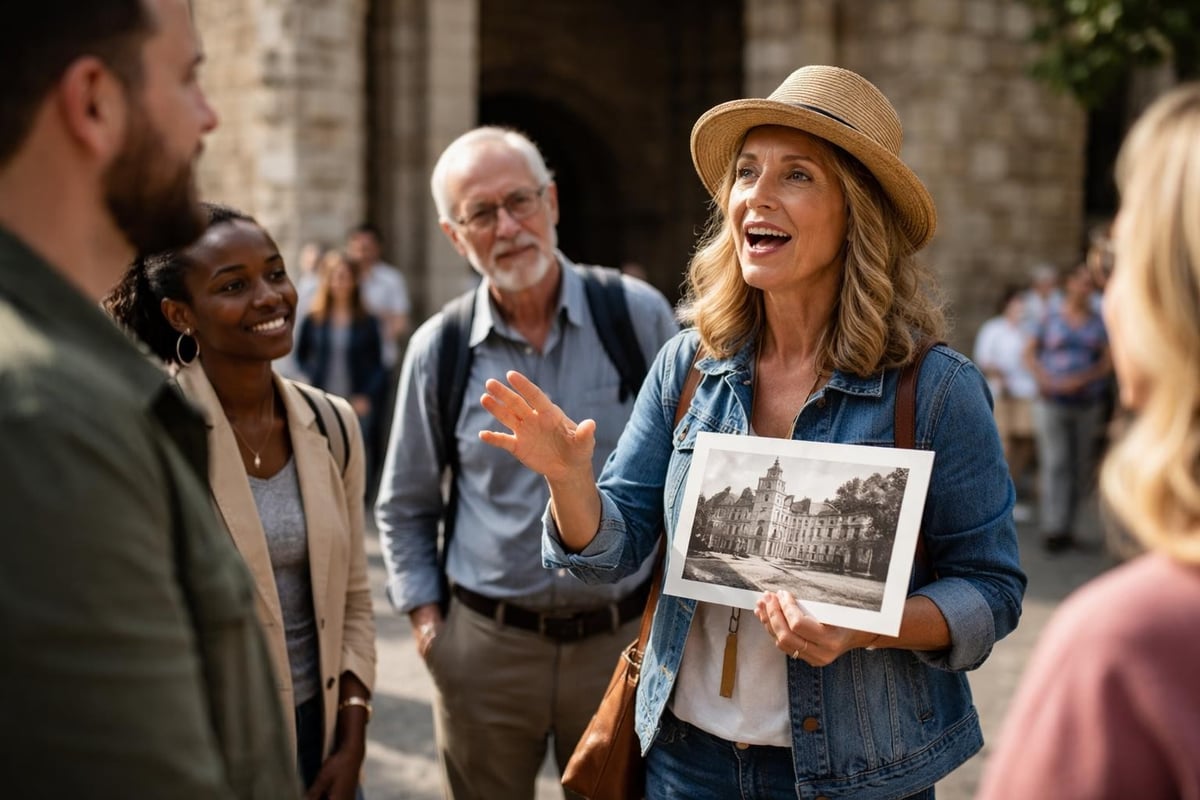
Professional tour guides provide context that transforms these streets from pretty backdrops into living historical narratives, explaining the significance of architectural details, merchant traditions, and political intrigue that shaped Swedish history.
Cultural Attractions Beyond the Tourist Trail
Stockholm's museum landscape extends far beyond the famous Vasa Museum. The Stockholm City Museum documents urban development through interactive exhibitions that particularly engage visitors interested in city planning and social history. The Swedish Army Museum presents military heritage within broader European context, making it accessible even to those without specific interest in warfare.
Thematic Tour Options
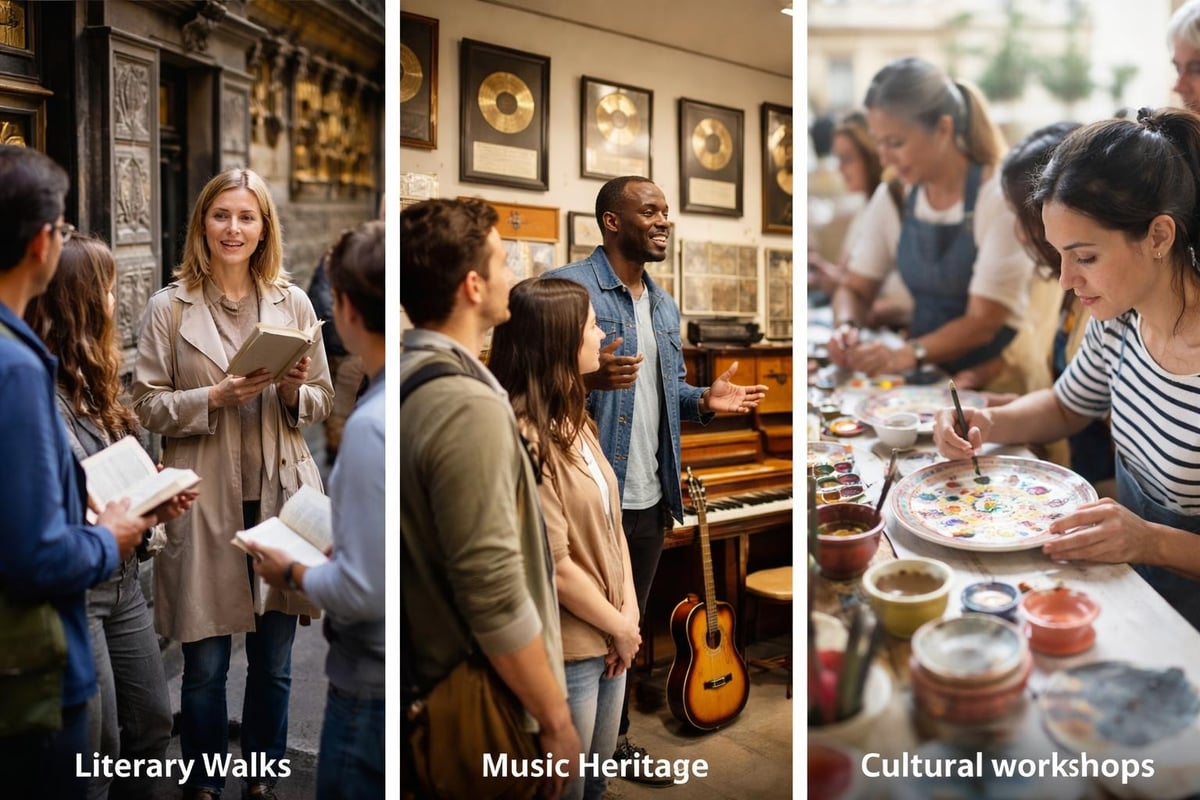
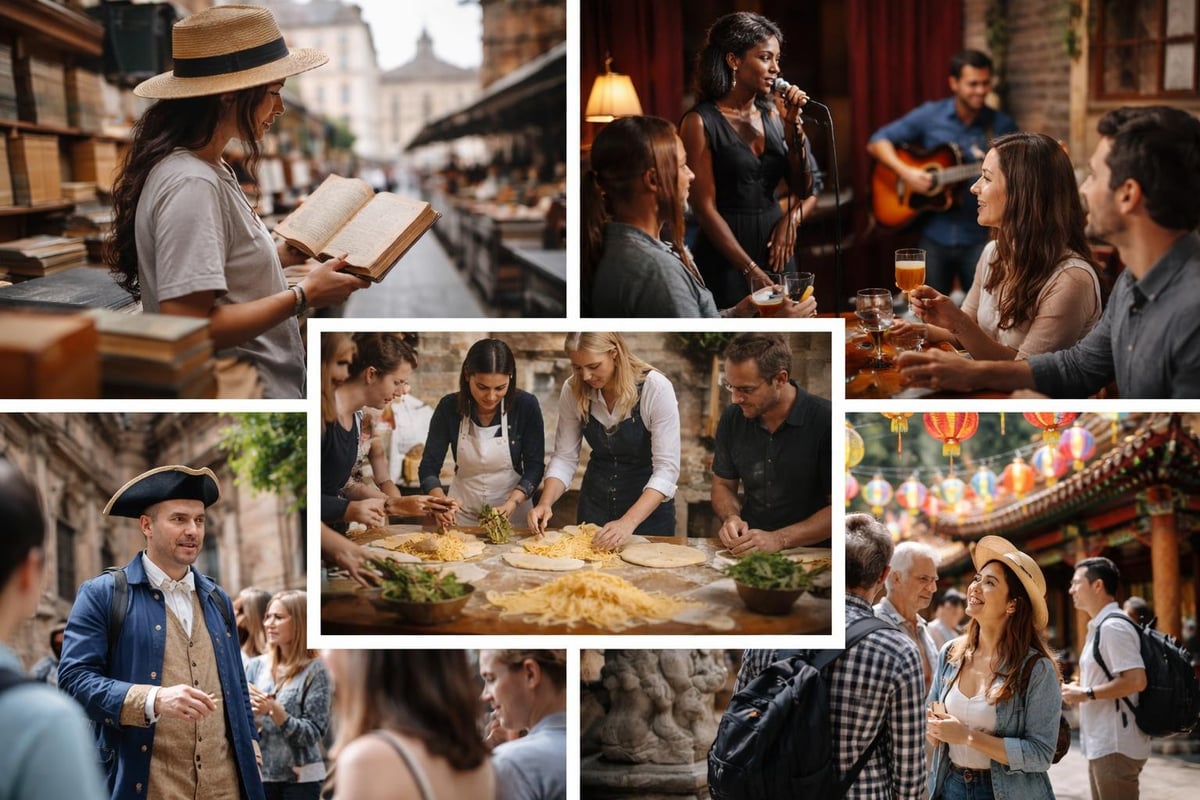
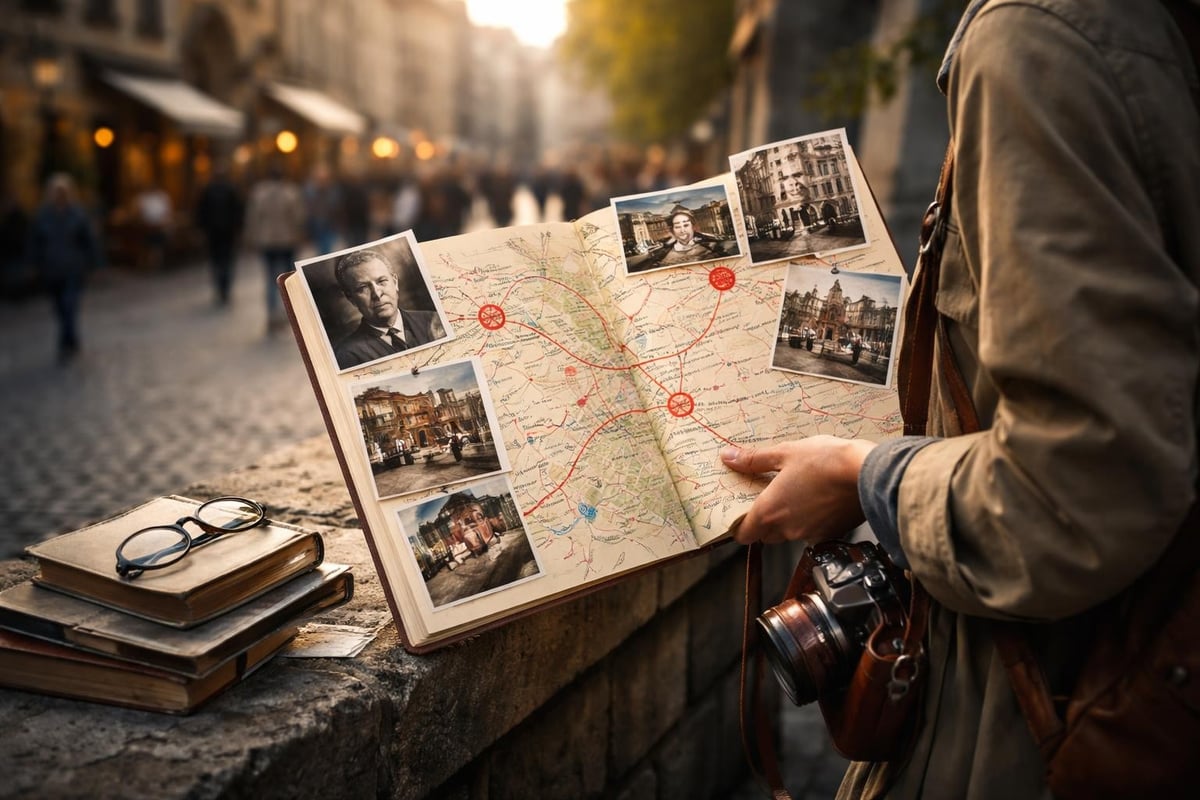
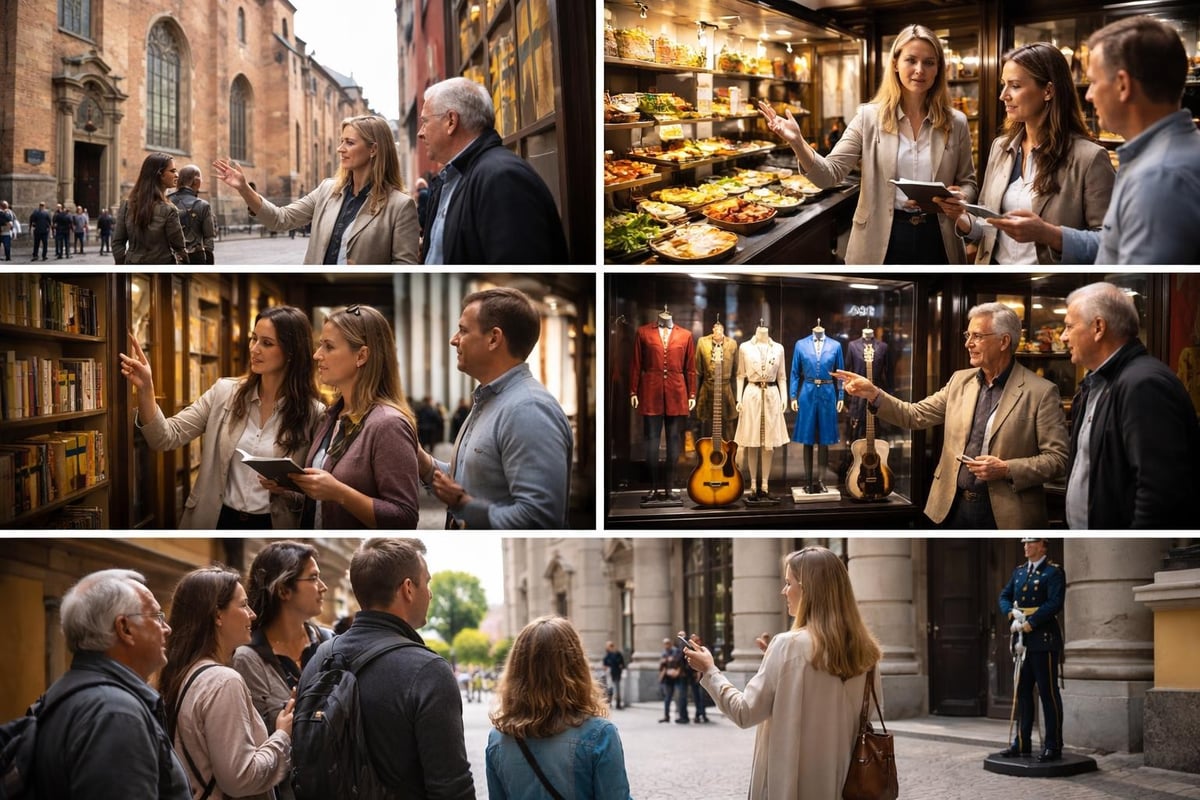
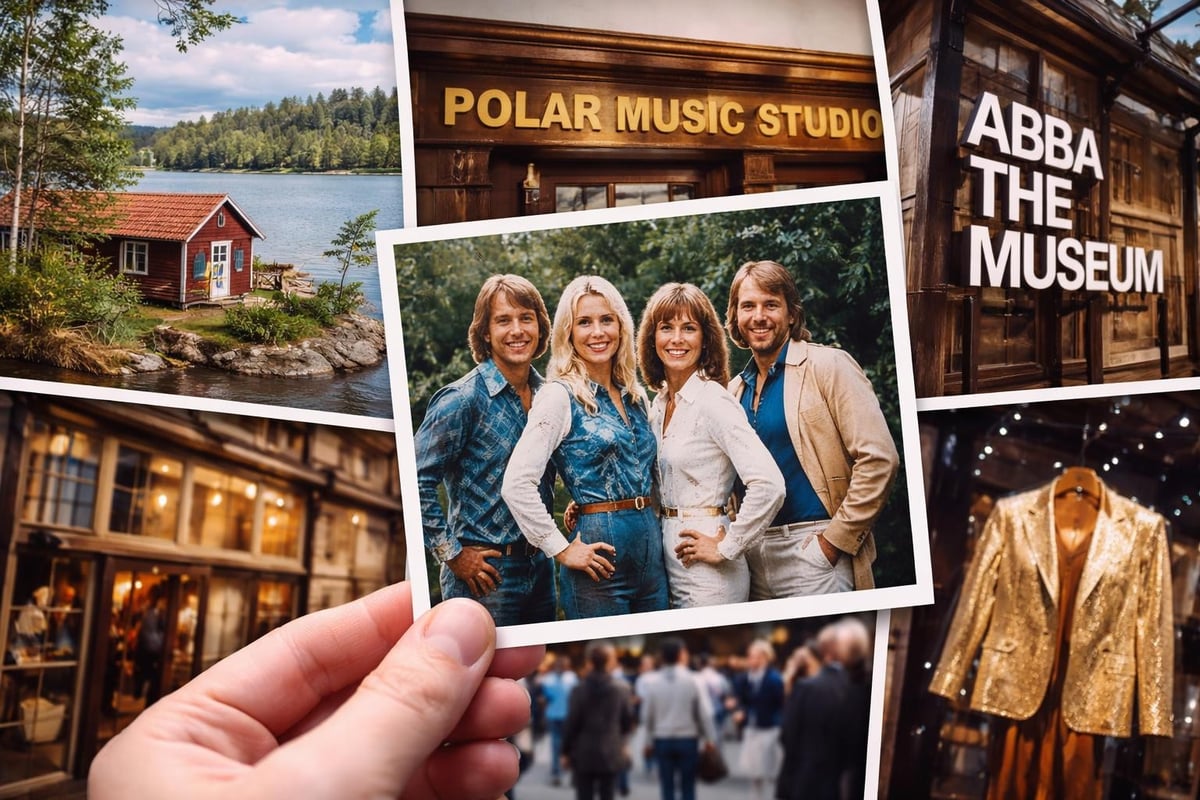
Specialized tours cater to specific interests, creating more engaging experiences than general overviews. Literary enthusiasts can follow Stieg Larsson's Millennium Trilogy locations, visiting actual sites that inspired scenes from "The Girl with the Dragon Tattoo." Music lovers discover Stockholm's connection to pop history through venues where ABBA recorded and performed.
Popular thematic experiences:
- Millennium Tour covering Södermalm cafes and neighborhoods
- Royal history focusing on palace intrigue and succession
- Design and innovation highlighting contemporary Swedish creativity
- Culinary adventures through traditional and modern Nordic cuisine
The ABBA Journey experience combines music history with authentic Swedish hospitality, including meals and opportunities to connect with international visitors sharing similar interests.
Seasonal Considerations for Tour Planning
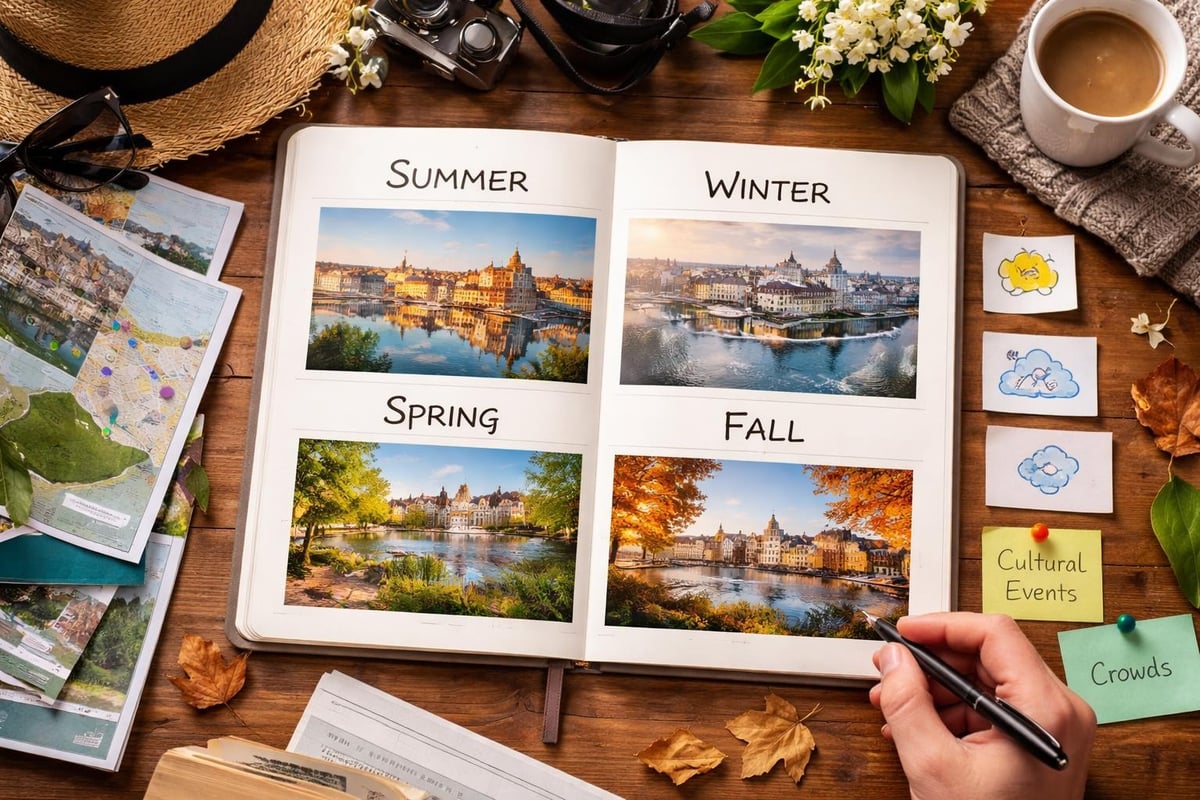
Stockholm's seasonal variations dramatically affect the visitor experience. Summer brings nearly twenty hours of daylight, enabling extended exploration but also attracting peak crowds. Winter darkness limits daylight to around six hours, yet creates opportunities for northern lights viewing and authentic Swedish winter traditions.
Spring and Fall Advantages
The shoulder seasons offer compelling benefits for savvy travelers. April through May and September through October provide moderate weather, smaller crowds, and lower accommodation costs. Spring brings cherry blossoms to Kungsträdgården, while autumn colors transform Djurgården into a photographer's paradise.
| Season | Average Temperature | Daylight Hours | Crowd Level | Best Activities |
|---|---|---|---|---|
| Winter (Dec-Feb) | -3°C to 2°C | 6 hours | Low | Christmas markets, ice skating |
| Spring (Mar-May) | 3°C to 15°C | 12-18 hours | Moderate | Blossom viewing, walking tours |
| Summer (Jun-Aug) | 15°C to 22°C | 18-20 hours | High | Archipelago trips, outdoor concerts |
| Fall (Sep-Nov) | 8°C to 15°C | 10-14 hours | Moderate | Museum visits, autumn colors |
Understanding these patterns helps visitors align their expectations with reality. National Geographic’s Stockholm guide provides additional seasonal insights for planning purposes.
Private Group Benefits and Customization
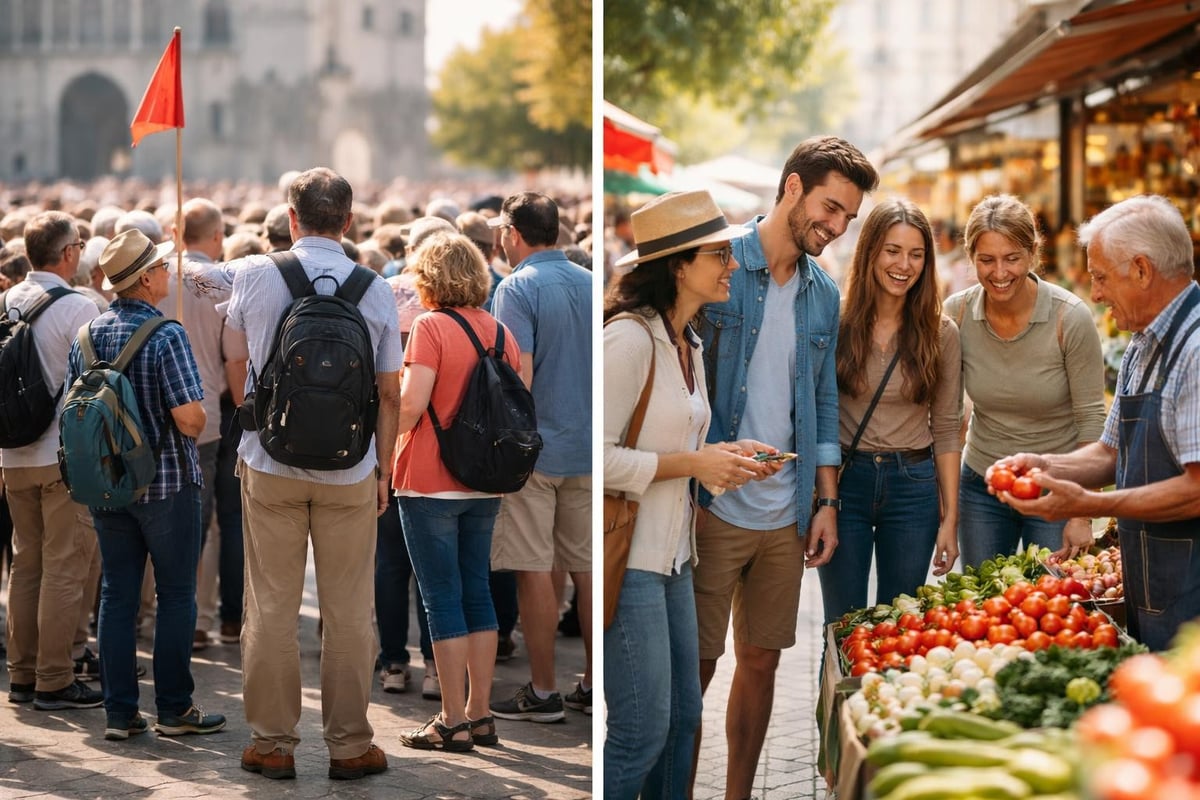
Standard group tours follow rigid schedules designed for diverse audiences, often missing specific interests. Private group experiences allow customization based on participant ages, mobility levels, interests, and pace preferences. Families with young children benefit from flexible timing and activity selection. Corporate groups combine team building with cultural education.
Tailoring Your Stockholm Experience
The guide Stockholm approach for private groups begins with understanding participant priorities. Some visitors prioritize historical depth, spending hours discussing medieval trade routes and political alliances. Others prefer broader coverage touching multiple periods and themes. Physical fitness levels determine walking distances and rest frequency.
Customization options include:
- Adjusting pace from leisurely to comprehensive coverage
- Incorporating specific dietary requirements for food tours
- Scheduling around nap times or energy levels
- Focusing on accessible routes for mobility challenges
- Integrating photography stops for enthusiast groups
Tailored tours transform the standard sightseeing model into personally meaningful experiences that align with your group's specific interests and needs.
Insider Access and Local Perspectives
Native English-speaking guides provide advantages beyond language proficiency. They understand cultural nuances that affect interpretation, explain Swedish social customs that puzzle outsiders, and share contemporary perspectives on historical events. This insider knowledge reveals layers invisible to those relying on guidebooks or audio tours.
Stories Behind the Landmarks
Every building, statue, and street name carries stories that guidebooks summarize but guides bring to life through anecdotes and context. The changing of the guard becomes more engaging when you understand Swedish military traditions and the ceremonial significance. Royal Palace rooms gain meaning through stories of the monarchs who inhabited them, their political challenges, and personal dramas.
Guides familiar with Swedish culture connect historical events to contemporary society, explaining how past decisions shape current Swedish attitudes toward equality, innovation, and environmental responsibility. These connections transform sightseeing into cultural education.
Practical Planning Considerations
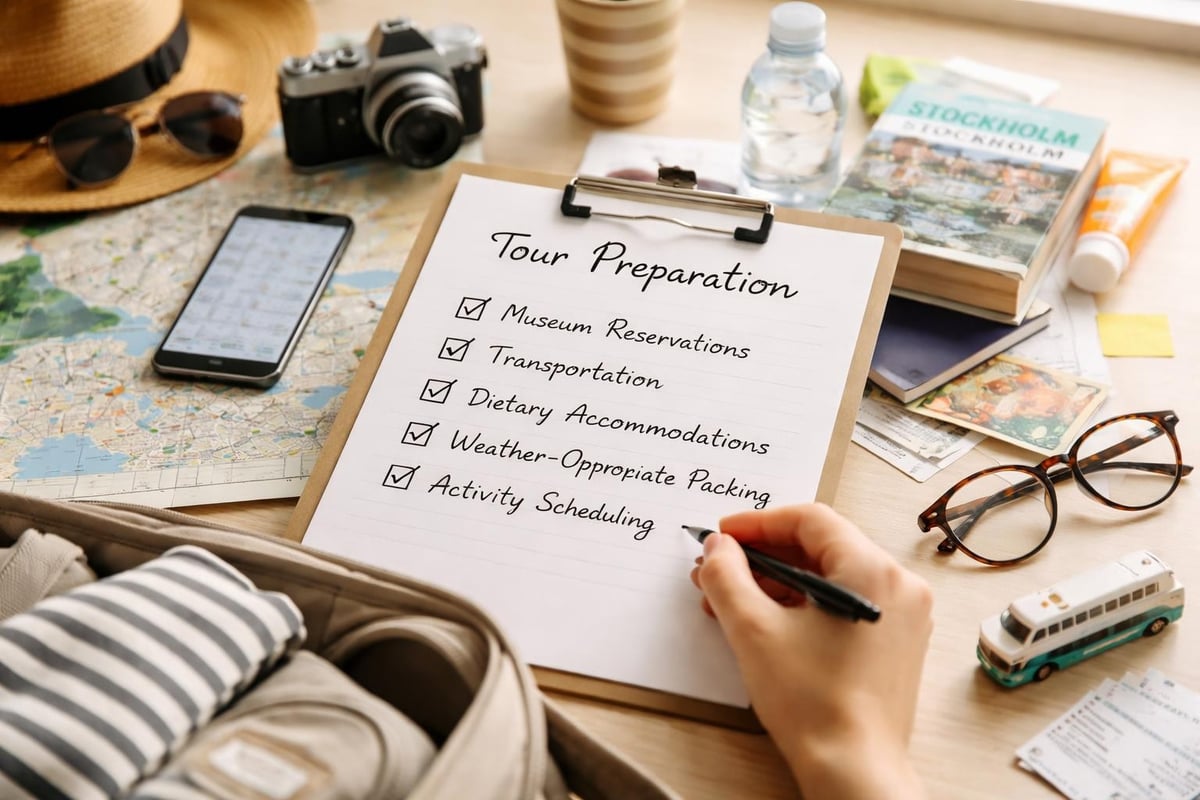
Successful Stockholm visits require advance planning for several aspects. Museum reservations, particularly for popular attractions during peak season, often sell out weeks ahead. Restaurant bookings for renowned Nordic cuisine establishments need similar lead time. Transportation passes should be purchased based on planned duration and district coverage.
Budgeting and Cost Management
Stockholm ranks among Europe's more expensive cities. Strategic planning helps manage costs without sacrificing experience quality. Many museums offer free admission on specific days or times. The Stockholm Pass provides access to multiple attractions at reduced combined cost. Picnic lunches using market ingredients cost significantly less than restaurant meals.
Cost-saving strategies:
- Book accommodations in shoulder seasons for reduced rates
- Use public transportation instead of taxis
- Mix paid attractions with free walking areas
- Shop for snacks at grocery stores rather than convenience shops
- Take advantage of included meals in specialized tour packages
The Forbes Travel Guide offers additional budgeting insights for luxury and mid-range travelers planning Stockholm visits.
Food and Dining Experiences
Swedish cuisine extends far beyond meatballs and lingonberries. Contemporary Nordic cooking emphasizes seasonal ingredients, traditional preservation methods, and innovative presentations. Fika, the Swedish coffee break tradition, represents an important cultural ritual worth experiencing at authentic cafes rather than tourist-focused chains.
Traditional and Modern Options
Traditional restaurants serve classic dishes like gravlax, herring preparations, and game meats. Modern establishments reinterpret these ingredients through new Nordic cuisine principles. Food halls provide opportunities to sample multiple vendors, accommodating diverse group preferences and dietary restrictions.
Must-try culinary experiences:
- Fika at a traditional konditori (pastry shop)
- Smörgåsbord sampling traditional Swedish preparations
- New Nordic dining at contemporary restaurants
- Market halls featuring local producers
- Cinnamon buns (kanelbullar) on Cinnamon Bun Day or any day
English walking tours often incorporate food stops, combining culinary education with neighborhood exploration for comprehensive cultural immersion.
Transportation and Accessibility
Stockholm prioritizes accessibility in public spaces and transportation. Most metro stations include elevators, buses feature low floors, and major attractions provide wheelchair access. However, Gamla Stan's medieval streets present challenges with cobblestones and stairs. Planning routes that accommodate mobility needs prevents disappointment and exhaustion.
Getting Around Efficiently
Understanding transportation zones and payment systems saves money and confusion. Zone A covers central Stockholm, while archipelago destinations require additional zones. The SL app provides journey planning and mobile tickets. Ferries accept the same payment cards as buses and metros, simplifying intermodal transfers.
| Transport Type | Coverage | Frequency | Cost Level | Accessibility |
|---|---|---|---|---|
| Metro (Tunnelbana) | City districts | 5-10 minutes | Moderate | High |
| Bus | Comprehensive | 10-20 minutes | Moderate | High |
| Ferry | Waterfront areas | 15-30 minutes | Moderate | Moderate |
| Tram | Limited routes | 10-15 minutes | Moderate | High |
The Stockholm walking tour approach minimizes transportation needs while maximizing authentic neighborhood experiences and spontaneous discoveries.
Weather Preparation and Clothing
Stockholm weather changes rapidly, even within single days. Layering becomes essential rather than optional. Summer evenings cool significantly despite extended daylight. Winter requires serious cold-weather gear including thermal layers, waterproof outer shells, and quality footwear with traction for icy conditions.
Seasonal Wardrobe Essentials
Spring and fall demand waterproof jackets and comfortable walking shoes that handle both rain and dry conditions. Summer visitors still need light jackets for evening activities and air-conditioned museums. Winter preparedness determines comfort levels during outdoor exploration and changing of the guard viewings.
Packing recommendations by season:
- Winter: Thermal base layers, insulated jacket, waterproof boots, hat and gloves
- Spring: Rain jacket, layers, versatile footwear
- Summer: Light jacket, sun protection, comfortable walking shoes
- Fall: Waterproof layers, warm accessories, sturdy shoes
Checking forecasts immediately before departure allows final adjustments, though Swedish weather sometimes defies predictions.
Making the Most of Limited Time
Short visits require prioritization based on personal interests rather than attempting comprehensive coverage. A well-planned two-day itinerary covering Gamla Stan, one major museum, and a specialized tour provides more satisfaction than rushing through ten attractions superficially. City tour Stockholm options streamline planning for time-constrained visitors seeking efficient yet meaningful experiences.
Sample Itinerary Structures
First-time visitors typically prioritize Gamla Stan, the Royal Palace, and Vasa Museum as foundational experiences. Return visitors explore specialized interests through thematic tours, neighborhood deep-dives, or archipelago excursions. Business travelers with limited free time benefit from concentrated evening or early morning options.
One-day essential route:
- Morning: Gamla Stan walking tour including Royal Palace
- Lunch: Traditional Swedish meal in Old Town
- Afternoon: Vasa Museum or thematic tour matching interests
- Evening: Södermalm neighborhood exploration with dinner
Three-day comprehensive approach:
- Day one: Gamla Stan, Royal Palace, Nobel Museum
- Day two: Djurgården museums, ABBA experience, waterfront walk
- Day three: Specialized thematic tour, neighborhood exploration, shopping
Multiple-day visits allow deeper exploration without exhaustion, creating space for spontaneous discoveries and rest periods.
Group Dynamics and Tour Management
Private group tours succeed when participant needs align with planned activities. Mixed-age groups require balancing adult interests with children's attention spans. Multi-generational families benefit from activities engaging both grandparents and grandchildren. Corporate groups need different pacing than friend reunions or couple getaways.
Enhancing Group Cohesion
Shared experiences create lasting memories and strengthen relationships. Tours designed for specific group types facilitate bonding through common interests. Literary tours attract book lovers who enjoy discussing themes and characters. Music-focused experiences bring together fans sharing similar tastes. Historical deep-dives engage those passionate about understanding past events.
The guide Stockholm philosophy emphasizes creating connections between participants and the city, but also among group members themselves, transforming tours into relationship-building opportunities rather than mere sightseeing.
Planning a memorable Stockholm experience combines logistical preparation with openness to authentic cultural immersion, whether you're walking medieval alleys, exploring literary landmarks, or discovering ABBA's musical heritage. Adding:tours specializes in creating personalized experiences for private groups and small gatherings, with native English-speaking guides who provide insider access and tailored itineraries matching your specific interests. From classic Old Town walks to creative thematic adventures, we transform your Stockholm visit into something truly special through expertise, flexibility, and genuine passion for sharing our city.