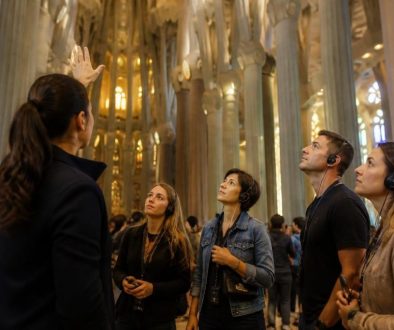
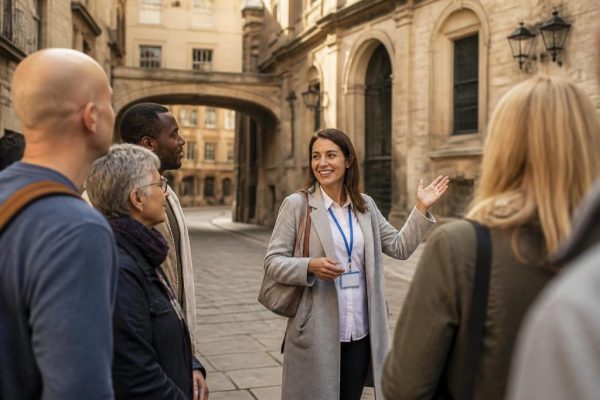
City Tour Guide: Essential Skills & Best Practices 2026
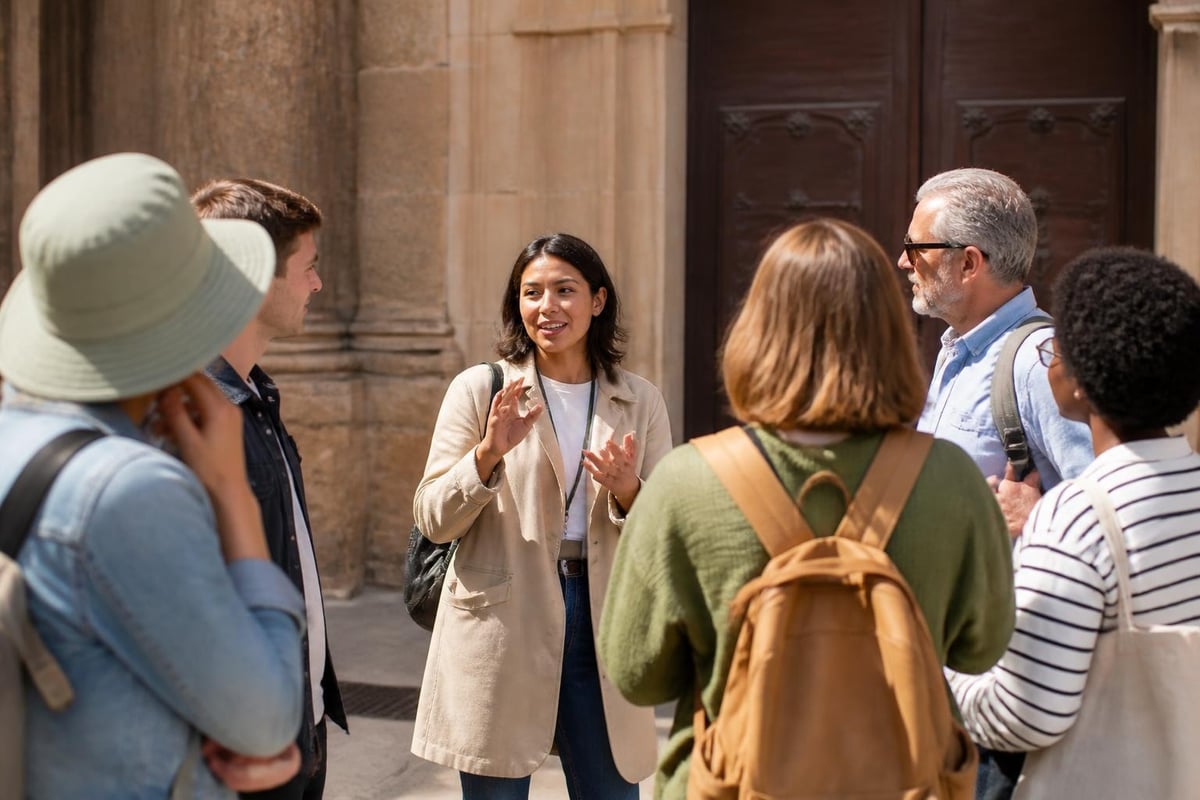
A city tour guide serves as the bridge between a destination's rich history, culture, and the travelers eager to discover its hidden gems. In 2026, the role has evolved beyond simply reciting facts and dates. Today's guides must be storytellers, cultural ambassadors, and experience designers who transform ordinary sightseeing into unforgettable journeys. Whether leading intimate groups through medieval streets or creating themed adventures around literary landmarks, the modern city tour guide combines expertise, personality, and adaptability to deliver exceptional value.
The Evolution of City Tour Guiding
The tourism industry has undergone significant transformation over the past decade. Travelers no longer seek cookie-cutter experiences or rushed itineraries that pack too many sites into too little time. Instead, they crave authentic connections, insider perspectives, and personalized interactions that make them feel like locals rather than tourists.
This shift has redefined what it means to be an effective city tour guide. Traditional qualifications still matter, but soft skills like emotional intelligence, adaptability, and creative problem-solving have become equally important. The best practices for tour guides now emphasize creating meaningful moments over mere information delivery.
Understanding Your Audience
Every group brings unique expectations, interests, and energy levels. Successful guides invest time before each tour to understand who they'll be hosting. Are they history enthusiasts, architecture lovers, or families with young children? This knowledge shapes everything from pacing to storytelling approach.
Pre-Tour Research Checklist:
- Group size and composition
- Age ranges and mobility considerations
- Special interests or requests
- Cultural backgrounds and language preferences
- Previous travel experiences
- Time constraints and scheduling needs
Small group experiences naturally allow for deeper personalization. When working with private gatherings, guides can adjust routes mid-tour, spend extra time at locations that resonate, and skip elements that don't align with the group's interests.
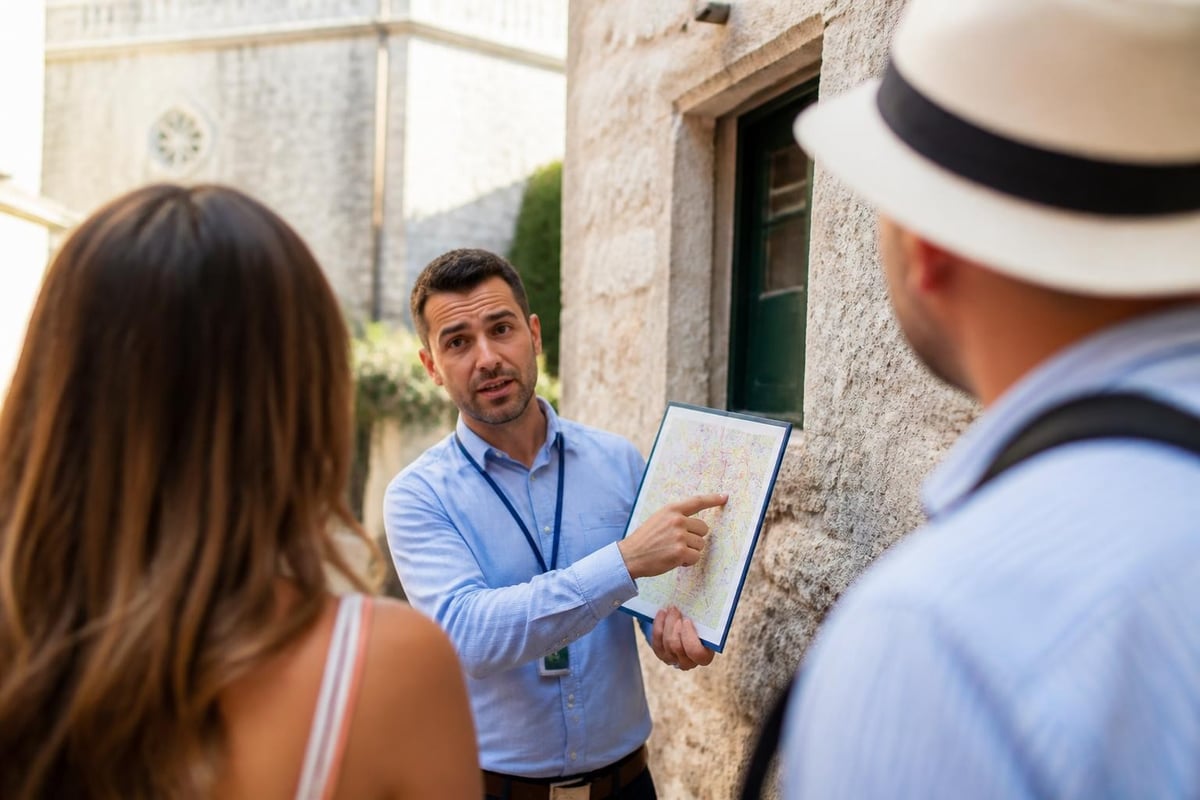
Essential Skills for Modern City Tour Guides
The foundation of excellent guiding rests on several core competencies. These skills separate mediocre experiences from transformative ones that guests remember for years.
Knowledge and Expertise
Deep local knowledge remains non-negotiable. A city tour guide must master historical facts, architectural details, cultural context, and contemporary developments. However, breadth matters as much as depth. Guides should comfortably discuss various topics from politics to cuisine, literature to local legends.
Building this knowledge base requires ongoing education. Reading historical accounts, attending local events, networking with historians and long-time residents, and constantly updating information ensures accuracy and relevance. Innovative strategies for successful city tours emphasize the importance of continuous learning and staying current with destination developments.
| Knowledge Category | Examples | Update Frequency |
|---|---|---|
| Historical Facts | Key dates, events, figures | Quarterly review |
| Current Affairs | Local news, developments | Weekly |
| Cultural Insights | Traditions, customs, etiquette | Ongoing |
| Practical Information | Restaurant tips, transportation | Monthly |
Communication and Storytelling
Facts alone don't create memorable experiences. The way a city tour guide presents information determines whether guests stay engaged or mentally check out. Effective communication combines clear articulation, appropriate pacing, and dynamic delivery that matches the environment and audience.
Storytelling transforms dates and names into narratives that resonate emotionally. Instead of stating "This building was constructed in 1645," a skilled guide might say, "Imagine standing here in 1645, when craftsmen laid these stones while the Thirty Years' War still raged across Europe, and this neighborhood bustled with merchants trading goods from distant lands."
Storytelling Techniques:
- Use sensory details to bring scenes alive
- Connect historical events to relatable human experiences
- Incorporate local characters and personal anecdotes
- Create narrative arcs with beginnings, middles, and endings
- Pause strategically for emphasis and reflection
When leading Stockholm city tours, guides who weave together Viking heritage, royal intrigue, and modern Swedish innovation create richer context than those who treat each era as isolated facts.
Practical Tour Management
Behind every smooth tour lies meticulous planning and on-the-ground execution. Professional guides master the logistics that keep experiences running seamlessly while remaining invisible to guests.
Route Planning and Timing
Successful routes balance must-see highlights with hidden discoveries. They account for walking distances, crowd patterns, accessibility needs, and natural rest points. A city tour guide must anticipate bottlenecks, know alternative routes when construction blocks the main path, and time arrivals to avoid overwhelming crowds.
Creating timeline frameworks helps maintain structure while allowing flexibility. For a three-hour Stockholm walking tour, allocate specific minutes to each stop, build in buffer time, and identify optional elements that can be added or removed based on group pace.
Sample Timeline Structure:
- Introduction and orientation (10 minutes) – Set expectations, explain logistics
- First major stop (20 minutes) – Strong opening with engaging story
- Walking transition (8 minutes) – Share shorter anecdotes en route
- Second highlight (25 minutes) – Deep dive into significant location
- Rest break (10 minutes) – Natural pause at scenic spot
- Final segments (remaining time) – Flexible based on group energy
Group Management Techniques
Keeping groups together, ensuring everyone hears, and maintaining engagement across diverse personalities requires specific skills. Professional guides develop systems for headcounts, establish clear meeting points, and use voice projection techniques appropriate to each environment.
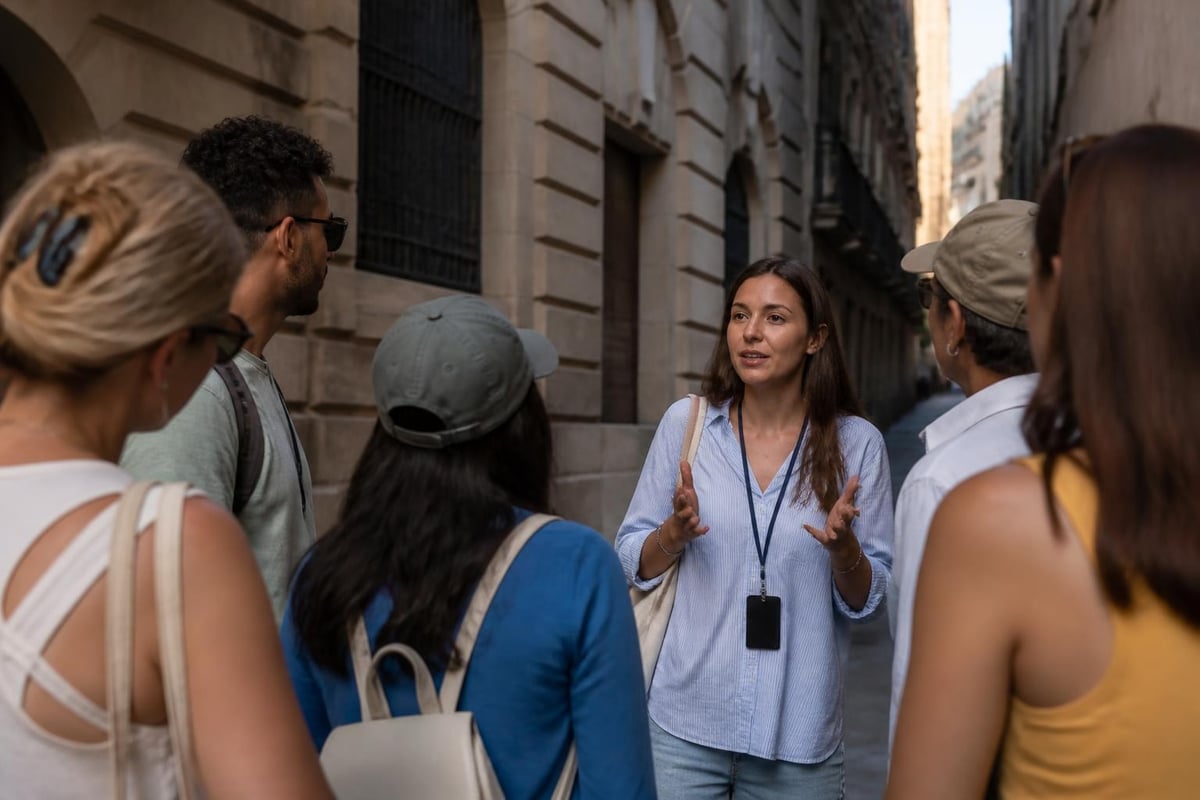
Technology assists but shouldn't replace human connection. Some guides use wireless audio systems for larger groups, while intimate private tours benefit from natural conversation. The key is ensuring every participant feels included and can comfortably experience the tour.
Creating Specialized Tour Experiences
Generic sightseeing no longer captivates discerning travelers. Specialized tours around specific themes attract passionate audiences and allow guides to showcase deeper expertise.
Thematic Tours and Niche Markets
Literary tours, culinary experiences, architectural walks, and music-themed journeys create focused experiences that appeal to specific interests. A city tour guide specializing in Scandinavian crime fiction, for instance, might lead guests through locations from Stieg Larsson's "Millennium" trilogy, discussing not just the books but also Swedish society and Stockholm's evolution.
The ABBA tour concept demonstrates how music tourism creates unique value. By combining biographical storytelling, location visits, and social dining experiences, this specialized approach transforms fans into deeply engaged participants rather than passive observers.
Popular Theme Categories:
- Literary and film locations – Following fictional characters through real settings
- Culinary journeys – Food history, market visits, tasting experiences
- Architecture and design – Style periods, famous architects, urban planning
- Music and arts – Venues, artist histories, cultural movements
- Historical periods – Medieval walks, war history, industrial heritage
Balancing Education and Entertainment
The best city tour guide understands that learning and enjoyment aren't competing goals. Educational content delivered entertainingly creates lasting impact. Humor, interactive elements, and participatory activities keep energy high while conveying substantial information.
Questions engage minds more effectively than monologues. "Why do you think they built the city walls here?" invites critical thinking. "Notice anything unusual about this building's facade?" encourages observation. These techniques transform tours into dialogues rather than lectures.
Professional Development and Standards
Excellence in tour guiding requires ongoing investment in skills, knowledge, and professional credentials. The industry offers various pathways for growth and recognition.
Training and Certification
While natural talent helps, structured training develops consistent quality. Programs covering history, communication, safety protocols, and business practices prepare guides for professional success. The International Tour Management Institute’s certification programs provide comprehensive training that enhances credibility and competence.
Many cities require official licensing that demonstrates historical knowledge and regulatory compliance. Beyond mandatory requirements, voluntary certifications signal commitment to excellence. Professional tour guide development includes both formal education and experiential learning through mentorship and practice.
| Credential Type | Focus Areas | Career Impact |
|---|---|---|
| City Licensing | Local history, regulations | Required for legal operation |
| Professional Certification | Industry standards, best practices | Enhanced credibility |
| Specialized Training | Niche topics, advanced skills | Market differentiation |
| Language Certifications | Fluency, cultural competency | International opportunities |
Essential Qualities of Exceptional Guides
Technical knowledge means little without the personal qualities that create rapport and trust. The characteristics of good tour guides consistently include enthusiasm, reliability, cultural sensitivity, and genuine care for guest experiences.
Core Personal Attributes:
- Passion and enthusiasm – Genuine excitement that proves contagious
- Patience and flexibility – Adapting to unexpected situations gracefully
- Cultural awareness – Respecting diverse backgrounds and perspectives
- Physical stamina – Maintaining energy throughout long days
- Problem-solving ability – Handling challenges without guest disruption
A city tour guide who embodies these qualities transforms ordinary tours into extraordinary experiences. When leading English walking tours for international visitors, cultural sensitivity and clear communication become particularly crucial.
Building Your Tour Business
For independent guides or tour companies, delivering excellent experiences is only part of success. Business acumen, marketing savvy, and operational efficiency determine long-term viability.
Hiring and Team Development
Growing beyond solo operations requires building a team that shares quality standards. Best practices for hiring tour guides emphasize defining clear job responsibilities, competitive compensation, and thorough interview processes that assess both knowledge and personality fit.
Training new guides extends beyond content delivery. Shadow programs, feedback sessions, and ongoing coaching ensure consistency across all tours. Regular team meetings allow guides to share insights, troubleshoot challenges, and maintain enthusiasm.
Marketing and Guest Acquisition
Even the most talented city tour guide needs effective marketing to reach potential guests. Digital presence, guest reviews, partnerships with hotels and travel agencies, and social media engagement all contribute to visibility and bookings.
Specialized offerings like Stockholm Old Town walking tours benefit from SEO-optimized descriptions, compelling photography, and authentic testimonials. Content marketing through blogs, videos, and social posts establishes expertise while providing value before tours even begin.
Marketing Channels by Priority:
- Review platforms – TripAdvisor, Google Reviews, travel forums
- Website and SEO – Direct bookings, information hub
- Social media – Instagram, Facebook for visual storytelling
- Partnership programs – Hotels, cruise lines, travel agencies
- Email marketing – Past guest retention, referral encouragement
Adapting to Seasonal and Situational Challenges
City tour guiding involves working across varying conditions and circumstances. Adaptability separates professionals from amateurs.
Weather and Environmental Factors
Rain, extreme temperatures, and seasonal variations require preparation and flexibility. A city tour guide must have contingency plans for indoor alternatives, shortened routes during heat waves, and weather-appropriate pacing. Communication about realistic expectations helps guests come prepared and maintain positive attitudes despite conditions.
Stockholm's climate presents particular challenges with dark winters and midnight sun summers. Tours must adapt timing, content emphasis, and even storytelling themes to match seasonal contexts and available daylight.
Managing Difficult Situations
Despite careful planning, unexpected challenges arise. Lost participants, medical issues, closures of planned stops, or disruptive group members require calm, professional responses. Training in first aid, conflict resolution, and crisis management prepares guides to handle these situations while maintaining overall tour quality.
Technology Integration for Enhanced Experiences
Modern city tour guides leverage technology strategically to augment rather than replace human connection. Tools should enhance storytelling and information delivery without creating barriers between guide and guests.
Useful Digital Tools
Mobile apps provide maps, translation assistance, and quick fact-checking. Portable audio systems ensure everyone hears clearly in noisy environments. Photography and social media integration allows guests to capture and share experiences, extending tour impact beyond the immediate experience.
However, technology should never dominate. The most valuable element remains the guide's presence, knowledge, and ability to read the room and adjust accordingly. When leading guided vacation packages, personal interaction creates the premium value that guests can't find through apps or audio guides alone.
Technology Best Practices:
- Use audio systems for groups exceeding 8-10 people
- Keep phone use minimal and purpose-driven
- Provide digital resources post-tour rather than during
- Leverage translation apps only when necessary
- Avoid letting screens replace eye contact and engagement
Measuring Success and Continuous Improvement
Professional growth requires honest assessment and commitment to ongoing refinement. The best city tour guide continually evaluates performance and seeks improvement opportunities.
Gathering and Utilizing Feedback
Guest reviews provide valuable insights into strengths and areas needing development. Both formal surveys and informal conversations reveal what resonates and what falls flat. Patterns across multiple tours identify systematic improvements worth implementing.
Peer observation and professional feedback from fellow guides offer perspectives guests might not articulate. Participating in guide communities, attending industry conferences, and studying practical tips for tour guides keeps skills sharp and introduces new approaches.
| Feedback Source | Frequency | Action Items |
|---|---|---|
| Guest Reviews | After each tour | Immediate tactical adjustments |
| Peer Observations | Quarterly | Skill development focus areas |
| Self-Reflection | Weekly | Personal performance notes |
| Industry Resources | Monthly | New techniques and trends |
Setting Professional Goals
Clear objectives drive improvement. Whether mastering a new tour theme, improving storytelling skills, expanding language capabilities, or growing business metrics, specific goals create accountability and direction.
A city tour guide might target increasing average review scores, expanding tour offerings to new neighborhoods, or achieving professional certification within a defined timeframe. Regular progress assessment ensures continued movement toward excellence.
Exceptional city tour guides combine extensive knowledge, compelling storytelling, logistical mastery, and genuine passion for sharing their cities with visitors. By investing in continuous learning, embracing personalization, and maintaining professional standards, guides create transformative experiences that turn first-time visitors into devoted advocates. Whether you're planning your Stockholm adventure or seeking an authentic local perspective, Adding:tours offers personalized experiences with native English-speaking guides who bring insider access and creative approaches to every journey, from classic Old Town walks to unique ABBA adventures and literary explorations.