Guide a Tour: Essential Steps for Success in 2026
The ability to guide a tour successfully requires a unique combination of knowledge, interpersonal skills, and meticulous planning. Whether you're leading visitors through Stockholm's medieval Old Town or sharing the cultural heritage of a destination, the role demands constant attention to detail and genuine passion for creating meaningful experiences. As the tourism industry continues to evolve in 2026, understanding the fundamentals of tour leadership has become more critical than ever for both independent guides and established tour companies.
Understanding Your Role as a Tour Leader
When you guide a tour, you serve as more than just an information source. You become a storyteller, safety manager, cultural ambassador, and problem solver all at once. The modern tour guide must balance historical accuracy with entertainment value while ensuring every guest feels included and engaged throughout the experience.
Core responsibilities include:
- Managing group dynamics and individual needs
- Maintaining schedule adherence without rushing the experience
- Ensuring safety protocols are followed at all locations
- Adapting content delivery based on audience feedback
- Creating memorable moments that exceed expectations
The role of good tour guides extends far beyond reciting facts. You're shaping how visitors perceive an entire destination, making your influence both significant and lasting.
Preparation and Research
Before you guide a tour, thorough preparation separates exceptional experiences from mediocre ones. Research extends beyond memorizing dates and names; it involves understanding context, discovering hidden stories, and anticipating questions your guests might ask.
Successful guides develop comprehensive knowledge in several areas:
- Historical and cultural context – Understanding the broader narrative surrounding specific sites
- Current events – Connecting past to present for relevance
- Local insider tips – Knowing the best photo spots, restrooms, and cafes
- Alternative routes – Preparing backup plans for closures or crowds
- Accessibility information – Ensuring you can accommodate diverse mobility needs
Creating detailed preparation materials helps maintain consistency. Many experienced guides maintain what tour operators call "cheat sheets" that outline key talking points, timing benchmarks, and critical safety information. These tour guide best practices ensure you deliver quality experiences even when unexpected situations arise.
Mastering Communication and Storytelling
The way you guide a tour depends heavily on your communication abilities. Clear articulation, appropriate volume, and strategic pacing keep audiences engaged while ensuring comprehension across diverse groups with varying language proficiencies.
Developing Your Narrative Voice
Storytelling transforms facts into experiences. Rather than stating "This building was constructed in 1520," consider: "Imagine Stockholm in 1520, when craftsmen laid these very stones by hand, not knowing their work would still stand five centuries later." This approach creates emotional connections that visitors remember long after the tour concludes.
| Communication Element | Purpose | Implementation |
|---|---|---|
| Voice projection | Ensure all guests hear clearly | Practice speaking from diaphragm, use amplification when needed |
| Pacing | Maintain engagement without overwhelming | Vary speed, include pauses for absorption |
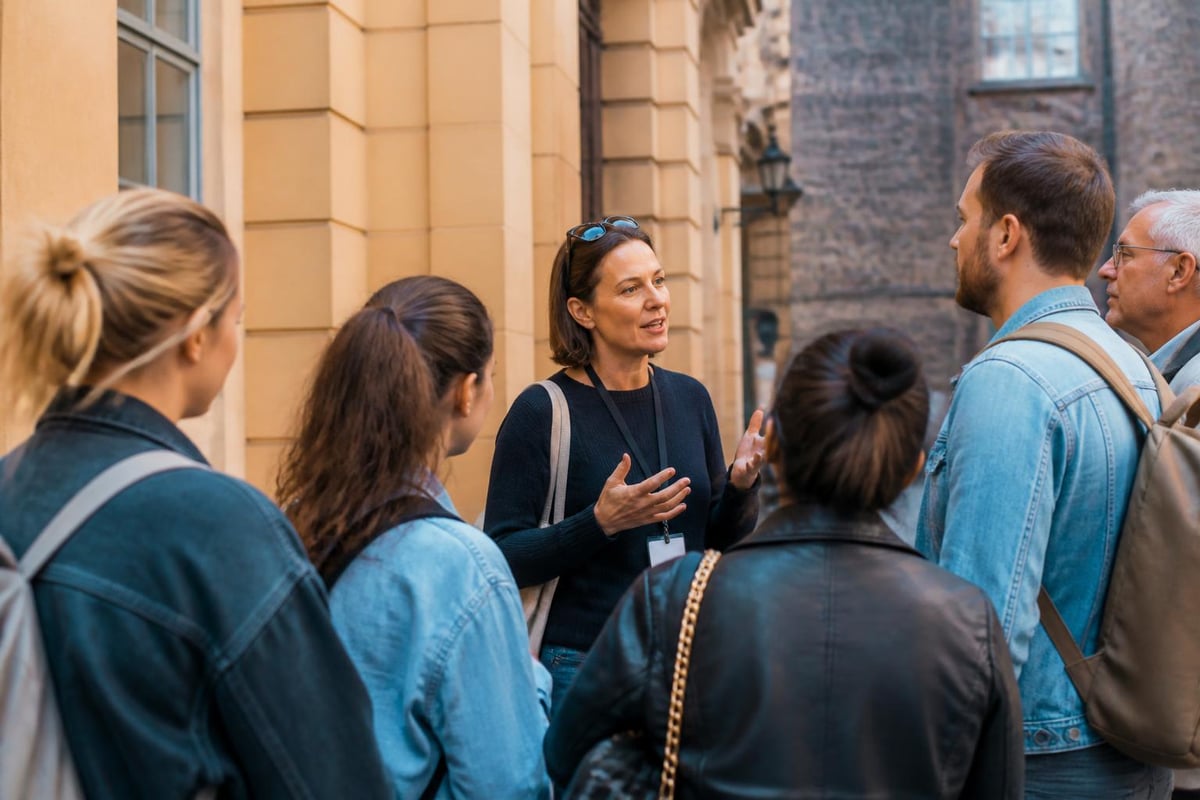
| Body language | Emphasize points, direct attention | Use gestures purposefully, maintain open posture |
| Eye contact | Build connection, gauge understanding | Rotate attention across the entire group |
When developing English walking tours, consider that international visitors appreciate clear enunciation and reasonable speaking speeds. Avoid idioms or cultural references that might confuse non-native speakers.
Managing Group Dynamics Effectively
Every group presents unique dynamics that influence how you guide a tour. Family gatherings require different approaches than corporate team-building events or solo travelers joining group experiences. Reading the room and adjusting your delivery accordingly demonstrates professional expertise.
Strategies for different group types:
- Families with children – Incorporate interactive elements, ask questions, allow brief exploration time
- Corporate groups – Focus on efficiency, professional photography opportunities, networking moments
- Small private gatherings – Offer deeper customization, respond to specific interests
- Mixed international groups – Find universal themes, avoid culturally specific assumptions
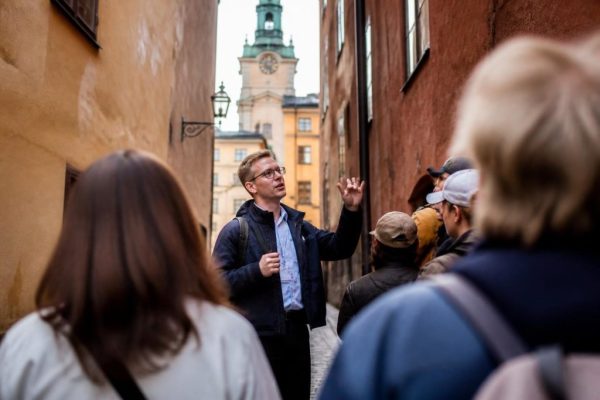
The Old Town walking tour exemplifies how guides adapt content based on group composition while maintaining the essential narrative structure that makes the experience valuable.
Handling Challenging Situations
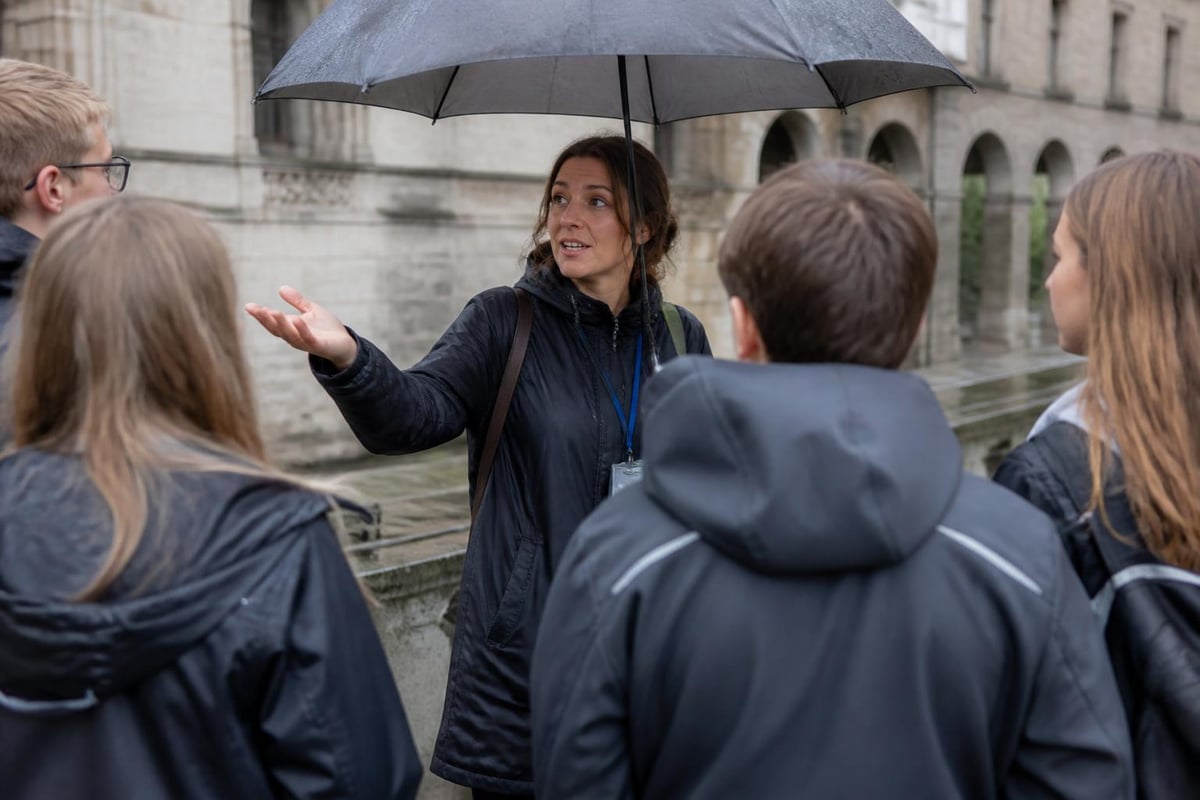
When you guide a tour, unexpected challenges inevitably arise. Weather changes, medical situations, difficult participants, or venue closures require quick thinking and professional composure. Experienced guides develop contingency plans for common scenarios while remaining flexible enough to handle unique situations.
Maintaining calm authority helps groups feel secure even when plans change. Instead of expressing frustration about a closed site, pivot smoothly: "While we can't enter today, this gives us extra time at another incredible location nearby that many visitors miss entirely."
Incorporating Safety and Accessibility
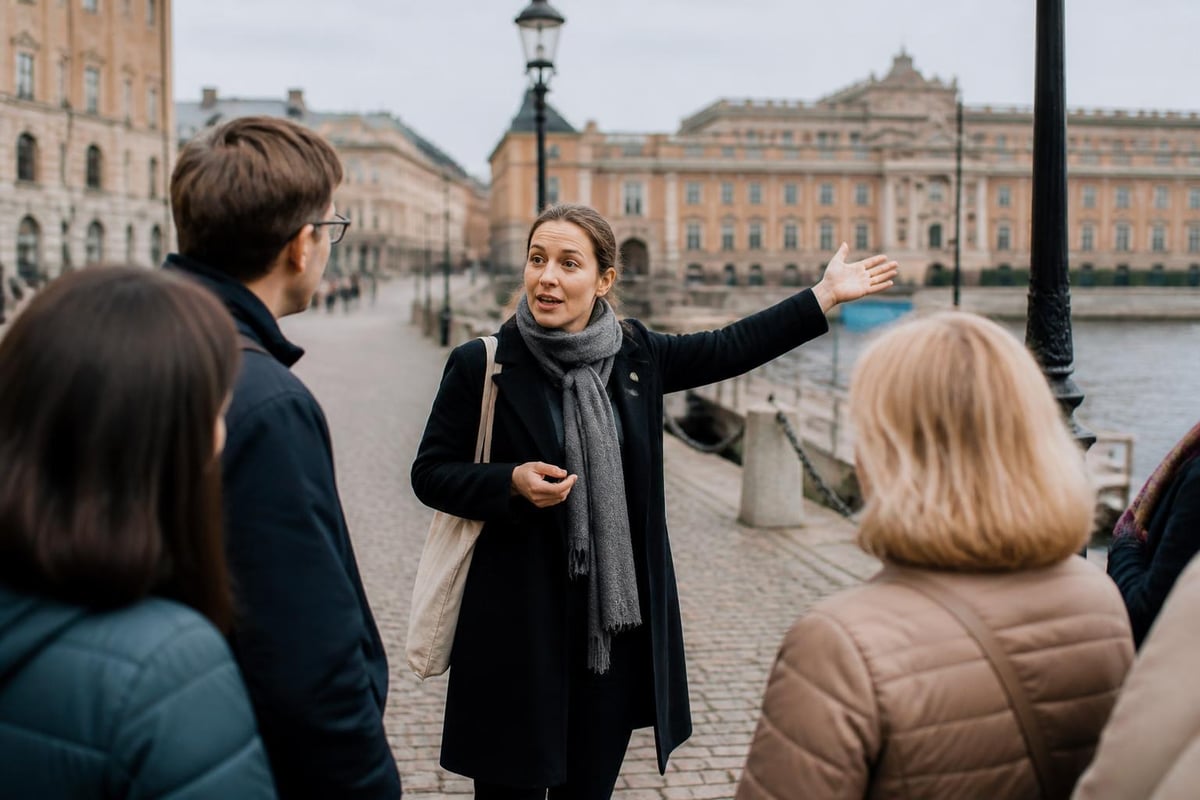
Professional guides prioritize guest safety without making security measures feel intrusive or alarming. When you guide a tour through urban environments like Stockholm, awareness of traffic patterns, uneven surfaces, and crowd management becomes essential.
Creating Inclusive Experiences
Inclusive best practices for guided tours emphasize designing experiences that accommodate diverse physical abilities, learning styles, and cultural backgrounds. This approach expands your potential audience while demonstrating professional excellence.
Consider these accessibility factors:
- Physical access – Scout routes for wheelchair accessibility, rest opportunities
- Sensory considerations – Provide visual and auditory descriptions, avoid overwhelming environments
- Cognitive engagement – Offer multiple ways to absorb information (verbal, visual, hands-on)
- Cultural sensitivity – Respect diverse backgrounds, avoid assumptions
- Pacing flexibility – Build buffer time for varying mobility speeds
When designing Stockholm city tours, incorporating these elements from the planning stage ensures smoother execution than attempting accommodations reactively.
Leveraging Technology and Tools
Modern guides blend traditional storytelling with contemporary technology to enhance how they guide a tour. Mobile apps, digital maps, and communication devices support rather than replace the human element that makes guided experiences valuable.
Essential technology tools:
- Communication devices – Wireless headset systems for groups over ten people
- Navigation apps – Real-time route adjustments, traffic awareness
- Translation tools – Quick assistance with language barriers
- Photography apps – Help guests capture perfect shots with lighting and composition tips
- Weather monitoring – Anticipate conditions, adjust plans proactively
However, technology should enhance rather than dominate the experience. Guests join guided tours for human connection and expertise that apps cannot replicate. The balance between digital tools and personal interaction defines successful modern tour leadership.
Building Your Expertise and Reputation
To guide a tour with authority requires continuous learning and professional development. The tourism industry evolves constantly, with new research revealing fresh historical perspectives, urban development changing landscapes, and visitor expectations shifting with cultural trends.
Specialization Opportunities
Developing niche expertise differentiates you in competitive markets. Stockholm offers numerous specialization possibilities, from architectural history to literary tourism. The ABBA journey demonstrates how focused themes attract dedicated audiences willing to invest in deeper experiences.
Consider these specialization paths:
| Specialization | Target Audience | Unique Value |
|---|---|---|
| Literary tours | Book enthusiasts, cultural travelers | Connect fiction to real locations |
| Architectural history | Design professionals, history buffs | Technical knowledge with aesthetic appreciation |
| Culinary experiences | Food lovers, cultural explorers | Taste-based storytelling, local connections |
| Photography tours | Hobbyist and professional photographers | Technical guidance, exclusive vantage points |
Professional growth also involves understanding what to look for when hiring tour guides, as these qualities represent the standards you should continuously develop in yourself.
Timing and Logistics Management
When you guide a tour, timing discipline ensures you deliver the complete promised experience without rushing important moments. Successful guides develop internal clocks that track progress while remaining flexible enough to extend particularly engaging discussions.
Creating Effective Timelines
Breaking tours into timed segments helps maintain structure. For a three-hour Stockholm walking tour, you might allocate:
- Introduction and orientation (10 minutes) – Set expectations, safety briefing, group bonding
- First major site (40 minutes) – Detailed exploration, primary storytelling
- Transition walk (15 minutes) – Light commentary, rest opportunity
- Second major site (35 minutes) – Complementary narrative to first location
- Interactive segment (25 minutes) – Questions, photo opportunities, local recommendations
- Third location (30 minutes) – Culminating experience, synthesis of themes
- Conclusion (15 minutes) – Summary, recommendations, farewells
Building buffer time between segments accommodates slower walkers, unexpected delays, or moments worth extending. Professional guides make timing appear effortless even when actively managing the clock.
Engagement Techniques That Work
Maintaining engagement throughout the entire experience challenges even veteran guides. When you guide a tour lasting several hours, attention naturally fluctuates. Strategic techniques recapture focus during predictable low-energy periods.
Proven engagement methods:
- Interactive questions – "What do you notice about this building's windows?" rather than simply explaining
- Personal anecdotes – Brief stories connecting you to the location create relatability
- Strategic pauses – Silence allows guests to absorb surroundings and formulate questions
- Movement variation – Alternating between standing and walking maintains physical engagement
- Sensory elements – "Listen to how sounds echo differently here" engages multiple senses
The practical tips for tour guides emphasize that variety in delivery methods prevents monotony. Your energy level directly influences group enthusiasm, making self-care and genuine passion essential for consistent performance.
Professional Development and Networking
Career growth in tour leadership extends beyond improving how you guide a tour. Building relationships with other tourism professionals, staying current with industry trends, and understanding business operations contribute to long-term success.
Continuous Learning Opportunities
Formal training programs, certification courses, and peer learning groups help guides refine techniques and expand knowledge. Many successful guides regularly participate in:
- Industry conferences – Network with peers, learn emerging trends
- Historical societies – Access research, connect with academic experts
- Language courses – Expand ability to serve international guests
- First aid training – Update safety skills, maintain certifications
- Technology workshops – Master new tools enhancing tour delivery
Understanding how to become a tour guide provides perspective on the full career journey, from entry-level positions to senior leadership roles within tourism companies.
Customization and Personalization
Generic tours no longer satisfy modern travelers seeking authentic, personalized experiences. When you guide a tour for private groups or small gatherings, customization opportunities multiply. Learning guest interests beforehand allows you to emphasize relevant aspects while minimizing less pertinent information.
Professional tour guides excel at reading subtle cues indicating interest levels and adjusting accordingly. If architecture generates excitement, expand those discussions while condensing other segments. This responsiveness creates memorable experiences that guests enthusiastically recommend.
Balancing Structure with Flexibility
While customization enhances value, maintaining foundational structure ensures you deliver on core promises. The framework remains consistent; the emphasis shifts based on audience. This balance requires experience but dramatically improves guest satisfaction.
Customization strategies:
- Pre-tour questionnaires revealing specific interests
- Opening conversation establishing group dynamics
- Mid-tour check-ins ensuring satisfaction
- Flexible routing allowing spontaneous discoveries
- Post-tour recommendations personalized to expressed preferences
Guest Relations and Service Excellence
When you guide a tour, you represent not just yourself but the entire destination. Every interaction shapes how visitors perceive the location, influencing their likelihood to return or recommend the experience to others.
Exceptional service involves anticipating needs before guests articulate them. Noticing someone struggling with bags and offering assistance, identifying family members who might appreciate photography help, or recognizing when someone needs a restroom break demonstrates attentive professionalism.
Managing Expectations
Clear communication about what tours include prevents disappointment. If steep stairs exist, mention this during booking. When weather might impact outdoor portions, prepare guests appropriately. Transparency builds trust and allows visitors to prepare mentally and physically for the experience.
The cultural tours showcase how setting proper expectations from the beginning creates satisfaction by aligning promised and delivered experiences.
Marketing Your Services
Understanding how to guide a tour brilliantly matters little if potential guests never discover your services. Modern tour guides must develop basic marketing skills, whether working independently or representing established companies.
Essential marketing elements:
| Component | Purpose | Best Practices |
|---|---|---|
| Online presence | Discoverability, credibility | Professional website, active social media, current information |
| Guest reviews | Social proof, SEO benefits | Request feedback, respond to reviews, showcase testimonials |
| Photography | Visual appeal, setting expectations | High-quality images, diverse perspectives, authentic moments |
| Partnerships | Extended reach, cross-promotion | Collaborate with hotels, restaurants, related attractions |
| Email marketing | Repeat business, referrals | Build list, provide value, maintain contact without spam |
Studying best practices for hiring tour guides from the employer perspective reveals what qualities guests value most, informing how you present your services.
Mastering how to guide a tour requires dedication to continuous improvement, genuine passion for sharing knowledge, and commitment to creating exceptional guest experiences. The skills outlined here form the foundation for success, but true excellence emerges through practice, reflection, and authentic connection with both your subject matter and your guests. Whether you're planning intimate Stockholm tours for small groups or developing specialized thematic experiences, Adding:tours offers personalized guided sightseeing designed specifically for private groups and small gatherings, ensuring your time exploring Stockholm becomes truly special through insider access and expertly crafted experiences.