Guided Cycling Holidays: Your Complete Planning Guide
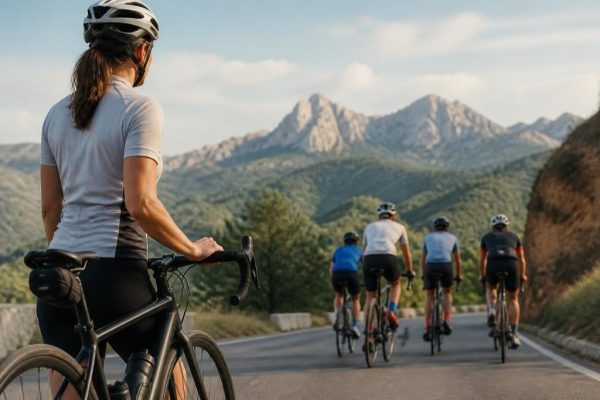
Guided cycling holidays represent an exceptional way to explore new destinations while maintaining an active lifestyle. These organized tours combine physical activity with cultural immersion, offering cyclists of all skill levels the opportunity to discover scenic routes without the stress of navigation or logistical planning. From coastal paths to mountain trails, guided cycling holidays provide structured experiences that blend adventure, community, and local expertise into memorable journeys.
Understanding Guided Cycling Holidays
Guided cycling holidays deliver a complete package where experienced leaders handle route planning, accommodation arrangements, and mechanical support. Professional guides manage the pace, ensuring groups stay together while providing historical context and local knowledge throughout the journey. These tours typically include bike rentals, luggage transfers between accommodations, and support vehicles that carry extra gear and provide assistance when needed.
The structured nature of these experiences eliminates common travel anxieties. Participants don't worry about getting lost, finding suitable restaurants, or dealing with unexpected mechanical issues. Instead, cyclists focus entirely on pedaling through beautiful landscapes and enjoying the camaraderie of fellow riders.
Types of Guided Cycling Tours
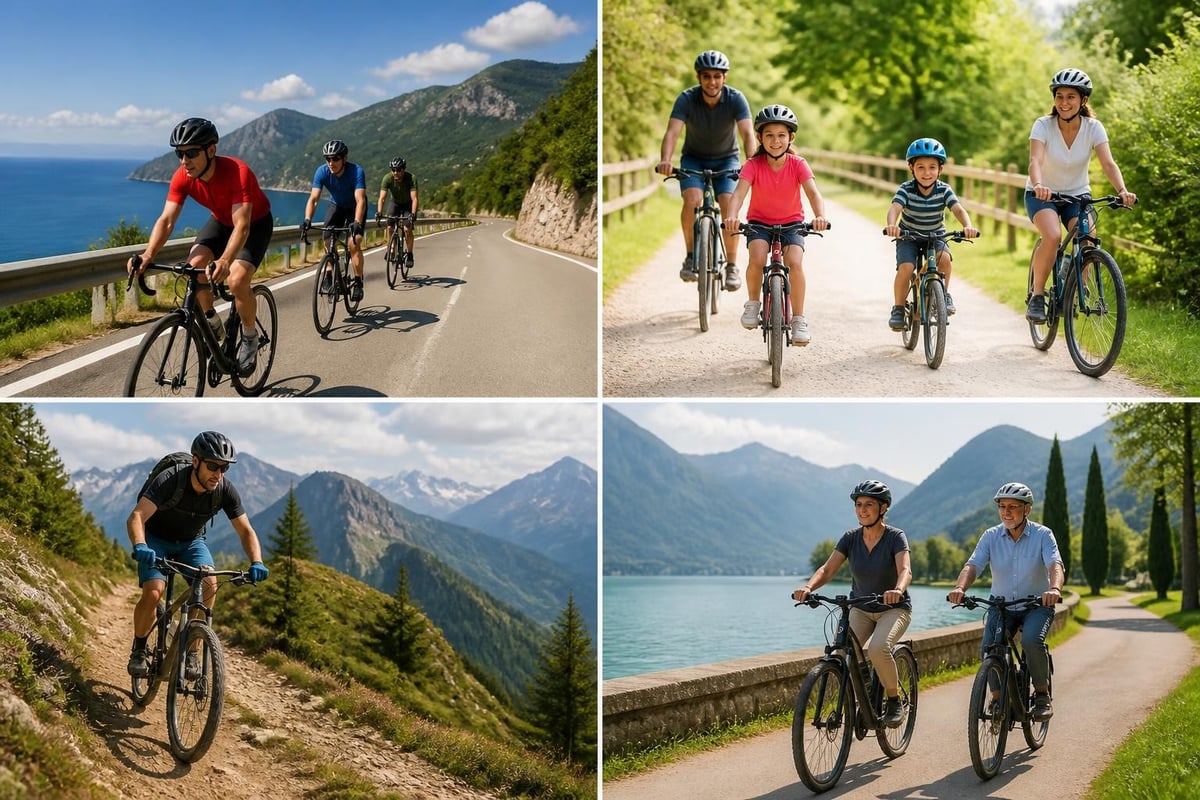
Different cycling holiday formats cater to varying preferences and fitness levels. Road cycling tours focus on paved surfaces and longer distances, appealing to those seeking cardiovascular challenges. Leisure cycling holidays prioritize gentle terrain and cultural stops, perfect for families or casual riders. Mountain biking adventures tackle rugged trails for adrenaline seekers, while e-bike tours accommodate participants who want assistance on challenging climbs.
Multi-day tours typically cover 30 to 60 miles daily, with rest stops strategically positioned every 10 to 15 miles. Single-day guided rides offer shorter commitments for travelers integrating cycling into broader vacation plans. Similar to personalized guided vacations, these cycling experiences adapt to individual group preferences and capabilities.
Preparing for Your Cycling Adventure
Proper preparation transforms a good cycling holiday into an exceptional one. Physical conditioning begins weeks before departure, gradually building endurance and strength. Training for a cycling holiday should match the tour's anticipated distance and terrain difficulty, incorporating both flat routes and hill climbs into practice rides.
Equipment preparation deserves equal attention to physical training. While most guided cycling holidays provide bicycles, bringing personal items ensures comfort throughout the journey.
Essential Gear Checklist
- Padded cycling shorts for long-distance comfort
- Moisture-wicking base layers that regulate body temperature
- Lightweight rain jacket for unpredictable weather
- Cycling gloves to prevent hand fatigue and blisters
- Sunglasses with UV protection
- Personal helmet fitted properly to your head
- Refillable water bottles for constant hydration
- Small repair kit including tire levers and spare tubes
Beyond cycling-specific equipment, comfortable off-bike clothing matters considerably. Evenings often involve group dinners and local exploration, requiring casual attire suitable for restaurants and cultural sites. Pack light but strategically, remembering that luggage transfers mean you can access fresh clothing daily.
Physical Conditioning Timeline
| Weeks Before Tour | Training Focus | Weekly Mileage |
|---|---|---|
| 8-10 weeks | Base building, easy rides | 50-70 miles |
| 6-8 weeks | Endurance development | 80-100 miles |
| 4-6 weeks | Hill training, intervals | 100-120 miles |
| 2-4 weeks | Peak training, longer rides | 120-150 miles |
| 1-2 weeks | Taper, recovery rides | 40-60 miles |
Safety Considerations for Group Cycling
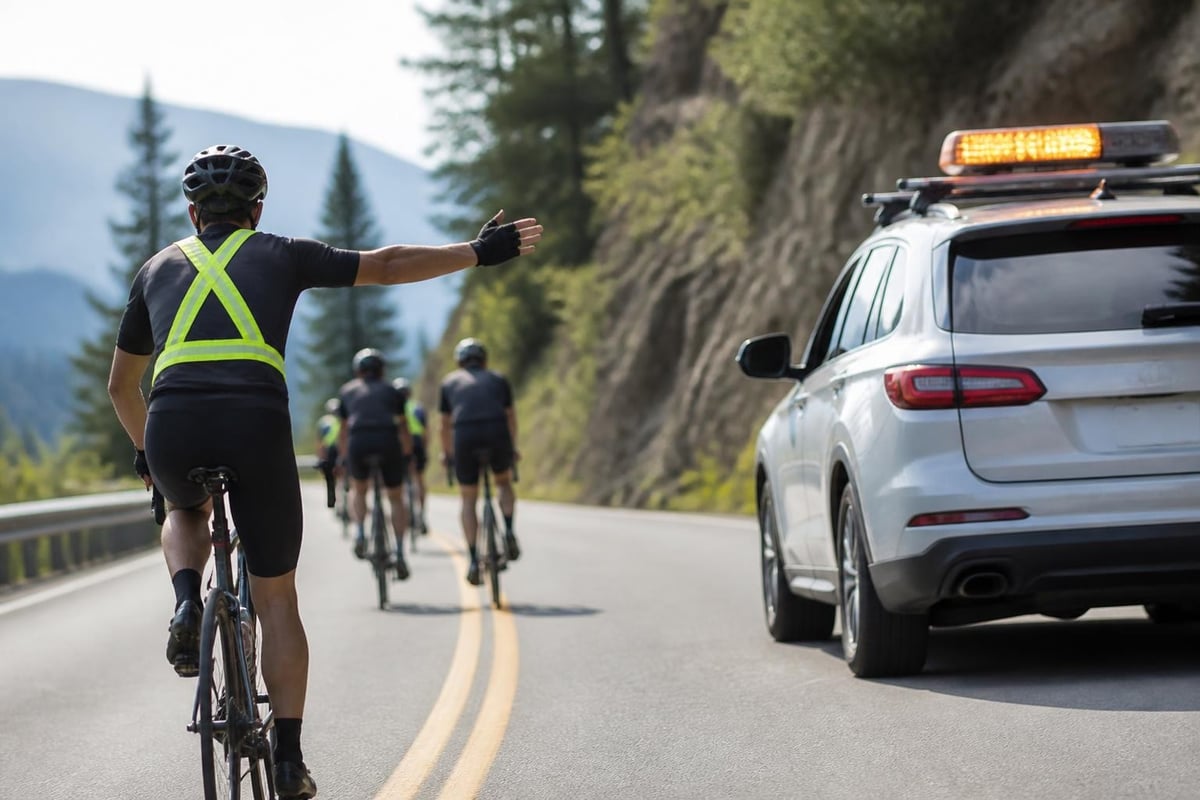
Safety forms the foundation of enjoyable guided cycling holidays. Understanding cycling safety in different environments helps participants navigate urban streets, rural roads, and dedicated bike paths with confidence. Professional guides establish clear communication protocols, using hand signals and verbal cues to alert riders about obstacles, turns, and traffic conditions.
Group riding etiquette maintains order and prevents accidents. Cyclists ride in predictable lines, avoiding sudden movements or unexpected braking. The lead cyclist sets the pace while sweep riders ensure no one falls too far behind. Group cycling safety and hydration remain paramount throughout each day's journey, with scheduled stops allowing riders to rest and refuel.
Critical Safety Protocols
Pre-ride briefings cover the day's route, including challenging sections, rest stop locations, and emergency procedures. Guides review hand signals for common situations: left arm extended for left turns, right arm for right turns, and hand pointed downward for hazards like potholes or debris. Riders maintain safe following distances, typically one bike length for every 10 miles per hour of speed.
Support vehicles provide crucial safety nets. These vehicles carry medical supplies, extra food and water, spare parts, and tools for repairs. In emergencies, they transport exhausted or injured riders to the next destination. Mobile phone numbers for guides and support staff ensure constant communication capability.
Weather awareness significantly impacts safety decisions. Guides monitor forecasts continuously, adjusting routes or schedules when conditions deteriorate. Rain reduces visibility and increases stopping distances, requiring slower speeds and greater caution. Wind creates fatigue and balance challenges, particularly for less experienced cyclists.
Choosing the Right Destination
Destination selection shapes the entire guided cycling holiday experience. European routes through Tuscany, Provence, or the Netherlands offer rich cultural experiences alongside excellent cycling infrastructure. These regions provide dedicated bike paths, cyclist-friendly drivers, and centuries of architectural and culinary heritage. Asian destinations like Vietnam or Japan combine exotic cultures with varied terrain, from coastal flats to mountainous challenges.
Climate considerations influence both comfort and safety. Spring and fall typically provide ideal cycling weather in temperate zones, avoiding summer heat and winter cold. Mediterranean destinations shine in April through June and September through October, when temperatures stay moderate and tourist crowds diminish. Tropical locations require careful timing to avoid monsoon seasons.
Route Difficulty Assessment
Understanding personal capability prevents overcommitment to challenging tours. Beginner-friendly routes feature flat or gently rolling terrain, shorter daily distances (20-30 miles), and frequent rest opportunities. Intermediate tours include moderate hills, 30-50 mile days, and require comfortable fitness levels. Advanced cycling holidays tackle significant elevation changes, 50-80 mile days, and demand strong cardiovascular conditioning.
| Difficulty Level | Daily Distance | Elevation Gain | Fitness Required |
|---|---|---|---|
| Beginner | 20-30 miles | 0-1,000 feet | Casual fitness |
| Intermediate | 30-50 miles | 1,000-3,000 feet | Regular exercise |
| Advanced | 50-80 miles | 3,000-6,000 feet | Strong conditioning |
| Expert | 80+ miles | 6,000+ feet | Competitive fitness |
Terrain type matters as much as distance. Paved roads allow faster speeds and smoother riding compared to gravel paths or mountain trails. Technical single-track requires bike handling skills beyond basic road cycling. Understanding risk assessments for different riding environments helps match tours to actual abilities rather than aspirational fitness levels.
What to Expect During Your Tour
Daily routines on guided cycling holidays follow predictable patterns that create comfortable rhythms. Mornings typically begin with breakfast at accommodations, followed by bike preparation and route briefings. Departure times usually fall between 8:00 and 9:00 AM, capturing cooler morning temperatures for the day's hardest riding.
Mid-morning breaks occur after 15-20 miles, offering opportunities for snacks, hydration, and bathroom facilities. Lunch stops showcase local cuisine, whether picnics with regional specialties or restaurant meals in charming villages. Afternoon riding distances typically decrease, accounting for accumulated fatigue and warmer temperatures.
Daily Schedule Example
- 7:00 AM – Breakfast at hotel
- 8:30 AM – Bike check and route briefing
- 9:00 AM – Departure, morning ride segment
- 11:00 AM – Mid-morning break (20 minutes)
- 1:00 PM – Lunch stop (60-90 minutes)
- 3:30 PM – Afternoon break (15 minutes)
- 5:00 PM – Arrival at accommodation
- 7:00 PM – Group dinner
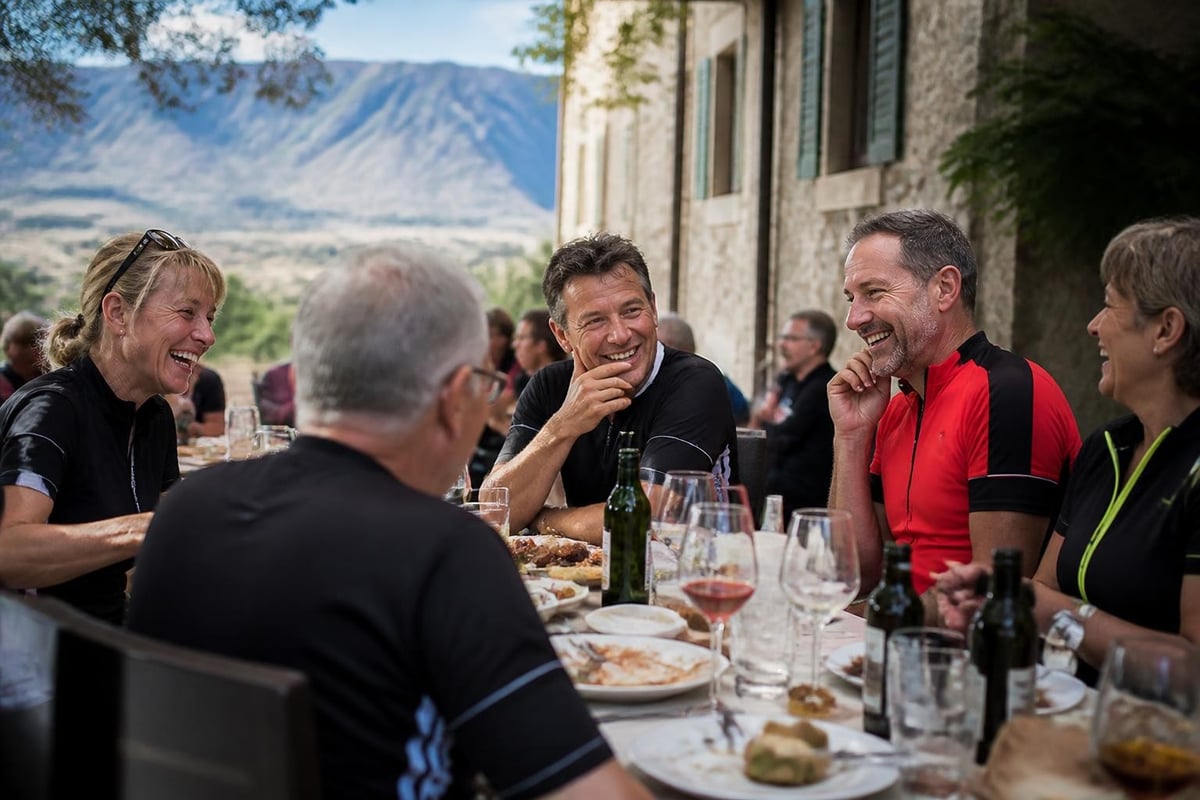
Evenings provide relaxation and cultural immersion. After settling into accommodations, cyclists explore local areas, visit markets, or tour historical sites. Group dinners foster community building, allowing participants to share experiences and form friendships. Optional activities might include cooking classes, wine tastings, or performances of local music and dance.
Rest days punctuate multi-day tours, preventing burnout and allowing deeper destination exploration. These non-cycling days might feature walking tours through historic districts, museum visits, or simply resting tired muscles. Just as tailored tours customize experiences to group interests, guided cycling holidays balance riding with cultural engagement.
Social Dynamics and Group Experience
The communal aspect distinguishes guided cycling holidays from independent travel. Groups typically number between 10 and 20 participants, creating intimate atmospheres while maintaining social diversity. Riders come from various backgrounds, ages, and countries, united by shared interests in cycling and exploration.
Pace groups naturally form based on fitness levels and riding preferences. Faster cyclists might complete routes earlier, enjoying extra time at destinations, while others appreciate slower speeds that allow photography and conversation. Professional guides manage these different speeds, ensuring everyone feels included without holding back stronger riders.
Building Tour Connections
Shared challenges create rapid bonding. Conquering difficult climbs together, weathering unexpected rain storms, or celebrating arrival at spectacular viewpoints forge connections that often outlast the tour itself. Evening meals become storytelling sessions where cyclists compare experiences, exchange travel tips, and plan future adventures.
Solo travelers particularly benefit from guided cycling holidays' built-in social structures. Unlike independent travel where meeting people requires initiative, group tours provide automatic companionship. Many participants maintain friendships long after tours conclude, connecting through social media and sometimes reuniting for additional cycling adventures.
Accommodation and Meal Experiences
Accommodation standards vary by tour price point and destination. Budget-friendly tours might utilize hostels or simple hotels, while premium options feature boutique properties or historic inns. Most guided cycling holidays prioritize location over luxury, selecting accommodations within walking distance of town centers and local attractions.
Room configurations typically offer double occupancy with single supplement options for solo travelers preferring privacy. Bike storage receives careful attention, with secure facilities protecting expensive equipment overnight. Many properties provide laundry services, essential for multi-day tours with limited luggage capacity.
Culinary Components
Meals represent cultural highlights of guided cycling holidays. Breakfast spreads provide necessary fuel, featuring carbohydrates, proteins, and fresh fruits. Lunch options range from packed provisions eaten at scenic spots to restaurant meals in local establishments. Dinners showcase regional cuisines, often including multi-course experiences at recommended restaurants.
Dietary restrictions receive accommodation with advance notice. Vegetarian, vegan, gluten-free, and allergy-sensitive options ensure everyone enjoys meals safely. Tour operators communicate requirements to restaurants, eliminating language barriers and uncertainty that might complicate independent travel.
Environmental and Cultural Impact
Responsible guided cycling holidays minimize environmental footprints while maximizing positive local impacts. Cycling itself represents low-carbon transportation, producing zero emissions while exploring destinations. Tour operators increasingly emphasize sustainability, selecting accommodations with green certifications and supporting locally-owned businesses.
Cultural sensitivity enhances experiences for both visitors and host communities. Comprehensive cycling safety tips extend beyond physical safety to include respectful behavior in visited areas. Guides educate participants about local customs, appropriate dress codes for religious sites, and courteous interaction with residents.
Economic benefits flow directly to small communities. Unlike cruise ships or large bus tours that concentrate spending in corporate chains, cycling tourists patronize family restaurants, neighborhood shops, and independent accommodations. This distributed economic impact helps preserve traditional ways of life and encourages cultural heritage maintenance.
Sustainable Practices
- Supporting locally-owned accommodations and restaurants
- Minimizing single-use plastics through refillable water systems
- Respecting wildlife and natural habitats along routes
- Following Leave No Trace principles during breaks
- Contributing to local economies through craft purchases
- Learning and using basic phrases in local languages
Selecting a Reputable Tour Operator
Quality tour operators distinguish themselves through comprehensive support systems and experienced leadership. Look for companies with established track records, verified customer reviews, and transparent pricing structures. Professional operators maintain properly serviced bicycles, employ certified guides with first-aid training, and carry appropriate insurance coverage.
Inclusions vary significantly between operators, requiring careful comparison. Some packages include all meals, while others cover only breakfasts. Bike rentals might be standard or cost extra. Understanding exactly what's included prevents budget surprises and ensures appropriate tour selection.
Evaluation Criteria
| Factor | What to Look For | Red Flags |
|---|---|---|
| Experience | 5+ years operating tours | Newly established, no history |
| Reviews | Consistent 4+ star ratings | Few reviews, many complaints |
| Group Size | 10-20 participants maximum | Unlimited group sizes |
| Support | Dedicated support vehicle | No mechanical assistance |
| Guides | Certified, experienced leaders | Unclear guide qualifications |
| Insurance | Comprehensive liability coverage | No mention of insurance |
Cancellation policies deserve close scrutiny before booking. Flexible operators allow changes or cancellations with reasonable advance notice, while rigid policies might forfeit entire payments. Travel insurance provides additional protection against unforeseen circumstances preventing participation.
Health Benefits and Physical Rewards
Guided cycling holidays deliver substantial health advantages beyond typical vacations. Cardiovascular exercise improves heart health, builds endurance, and strengthens leg muscles. Multi-day tours provide consistent activity levels that kickstart fitness improvements, often motivating participants to maintain cycling routines after returning home.
Mental health benefits match physical gains. Outdoor exercise reduces stress, improves mood, and enhances cognitive function. The combination of physical activity, natural scenery, and social interaction creates powerful wellness outcomes. Many participants report feeling more energized and focused weeks after completing cycling holidays.
Measurable Health Outcomes
Regular cycling during tours burns significant calories, typically 400-600 per hour depending on intensity and body weight. Week-long tours covering 200-300 miles create caloric deficits supporting healthy weight management. Beyond calorie expenditure, cycling strengthens bones, improves joint mobility, and enhances balance and coordination.
Sleep quality typically improves during cycling holidays. Physical exertion combined with fresh air creates natural tiredness, promoting deeper, more restorative sleep. Better sleep supports immune function, emotional regulation, and physical recovery, creating positive health cycles throughout the tour.
Making the Most of Your Investment
Guided cycling holidays represent significant financial commitments, typically ranging from $1,500 to $5,000 per week depending on destination and luxury level. Maximizing value requires active participation and open-minded engagement. Attend all included activities, even those outside personal comfort zones. Cultural demonstrations, local tastings, and optional excursions enrich experiences far beyond cycling alone.
Photography documentation preserves memories while requiring mindful presence. Rather than obsessively photographing everything, select meaningful moments that capture the tour's essence. Many cyclists find greater satisfaction experiencing views directly rather than through camera screens, taking occasional photos rather than constant documentation.
Post-tour engagement extends value beyond the journey itself. Join online communities where participants share photos, maintain connections, and discuss future trips. Many tour operators offer alumni discounts, encouraging repeat participation. Skills and fitness developed during one tour prepare participants for more challenging adventures, creating progression opportunities.
Similar to how chartered tours customize experiences for specific groups, guided cycling holidays adapt to participant needs while delivering professionally structured adventures. The investment pays dividends in health improvements, cultural understanding, and lasting memories that enrich life long after the final pedal stroke.
Guided cycling holidays combine physical challenge with cultural immersion, creating transformative travel experiences that benefit both body and mind. While cycling tours offer one approach to active exploration, walking tours provide equally enriching alternatives for those preferring pedestrian paces. Adding:tours specializes in personalized guided experiences throughout Stockholm, offering everything from historic Old Town walks to unique ABBA journeys, all designed for private groups seeking authentic local perspectives. Whether you're planning a family gathering or friends' reunion, our native English-speaking guides deliver insider access and tailored itineraries that make your Stockholm visit truly memorable.