Tourist Tours: Personalizing Your Travel Experience
The landscape of tourist tours has transformed dramatically in recent years, moving away from one-size-fits-all bus experiences toward intimate, personalized journeys that reflect individual interests and values. Modern travelers demand authenticity, local expertise, and the flexibility to explore destinations on their own terms. This shift has created opportunities for tour operators who understand that today's visitors want more than surface-level sightseeing-they seek genuine connections with places, stories, and people. According to recent industry statistics, tour bookings have surged to 2.3 times pre-pandemic levels, demonstrating robust recovery and evolving consumer preferences in the travel sector.
The Evolution of Guided Experiences
Tourist tours in 2026 bear little resemblance to their predecessors from just a decade ago. The industry has undergone a fundamental reimagining, driven by changing traveler expectations and technological advances that enable unprecedented customization.
From Mass Tourism to Intimate Exploration
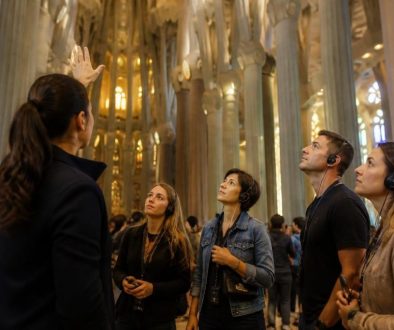
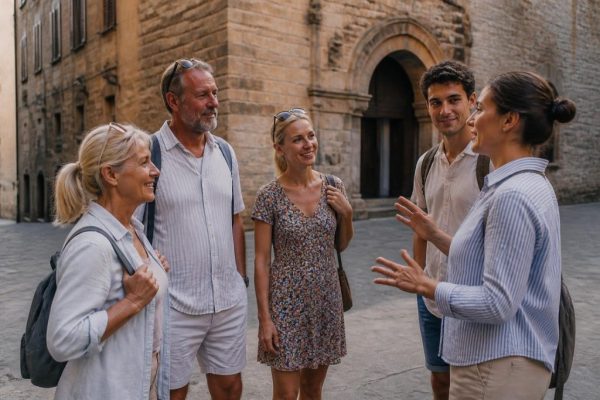
Traditional large-group tours often left participants feeling like spectators in their own vacation. Today's most successful operators recognize that smaller groups foster deeper engagement and more meaningful experiences. Private and semi-private tours allow guides to adapt pacing, adjust routes based on group interests, and facilitate genuine conversations that large crowds simply cannot accommodate.
Key benefits of small-group tourist tours include:
- Enhanced interaction with knowledgeable guides who can answer specific questions
- Flexibility to spend more time at locations that resonate with participants
- Access to venues and experiences unavailable to larger groups
- Opportunity to build connections with fellow travelers
- Reduced environmental impact and community disruption
The USTOA survey reveals that nearly 68% of tour operators reported increased sales in 2025, demonstrating that consumers increasingly value quality over quantity when selecting guided experiences.
The Rise of Niche and Thematic Experiences
Generic city tours no longer satisfy curious travelers. Instead, hyper-niche group tours have expanded significantly, with 43% of operators receiving more requests for customized itineraries. This trend reflects a desire to explore destinations through specific lenses-whether culinary, literary, historical, or cultural.
Thematic tourist tours allow participants to dive deep into particular aspects of a destination. A literary walking tour, for example, transforms city streets into the pages of beloved novels, while music-focused experiences trace the footsteps of legendary artists. These specialized approaches create emotional connections that generic sightseeing cannot replicate.
Personalization as the New Standard
The most significant shift in tourist tours involves moving from standardized programming to experiences tailored to individual preferences. This transformation requires operators to invest in training, develop flexible frameworks, and cultivate genuine expertise rather than simply memorizing scripts.
Understanding Traveler Motivations
Effective personalization begins with understanding why people travel. Some seek relaxation and escape, while others pursue education, adventure, or cultural immersion. The best guided vacation packages begin with conversations that uncover these underlying motivations, allowing guides to emphasize elements that resonate most strongly.
Common traveler priorities in 2026:
- Authentic local experiences beyond tourist hotspots
- Opportunities to engage with communities respectfully
- Environmental sustainability and responsible tourism practices
- Safety and comfort without sacrificing adventure
- Educational depth that provides genuine insight
Tour operators who listen actively and adjust their approaches accordingly build lasting relationships with clients who return repeatedly and refer enthusiastically.
Technology Enabling Customization
Digital tools have revolutionized how tourist tours can be personalized without sacrificing operational efficiency. Mobile applications allow guides to access real-time information, adjust schedules dynamically, and provide multimedia context that enriches the physical experience. However, technology serves best as an enabler rather than a replacement for human expertise and judgment.
| Personalization Element | Traditional Approach | Modern Custom Approach |
|---|---|---|
| Itinerary | Fixed schedule | Flexible framework adaptable to group interests |
| Group Size | 30-50 participants | 2-12 participants for intimate experiences |
| Guide Role | Information delivery | Conversation facilitator and local expert |
| Booking Process | Standard packages | Consultation-based design |
| Post-Tour Engagement | None | Follow-up resources and ongoing connection |
Local Expertise as Competitive Advantage
Native knowledge separates memorable tourist tours from forgettable ones. Guides who genuinely know their cities-beyond rehearsed facts-can respond to spontaneous questions, recommend restaurants based on specific dietary preferences, and share stories that bring history to life. For destinations like Stockholm, where old town walking tours reveal layers of history in medieval alleyways, local expertise becomes invaluable.
The Value of Insider Access
True locals possess knowledge that guidebooks cannot capture. They know which bakery makes the best cardamom buns, which viewpoint offers stunning sunsets away from crowds, and how historical events still influence contemporary culture. This insider perspective transforms tourist tours from information delivery into genuine cultural exchange.
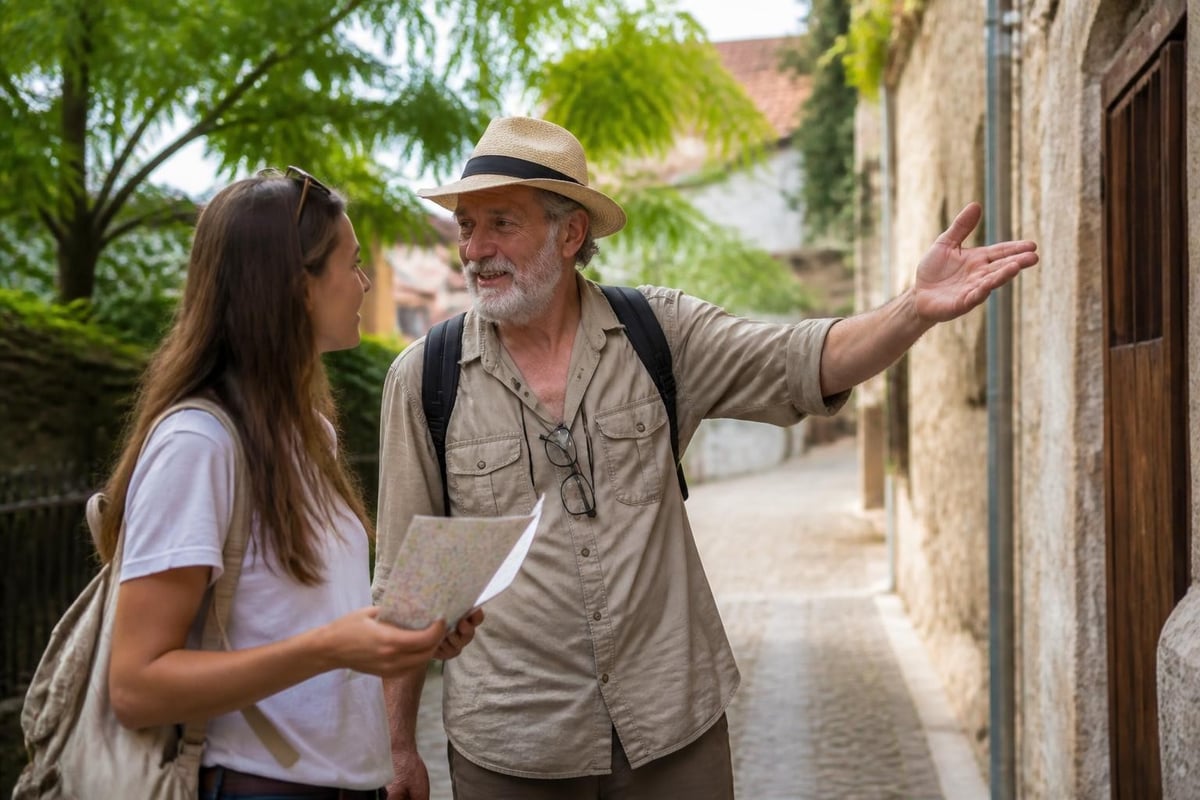
English-speaking guides who are native or long-term residents bridge cultural gaps while providing linguistic accessibility. They understand nuances that translation apps miss and can explain cultural context that helps visitors navigate unfamiliar social norms confidently. When exploring Stockholm city tours, having a guide who speaks fluent English while possessing deep local roots creates ideal conditions for meaningful cultural exchange.
Storytelling That Creates Connection
Facts inform, but stories transform. The most effective guides weave historical information into narratives that engage emotions and imagination. Rather than stating that a building was constructed in 1627, skilled storytellers describe the political intrigue, architectural innovations, and daily lives of people who inhabited those spaces.
Elements of compelling tour narratives:
- Personal anecdotes that humanize historical figures
- Sensory details that help participants imagine past eras
- Connections between historical events and contemporary issues
- Local legends and folklore that reveal cultural values
- Humor and drama that maintain engagement
Specialized Tours for Diverse Interests
The diversification of tourist tours reflects broader cultural trends toward specialization and authenticity. Visitors increasingly seek experiences aligned with existing passions rather than generic overview tours.
Literary and Cultural Deep Dives
Literary tourist tours have gained substantial popularity among readers who want to walk in their favorite characters' footsteps. These experiences combine physical exploration with textual analysis, creating multilayered engagement with both place and story. Following locations from "The Girl with the Dragon Tattoo" through Stockholm, for instance, allows fans to experience the atmospheric setting that shapes the narrative while learning about actual Swedish society.
Cultural tours extend beyond literature to encompass music, art, architecture, and social movements. An ABBA-themed experience doesn't simply visit related sites-it explores how the group reflected and influenced Swedish culture while providing context about the music industry's evolution.
Adventure and Active Exploration
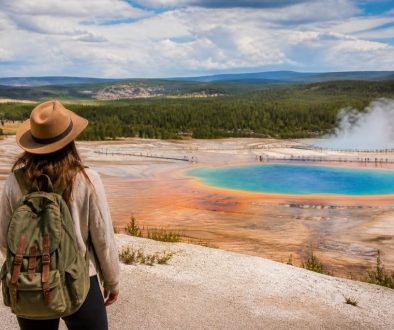
While some tourist tours emphasize historical and cultural education, others cater to active travelers seeking physical engagement with landscapes. Walking tours provide exercise alongside education, appealing to health-conscious visitors who prefer exploring on foot. The walking tour format allows for spontaneous discoveries and intimate neighborhood encounters impossible from vehicle windows.
Solo travelers particularly appreciate structured walking experiences that provide social interaction without requiring them to navigate unfamiliar cities alone. The rise of solo-only tours demonstrates demand for experiences designed specifically for independent travelers seeking community.
Safety and Professionalism in Modern Tours
As tourist tours expand into diverse activities and environments, safety protocols and professional standards become increasingly important. Responsible operators prioritize participant well-being while delivering engaging experiences.
Establishing Trust Through Transparency
Professional tour operators clearly communicate expectations, physical requirements, and potential risks before bookings are confirmed. This transparency allows participants to make informed decisions and prepare appropriately. For instance, the National Park Service provides comprehensive safety guidelines that can be adapted across various tourist tours.
Essential safety considerations for responsible tours:
- Clear communication about physical difficulty levels
- Weather contingency plans and alternative arrangements
- Emergency protocols and guide training in first aid
- Insurance coverage and liability clarity
- Accessibility accommodations for diverse abilities
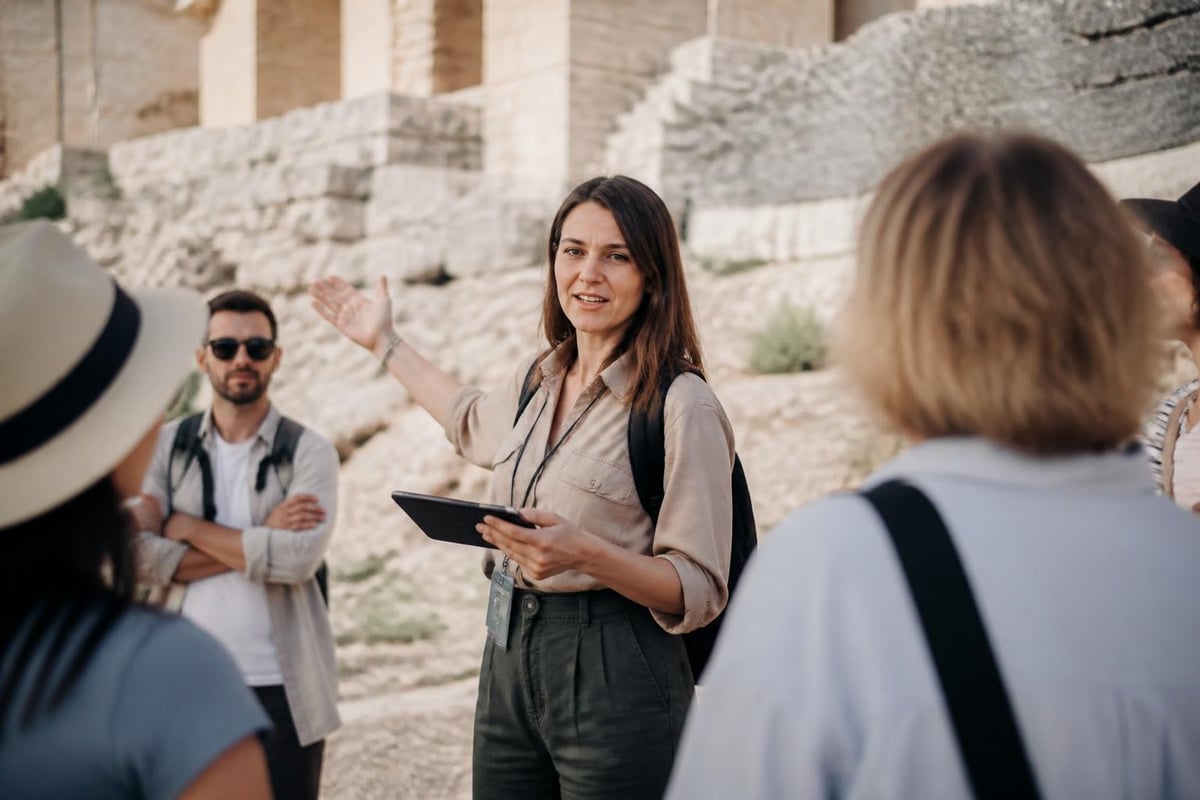
Professional guides maintain situational awareness, monitor group dynamics, and make real-time decisions that prioritize safety without unnecessarily limiting adventure. This balance requires experience, training, and genuine care for participant welfare.
Sustainable and Responsible Tourism
Modern travelers increasingly evaluate tourist tours based on environmental and social responsibility. Operators who demonstrate commitment to sustainability attract conscious consumers while contributing positively to destinations. This involves managing group sizes to minimize impact, supporting local businesses, respecting sacred and sensitive sites, and educating participants about responsible travel practices.
Sustainable tourism requires ongoing dialogue between tour operators, local communities, and travelers themselves. When all parties commit to minimizing negative impacts while maximizing mutual benefits, tourism can enhance rather than exploit destinations.
The Business Case for Personalized Small-Group Tours
From an operational perspective, focusing on personalized, small-group tourist tours offers distinct advantages over mass-market approaches. While per-tour revenue may be lower, profit margins often improve due to premium pricing, reduced overhead, and enhanced customer loyalty.
Building Repeat Business and Referrals
Satisfied clients become ambassadors who generate organic growth through enthusiastic recommendations. Personalized experiences create emotional connections that generic tours cannot match, leading to higher satisfaction scores and repeat bookings. Many operators find that a significant percentage of their business comes from previous clients and their referrals.
| Business Model | Advantages | Challenges |
|---|---|---|
| Large Group Tours | High per-tour volume | Price competition, lower satisfaction |
| Small Group Premium | Higher margins, loyal clients | Lower volume, requires skilled guides |
| Private Custom Tours | Maximum personalization, premium pricing | Complex logistics, limited scalability |
| Hybrid Approach | Flexibility and market diversity | Operational complexity |
For businesses like Adding:tours specializing in personalized experiences, focusing on quality over quantity creates sustainable competitive advantage. Investments in guide training, customer consultation, and experience design pay dividends through premium pricing and reduced marketing costs.
Adapting to Digital Booking Trends
Online booking penetration has reached 65% in the tours and activities industry, according to comprehensive market statistics. However, personalized tourist tours benefit from combining digital convenience with human consultation. The ideal approach offers online discovery and preliminary booking while incorporating personal communication that enables customization.
Digital platforms excel at showcasing tour variety, managing schedules, and processing transactions efficiently. Human interaction excels at understanding nuanced preferences, answering specific questions, and building relationships that transform one-time customers into lifelong advocates.
Global Perspectives on Tourist Tours
While this discussion focuses primarily on European contexts, tourist tours worldwide share common trends toward personalization, sustainability, and authentic engagement. Different regions approach these priorities through cultural lenses that reflect local values and traditions.
Learning from Diverse Models
Safari experiences in Africa, for example, have long emphasized small groups and personalized service as standard practice. Operators like Africa Wild Safaris demonstrate how cultural heritage and personal touches create immersive experiences that resonate deeply with international visitors. These models offer valuable lessons for tourist tours in other contexts about balancing luxury with authenticity.
Asian markets have pioneered technology integration in tourism, using apps and AI to enhance rather than replace human guides. European operators increasingly adopt similar tools while maintaining emphasis on personal expertise and cultural depth. This cross-pollination of approaches enriches the global tourism ecosystem.
Addressing Overtourism Through Design
Popular destinations face challenges as tourism success creates congestion that degrades the very experiences visitors seek. Thoughtful tourist tours can mitigate these issues by timing visits strategically, exploring lesser-known locations, and educating participants about responsible behavior. Some operators collaborate with communities to develop tourism that distributes benefits more equitably while preserving local quality of life.
Creating Memorable Moments Through Attention to Detail
Exceptional tourist tours succeed through countless small decisions that collectively create seamless, memorable experiences. From initial inquiry to post-tour follow-up, every interaction shapes perception and satisfaction.
Pre-Tour Communication and Expectation Setting
The experience begins long before participants meet their guide. Effective operators provide clear, helpful information that builds anticipation while ensuring practical preparation. This includes packing suggestions, meeting point details with visual aids, emergency contact information, and contextual reading that enriches the upcoming experience.
Pre-tour communications checklist:
- Personalized welcome message acknowledging specific interests
- Detailed itinerary with timing, locations, and activity descriptions
- Practical information about weather, clothing, and accessibility
- Cultural etiquette guidance for respectful engagement
- Guide biography that builds confidence and connection
Setting appropriate expectations prevents disappointment while allowing for delightful surprises. Underpromising and overdelivering remains more effective than generating unrealistic anticipation.
During-Tour Excellence Through Responsiveness
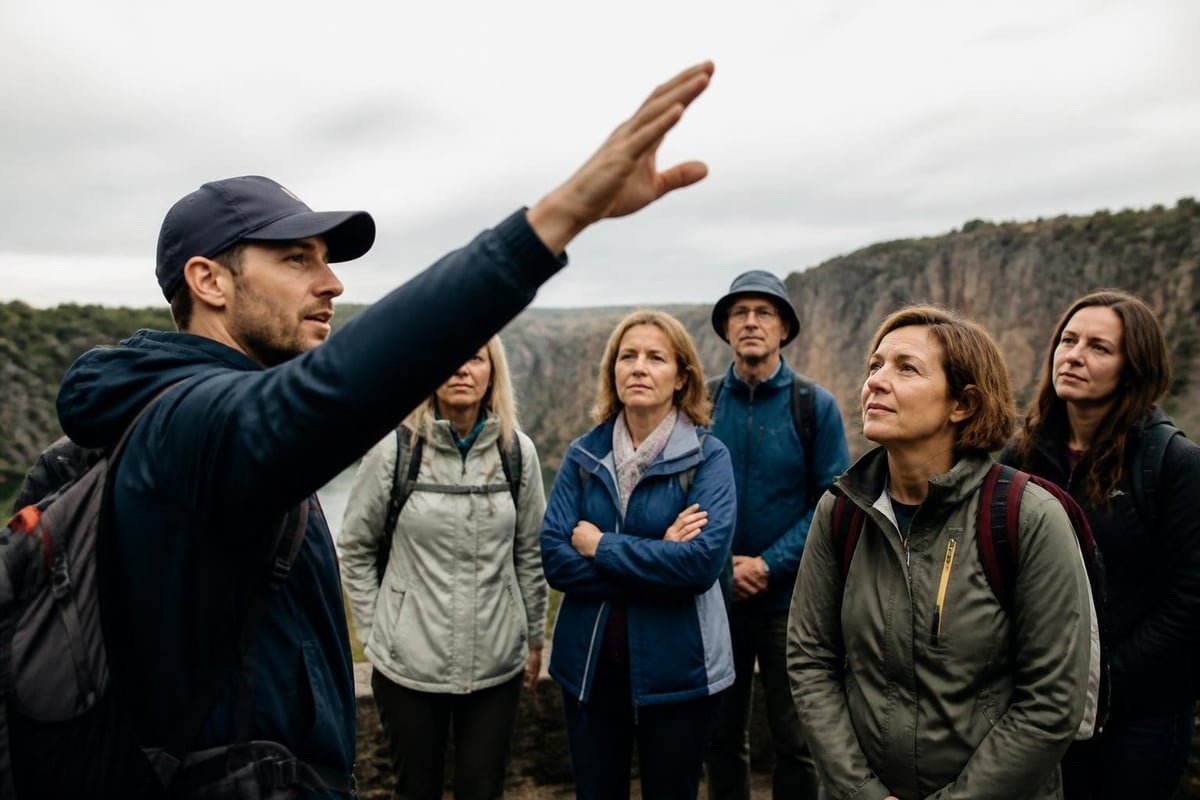
Once tourist tours begin, guide attentiveness determines success. This involves reading group energy levels, adjusting pacing accordingly, and remaining flexible when weather or circumstances require changes. Skilled guides notice when participants seem confused, tired, or particularly engaged, responding appropriately to maximize enjoyment.
Small touches create disproportionate impact. Remembering names, recalling earlier conversations, and connecting new information to previously expressed interests demonstrate genuine care that participants appreciate and remember.
Post-Tour Engagement and Relationship Building
The conclusion of physical tourist tours need not end the relationship. Thoughtful operators send follow-up messages thanking participants, sharing photos taken during the experience, and providing additional resources related to topics explored. This ongoing engagement builds community and encourages return visits.
Some operators maintain contact through newsletters sharing local updates, seasonal recommendations, and special offerings. This approach keeps the destination alive in participants' minds while creating opportunities for future bookings and referrals.
Designing Tours That Balance Structure and Spontaneity
Creating effective tourist tours requires careful planning that paradoxically enables spontaneity. The best experiences follow thoughtful frameworks flexible enough to accommodate unexpected opportunities and participant interests.
The Framework Approach to Tour Design
Rather than rigid minute-by-minute schedules, experienced operators develop frameworks identifying essential elements while leaving room for adaptation. This might involve designating core stops that must be visited while maintaining flexibility about duration, sequence, and supplementary locations.
For English walking tours through Stockholm, a framework might ensure coverage of Old Town highlights, the Royal Palace, and key historical periods while allowing guides to emphasize aspects that resonate with specific groups. Music enthusiasts might spend extra time discussing ABBA history, while architecture fans explore building details more deeply.
Embracing Teachable Moments
Spontaneous opportunities often create the most memorable tourist tour moments. A festival happening in a square, an artisan demonstrating traditional crafts, or an unexpected architectural detail can become highlights when guides possess knowledge and confidence to deviate from plans.
This requires guides who understand their material deeply enough to make connections on the fly, weaving new information into existing narratives coherently. It also demands operators who trust their guides' judgment and empower them to make real-time decisions prioritizing participant experience over rigid adherence to predetermined routes.
Tourist tours in 2026 reflect broader shifts toward personalization, authenticity, and meaningful connection that characterize modern travel. Success requires balancing professional expertise with genuine flexibility, investing in guide development, and maintaining unwavering focus on creating experiences that resonate individually with each participant. Whether you're planning a Stockholm walking tour, exploring literary landmarks, or seeking cultural immersion, Adding:tours designs personalized experiences that transform sightseeing into genuine discovery, ensuring your time in Stockholm becomes truly unforgettable through expert local guidance and tailored itineraries.