City Tours: Personalized Experiences for Groups in 2026
Modern travelers increasingly seek meaningful connections with destinations, moving beyond superficial sightseeing to embrace deeper cultural immersion. City tours have evolved from generic bus rides through crowded streets to carefully crafted experiences that reveal the authentic character of urban destinations. For private groups and small gatherings, these personalized explorations offer the perfect balance between structured discovery and flexible spontaneity, allowing families, friends, and colleagues to explore together at their own pace while benefiting from local expertise.
The Rising Demand for Specialized Urban Experiences
The tourism industry has witnessed remarkable growth heading into 2026, with nearly 68% of tour operators reporting increased sales compared to 2024. This surge reflects travelers' renewed enthusiasm for guided experiences that offer historical insights and local culture.
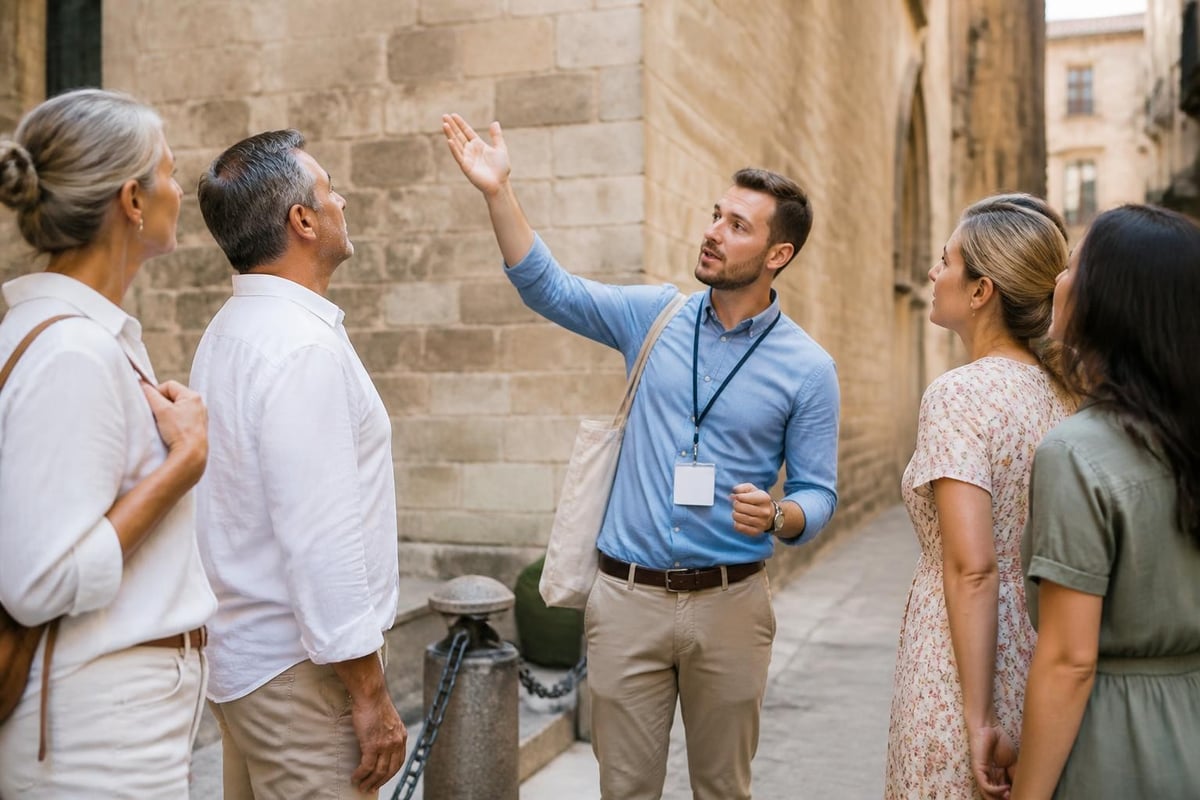
City tours remain the most popular segment within day tours and activities, driven by urban travelers seeking guided experiences that go beyond surface-level attractions. Visitors want to understand the stories behind architectural landmarks, discover hidden neighborhoods, and engage with destinations through the eyes of those who call them home.
What Sets Private Group Tours Apart
Private group experiences fundamentally differ from standard city tours. The intimacy of exploring with only your chosen companions creates space for questions, spontaneous detours, and deeper engagement with each location.
Key advantages of private group city tours include:
- Complete customization based on group interests and energy levels
- Flexible pacing without pressure from larger crowds
- Direct conversation with guides for immediate answers and recommendations
- Ability to focus on specific themes like history, architecture, literature, or music
- Privacy for family discussions and shared moments of discovery
When you book group tours designed specifically for private parties, every element responds to your preferences rather than accommodating dozens of strangers with varying interests.
Creating Memorable Urban Explorations
Successful city tours balance education with entertainment, structure with spontaneity, and popular sites with hidden treasures. The best experiences feel less like following a script and more like exploring with a knowledgeable friend who happens to be a local expert.
The Role of Expert Guides
Native English-speaking guides transform ordinary walks through city streets into narrative journeys that connect past and present. Their expertise extends beyond memorized facts to include personal anecdotes, contemporary context, and the ability to read their audience and adjust accordingly.
Professional guides serving walking tour groups must navigate several responsibilities simultaneously. They ensure everyone stays together while managing safety, timing, and engagement. They answer unexpected questions, provide restaurant recommendations, and often continue supporting visitors through messages and tips even after tours conclude.
| Guide Responsibility | Impact on Experience | Benefit for Private Groups |
|---|---|---|
| Local Knowledge | Insider perspectives and hidden gems | Exclusive access to non-touristy locations |
| Storytelling Ability | Engaging narratives that bring history alive | Content tailored to group's knowledge level |
| Flexibility | Adaptation to weather, energy, interests | Real-time itinerary adjustments |
| Logistical Management | Smooth transitions between locations | Stress-free coordination for group |
The tour guide industry faces ongoing challenges including staffing gaps and the need to adopt digital tools, yet exceptional guides continue to differentiate themselves through genuine passion and continuous learning.
Designing Routes That Flow Naturally
Effective city tours require thoughtful route planning that minimizes backtracking while maximizing meaningful experiences. Travel route planning best practices emphasize considering travel time, distance, and optimal transportation methods to create seamless journeys.
For walking-focused experiences, geography matters tremendously. Routes should cluster related sites, allow for natural progression through neighborhoods, and incorporate strategic breaks at cafes or viewpoints where groups can rest while absorbing their surroundings.
Essential route planning considerations:
- Start with iconic landmarks to establish context
- Transition to lesser-known areas for discovery moments
- Include sensory variety through markets, parks, or waterfronts
- Plan photo opportunities at photogenic locations
- End near dining or shopping areas for post-tour exploration
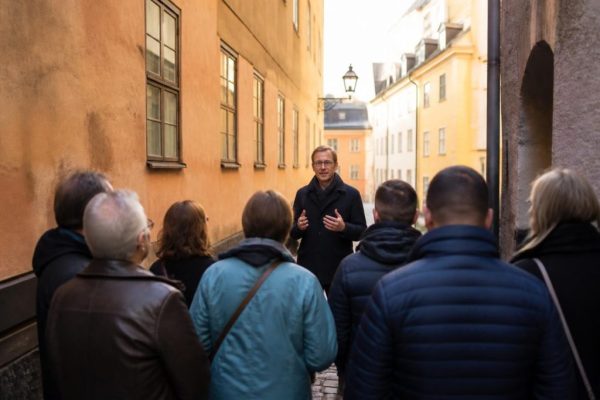
Stockholm's compact Old Town exemplifies ideal walking tour territory, with its medieval streets, Royal Palace, and interconnected squares creating natural narrative flow. An Old Town walking tour can weave through centuries of history within a concentrated area, allowing groups to deeply engage without exhausting travel between distant points.
Thematic Tours for Specialized Interests
Generic overview tours serve a purpose, but themed experiences create stronger emotional connections. Literature lovers exploring fictional settings, music enthusiasts visiting legendary venues, or architecture fans examining specific periods all benefit from focused narratives that align with their existing passions.
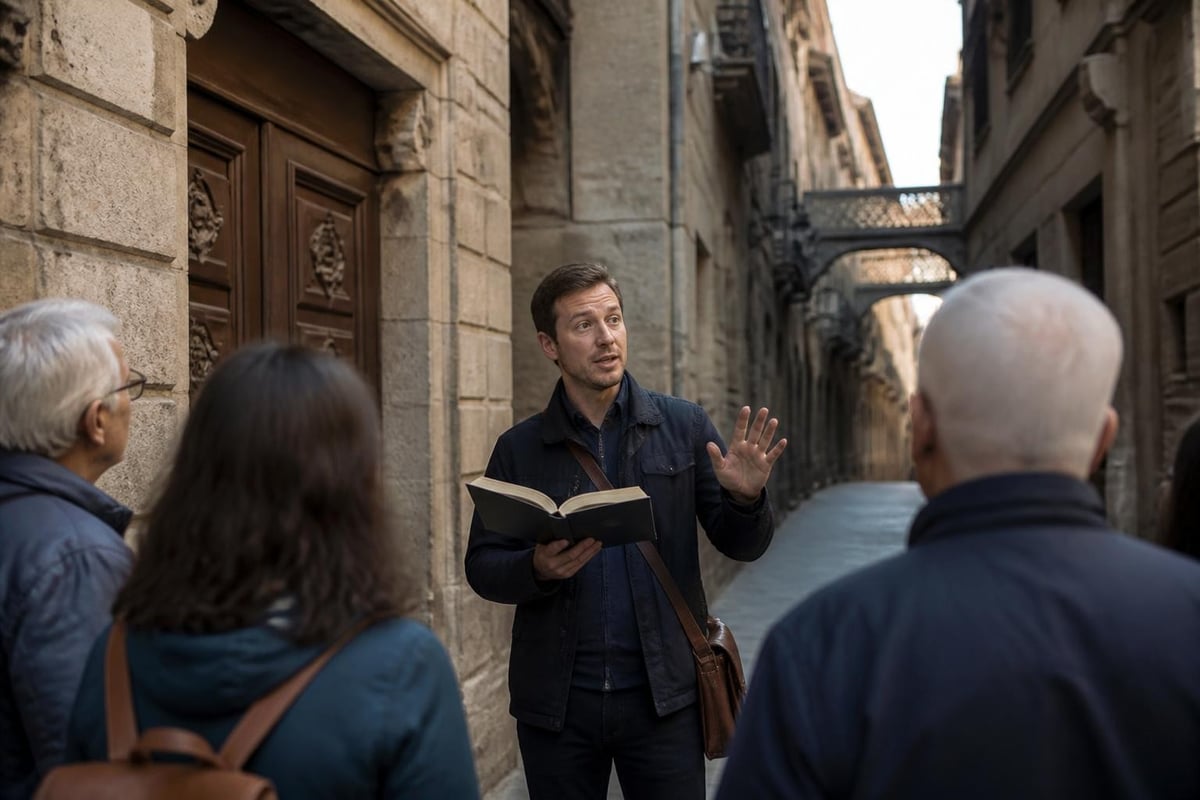
Stockholm offers particularly rich opportunities for thematic city tours. Stieg Larsson's Millennium trilogy attracted global readers who want to visit Lisbeth Salander's apartment building and Mikael Blomkvist's neighborhood cafes. These literary tours blend fiction with reality, showing how authors incorporate actual locations into imagined narratives.
Similarly, ABBA's global influence makes music-themed experiences highly sought after. Visiting recording studios, early performance venues, and the island retreat where the group created some of their most memorable songs provides context that museums alone cannot deliver.
The Shift Toward Hyper-Personalization
Recent trends indicate that solo-only and hyper-niche group tours are rising, reflecting travelers' desire for experiences precisely matched to their circumstances and interests. This movement away from one-size-fits-all approaches benefits private groups seeking city tours that acknowledge their unique composition and goals.
Customization for Different Group Types
Family groups touring cities have different needs than corporate colleagues on team-building experiences or friend groups celebrating milestones. Effective customization addresses these distinctions from the planning stage through execution.
| Group Type | Primary Needs | Ideal Tour Characteristics |
|---|---|---|
| Families with Children | Engagement for all ages, flexible breaks | Interactive elements, shorter segments, fun facts |
| Corporate Groups | Team building, cultural context | Problem-solving activities, historical business stories |
| Friend Celebrations | Social atmosphere, photo opportunities | Vibrant neighborhoods, local hangouts, memorable moments |
| Couples | Romantic settings, intimate pace | Scenic routes, quiet corners, personalized attention |
Tailored tours acknowledge that a retirement celebration deserves different pacing than a bachelor party, and a company outing benefits from different content than a family reunion. This flexibility transforms standard city tours into precisely calibrated experiences.
Insider Access and Local Perspectives
Tourist guides who actually live in their cities bring authentic current perspectives that no amount of research can replicate. They know which bakery makes the best cinnamon buns, when specific streets look most beautiful in afternoon light, and how local events might affect your plans.
This insider knowledge extends to practical advice that enhances entire visits beyond the tour itself. Guides recommend restaurants matching dietary preferences, suggest optimal times to visit popular museums, and provide transportation tips that save money and frustration.
For visitors to Stockholm, English tours led by native speakers eliminate language barriers while providing cultural translation that helps international guests understand Swedish customs, humor, and social norms.
Combining Classic Sites with Hidden Discoveries
Balanced city tours honor the reality that most visitors want to see famous landmarks while also craving authentic local experiences. The key lies in presenting iconic sites with fresh perspectives while introducing lesser-known locations that feel like personal discoveries.
The Royal Palace and Beyond
Stockholm's Royal Palace represents essential viewing for history enthusiasts, and witnessing the changing of the guard ceremony provides pageantry and tradition. Yet the true magic often emerges in the narrow alleys surrounding Gamla Stan, where medieval Stockholm remains tangible in crooked buildings and stone passageways.
Balancing iconic and hidden locations:
- Spend time at major sites explaining historical context and architectural significance
- Transition through connecting streets, pointing out details tourists typically miss
- Pause at local favorites like small galleries or craft shops
- Share stories about contemporary Stockholm life alongside historical narratives
- Allow time for unstructured exploration in safe, interesting neighborhoods
This approach ensures that Stockholm city tours satisfy the desire to capture famous landmarks while delivering the unexpected moments that become favorite memories.
Walking as the Optimal Urban Exploration Method
While buses and boats offer certain perspectives, walking remains unmatched for experiencing cities intimately. Pedestrian pace allows for observation of architectural details, spontaneous vendor interactions, and the sensory richness of urban environments.
Walking vacations have grown increasingly popular as travelers prioritize active engagement over passive viewing. City tours conducted on foot create opportunities for exercise, conversation, and genuine connection with surroundings.

Stockholm's pedestrian-friendly infrastructure makes it particularly well-suited for walking explorations. Cobblestone streets in Stockholm’s Old Town slow the pace naturally, encouraging observation and appreciation rather than rushing between checkpoints.
Seasonal Considerations and Timing
City tours deliver different experiences across seasons, with each period offering unique advantages. Summer provides long daylight hours and outdoor cafe culture, while winter brings atmospheric lighting and cozy indoor segments.
Optimizing Tour Timing Throughout the Year
Stockholm's dramatic seasonal variations create distinct touring conditions. June's nearly endless daylight allows for extended explorations, while December's brief sunny intervals require strategic planning around available light for photography and outdoor comfort.
Smart scheduling considers not just weather but also crowd patterns, special events, and seasonal attractions. Christmas markets transform city centers in December, while summer festivals animate parks and waterfronts.
Seasonal tour advantages:
- Spring: Blooming gardens, moderate temperatures, smaller crowds
- Summer: Maximum daylight, outdoor dining, festival atmosphere
- Fall: Dramatic foliage, comfortable walking weather, cultural season begins
- Winter: Atmospheric lighting, holiday traditions, indoor museum focus
Year-round city tours benefit from guides who adapt routes and content to leverage seasonal strengths while mitigating weather challenges.
Building Connections Through Shared Exploration
Beyond information delivery, the best city tours create social bonding through shared discovery. Private groups naturally experience this benefit, but thoughtful guides enhance connection through group-appropriate activities and conversation facilitation.
The Social Dimension of Group Discovery
Exploring cities together generates shared reference points that enrich relationships long after trips conclude. Inside jokes emerge from unexpected moments, and collective problem-solving during navigation challenges builds team cohesion.
For corporate groups, history tours can spark discussions about organizational culture, decision-making, and adaptation to change, using historical examples to illuminate contemporary business challenges.
Friend groups celebrating milestones find that city tours provide structured activity that accommodates different energy levels while creating space for conversation and laughter between informational segments.
Technology Integration Without Losing Human Connection
Modern city tours increasingly incorporate digital tools for enhanced experiences, from audio supplements to augmented reality historical overlays. Yet the human element remains irreplaceable, particularly for private groups seeking personalized attention.
The most effective approach blends technology with personal guidance. Guides might use tablets to display historical photographs at specific locations, helping groups visualize how streets appeared centuries ago. However, the interpretation, storytelling, and responsive adaptation to group interests still depend on human expertise.
Pre-Tour Communication and Customization
Digital tools excel at pre-tour planning, allowing groups to communicate preferences, physical limitations, and specific interests before meeting their guide. This preparation enables more precise customization than real-time adjustments alone could achieve.
Online booking systems, detailed questionnaires, and messaging platforms facilitate the information exchange that transforms generic city tours into precisely targeted experiences. Groups can indicate if anyone has mobility challenges, specify topics of particular interest, or request adjustments to standard routes.
Measuring Success Beyond Check-the-Box Sightseeing
The value of city tours extends beyond visited locations to encompass understanding gained, connections made, and inspiration for further exploration. Successful experiences leave participants feeling oriented, informed, and excited to continue discovering independently.
Indicators of exceptional city tours:
- Participants ask thoughtful follow-up questions demonstrating genuine engagement
- Groups request recommendations for restaurants, shops, or additional sites
- Conversation continues naturally after formal tour conclusion
- Visitors return for additional themed tours or deeper exploration
- Participants share experiences enthusiastically with others
These qualitative measures often matter more than quantitative metrics like sites visited or hours spent. A three-hour tour that genuinely illuminates a city's character delivers greater value than a six-hour marathon that leaves everyone exhausted and overwhelmed.
The Future of Urban Exploration Experiences
City tours continue evolving as traveler expectations shift and new technologies emerge. However, fundamental human desires for connection, understanding, and meaningful experiences remain constant. The operators who thrive will be those who maintain flexibility while preserving the personal touch that distinguishes guided experiences from self-directed wandering.
Sustainability considerations increasingly influence tour design, with walking-focused experiences offering inherently low-impact exploration. Smaller group sizes reduce crowding at popular sites while allowing for more intimate engagement with guides and surroundings.
The experience economy prioritizes memorable moments over material acquisition, positioning well-designed city tours as valuable investments in personal enrichment rather than optional tourist activities.
City tours deliver their greatest value when they balance structure with flexibility, education with entertainment, and iconic sites with authentic local experiences. Whether you're planning a family gathering, corporate outing, or celebration with friends, personalized explorations reveal destinations in ways that generic tours cannot match. Adding:tours specializes in creating exactly these kinds of meaningful experiences throughout Stockholm, with native English-speaking guides who transform standard sightseeing into genuine cultural immersion tailored specifically to your group's interests and pace.