
Tour Locations: How to Select the Best Sites for Tours
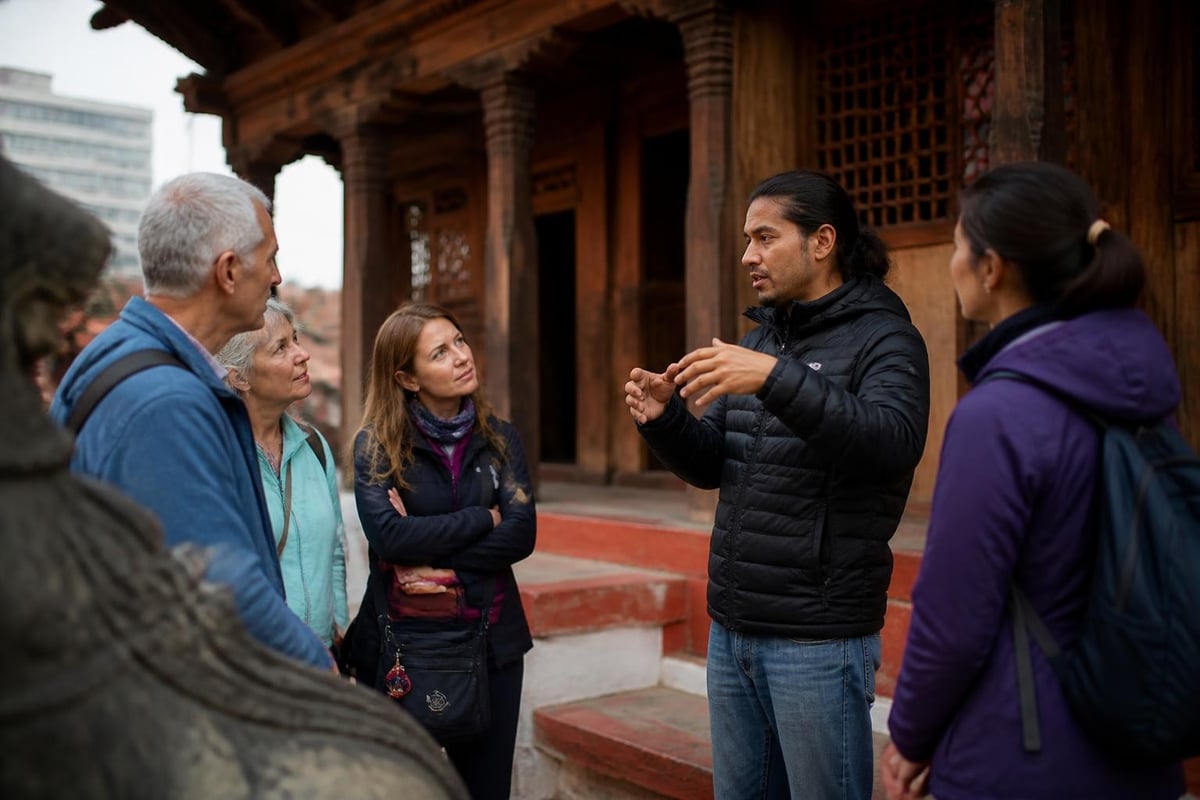
Selecting the right tour locations transforms ordinary sightseeing into unforgettable experiences. For tour operators and guides, the challenge extends beyond identifying popular landmarks to curating destinations that resonate with specific audiences. Whether planning cultural tours through historic districts or specialized themed excursions, understanding what makes certain locations compelling requires careful analysis of accessibility, authenticity, and audience expectations. The modern traveler seeks destinations that offer genuine connections, insider perspectives, and stories that bring places to life, making location selection a strategic imperative for successful guided experiences.
Understanding What Defines Compelling Tour Locations
The most effective tour locations combine multiple elements that engage visitors intellectually, emotionally, and visually. Successful destinations offer layers of meaning that guides can unpack through storytelling and interpretation.
Historical Significance and Narrative Potential
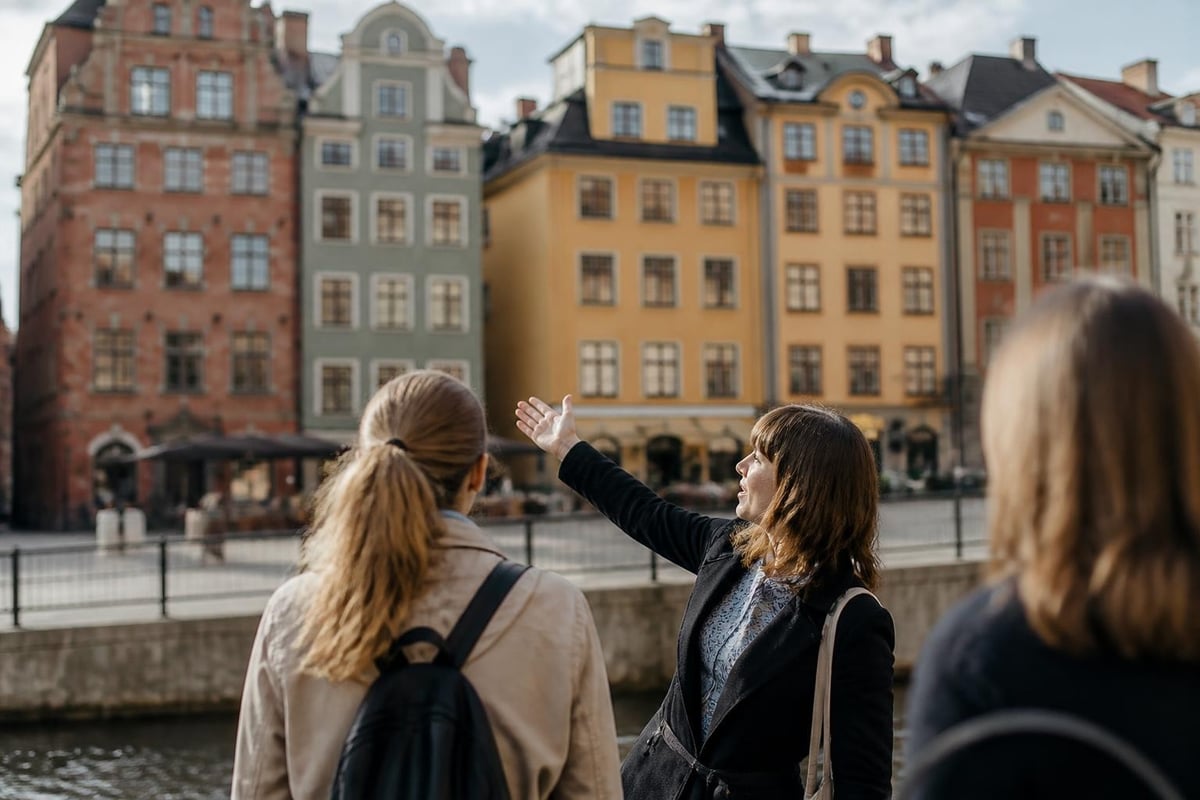
Tour locations gain depth when they anchor compelling narratives. Sites where significant events occurred, where cultural movements began, or where historical figures lived provide natural storytelling opportunities. Stockholm's Gamla Stan (Old Town) exemplifies this principle, with medieval streets that witnessed centuries of Swedish history, royal intrigue, and daily life evolution.
Key characteristics of historically rich locations include:
- Multiple periods represented in architecture and layout
- Documented events that shaped regional or national identity
- Physical evidence of past eras visible to contemporary visitors
- Connection points to broader historical themes
The narrative potential separates memorable tour locations from forgettable stops. Guides need material to contextualize what visitors see, transforming static buildings into portals to different eras.
Accessibility and Practical Considerations
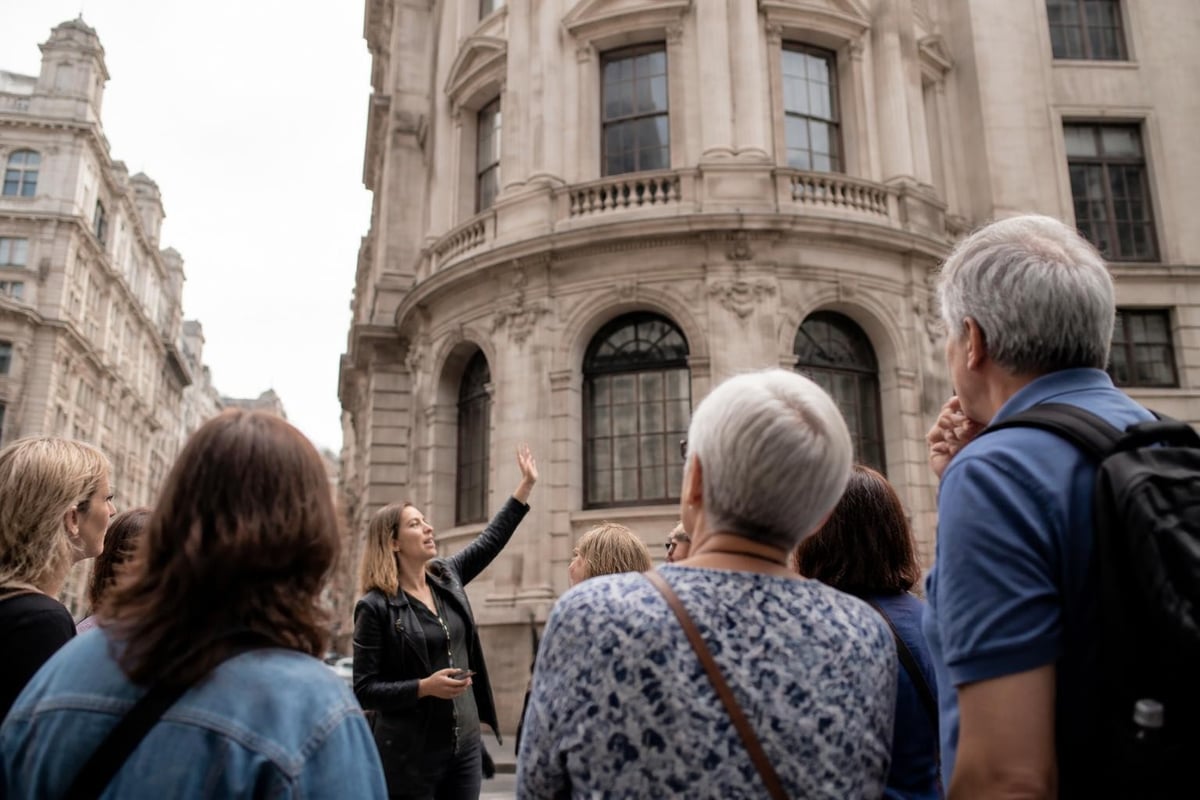
Even the most fascinating destinations fail as tour locations if logistical challenges overwhelm their appeal. Accessibility encompasses physical access, safety, crowd management, and timing considerations.
| Accessibility Factor | Why It Matters | Evaluation Questions |
|---|---|---|
| Physical access | Determines group composition limits | Can elderly or mobility-limited visitors participate? |
| Safety considerations | Protects participants and operator liability | Are pathways well-maintained and hazard-free? |
| Crowd density | Affects visitor experience quality | Can the location accommodate groups without overcrowding? |
| Seasonal variations | Impacts year-round viability | Does weather or daylight affect accessibility? |
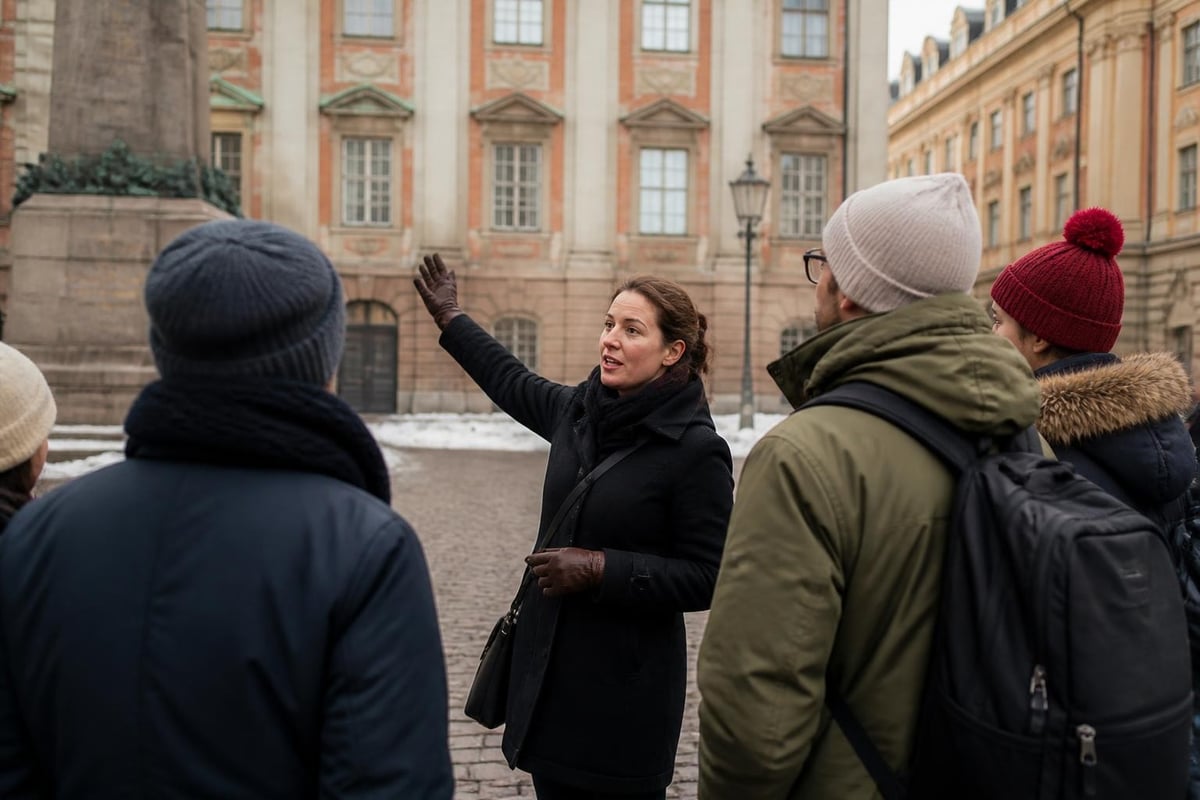
For operators offering Stockholm walking tours, terrain evaluation proves essential. Cobblestone streets in historic districts add authentic atmosphere but require different pacing and participant preparation than modern pedestrian zones.
Trending Destinations and Emerging Tour Locations
Global travel patterns continuously reshape which locations attract visitor interest. According to National Geographic’s Best of the World 2026 list, destinations gain prominence through combinations of cultural authenticity, sustainability initiatives, and unique experiences unavailable elsewhere.
Rising Regional Stars
Certain regions experience surges in tourism interest based on infrastructure improvements, cultural events, or shifting traveler priorities. The WTM Global Travel Trends Report identifies patterns showing travelers increasingly prioritize destinations offering cultural immersion over passive sightseeing.
Recent trends indicate:
- Heritage site popularity: Locations with UNESCO designation see increased demand
- Literary tourism growth: Places connected to books and authors attract dedicated followings
- Music heritage trails: Destinations linked to musical movements or artists develop tour circuits
- Sustainability showcases: Cities implementing green initiatives attract environmentally conscious travelers
Stockholm benefits from several trends simultaneously. The city's well-preserved historic core, connections to Swedish literary figures like Stieg Larsson, and ABBA's global cultural impact create multiple tour location opportunities within one metropolitan area.
Urban Versus Natural Settings
Tour locations divide broadly into urban environments and natural landscapes, each offering distinct advantages. Cities provide concentrated cultural attractions, dining options, and infrastructure supporting multiple daily tours. Natural settings offer space, tranquility, and opportunities for active engagement with landscapes.
Successful tour operators often blend both environments. A Stockholm-based itinerary might combine Old Town walking tours with excursions to Stockholm's archipelago, providing contrasting experiences that highlight regional diversity.
Strategic Selection for Specialized Tour Themes
Generic sightseeing routes work for broad audiences, but specialized themes allow tour operators to differentiate offerings and attract niche markets. Tour locations selected for themed experiences require stronger connections to specific narratives or interests.
Literary and Pop Culture Locations
Following fictional characters through real-world settings creates powerful connections for fans. Literary tours transform ordinary streets into story stages, letting participants experience narratives spatially rather than just textually.
Effective literary tour locations feature:
- Specific scenes set at identifiable addresses
- Author residences or workplaces open to interpretation
- Multiple connected sites creating coherent routes
- Visual elements matching book descriptions
The Millennium trilogy locations scattered across Stockholm demonstrate how fiction elevates otherwise unremarkable spaces. A particular café, subway station, or apartment building gains significance through narrative association, becoming pilgrimage sites for engaged readers.
Music Heritage Routes
Music-themed tour locations attract passionate audiences seeking connections to beloved artists and songs. These sites range from performance venues and recording studios to neighborhoods that shaped musical movements.
Stockholm's ABBA legacy provides rich material spanning:
- Performance venues where the group appeared
- Recording locations where hits were created
- Museums dedicated to preserving their history
- Islands and landscapes referenced in songs
- Places band members lived and socialized
Music tours work best when locations connect chronologically, telling the artist's story through geographical progression. This narrative structure helps participants understand artistic development within specific contexts.
Evaluating Visitor Experience Quality at Potential Locations
Beyond historical significance and thematic relevance, tour locations must deliver satisfying visitor experiences. This requires assessing how spaces function when occupied by groups receiving guided interpretation.
Acoustic and Visual Considerations
Guides need environments where their voices carry without overwhelming ambient noise. Similarly, visual elements must be viewable by entire groups without obstruction or dangerous positioning.
| Environmental Factor | Ideal Conditions | Common Challenges |
|---|---|---|
| Ambient noise levels | Low enough for normal speaking voice | Traffic, construction, other tour groups |
| Sightlines | Clear views from multiple positions | Crowds, architectural obstructions |
| Lighting conditions | Adequate for viewing details | Seasonal variations, interior dimness |
| Group gathering space | Room for 10-20 people comfortably | Narrow passages, conflicting pedestrian flow |
Testing potential tour locations at different times reveals how conditions change throughout days and seasons. A square perfect at 10 AM might become unusable by noon due to cruise ship tour congestion.
Interpretive Opportunities and Engagement Potential
The strongest tour locations offer multiple interpretive angles, allowing guides to tailor presentations to audience interests. A historic building might be discussed through architectural, social, economic, or biographical lenses depending on group composition.
Engagement potential also depends on sensory variety. Locations offering visual interest, tactile elements, distinctive sounds, or even characteristic scents create more memorable experiences than purely visual destinations. Stockholm's food markets, for instance, engage multiple senses while illustrating contemporary Swedish culture and historical trading patterns.
Balancing Iconic Sites with Hidden Discoveries
Most destinations feature well-known landmarks that appear on every itinerary alongside lesser-known locations that reward exploration. Strategic tour design balances both categories, meeting expectations while exceeding them through unexpected discoveries.
The Function of Anchor Locations
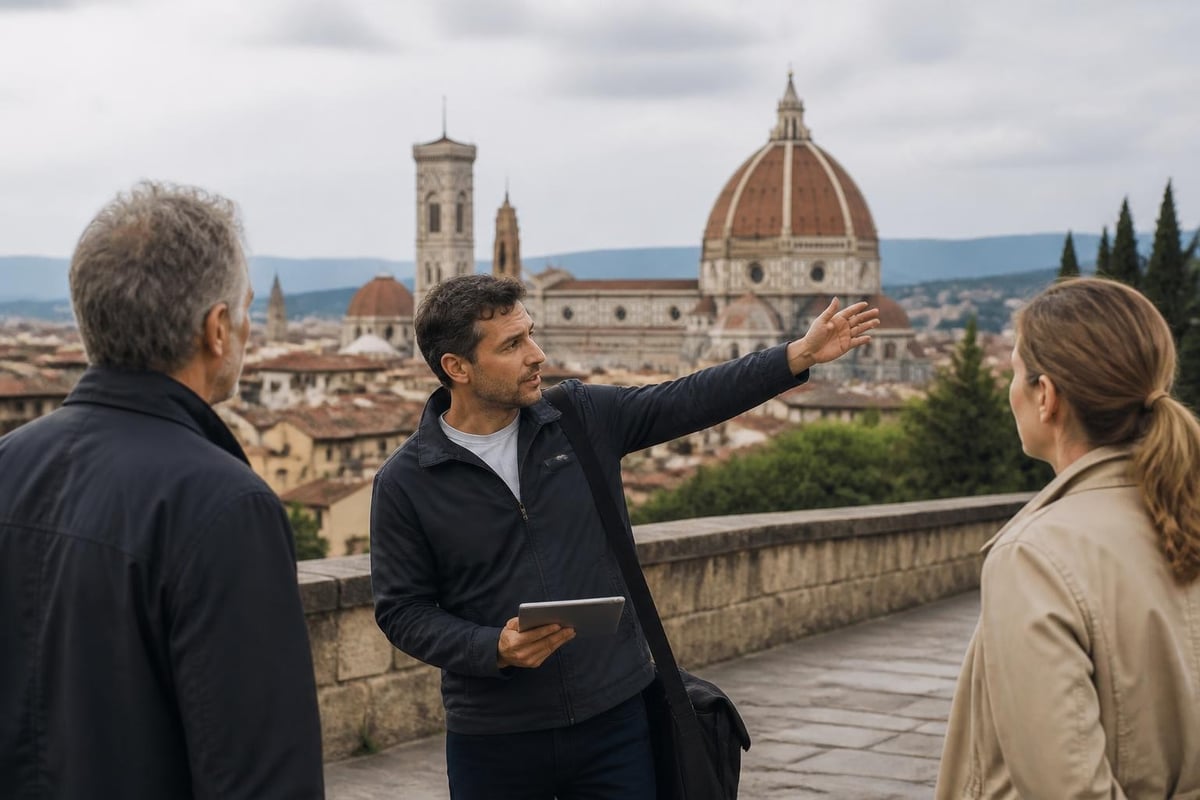
Major landmarks serve essential functions in tour planning. They provide orientation points, attract initial interest, and satisfy visitors' desire to see famous sites. The Royal Palace in Stockholm, for example, delivers expected grandeur while offering opportunities to discuss monarchy evolution, architectural history, and Swedish governance.
Anchor locations typically:
- Appear in destination marketing materials
- Generate word-of-mouth recommendations
- Provide photograph opportunities visitors seek
- Connect to widely recognized historical narratives
However, spending entire tours at famous sites misses opportunities for differentiation. Most visitors can access major landmarks independently; guided tours add value through context, hidden details, and access to overlooked spaces.
Discovering and Developing Hidden Gems
Lesser-known tour locations require more interpretive effort but reward visitors with exclusive discoveries. These sites might include:
- Narrow alleys with architectural details overlooked by casual visitors
- Local cafés or shops with significant historical connections
- Viewpoints offering unique perspectives on familiar landmarks
- Residential areas exemplifying historical urban development
- Monuments or plaques commemorating locally significant events
For operators providing private tour guide services in Stockholm, hidden locations demonstrate insider knowledge that generic tours cannot replicate. These discoveries create perception of special access, even when locations are technically public.
Adapting Tour Locations to Group Dynamics
Different audiences require different location types and presentation approaches. Family groups, corporate teams, solo travelers joining group tours, and special interest enthusiasts each respond to locations differently.
Customizing for Audience Composition
Family-friendly locations prioritize:
- Safety and supervision ease
- Visual interest maintaining children's attention
- Space for movement and energy release
- Educational value presented accessibly
- Facilities including restrooms and refreshments
Corporate or professional groups value:
- Locations demonstrating innovation or business success
- Networking-friendly environments
- Efficient routing maximizing limited time
- Prestige associations enhancing company image
- Catering and meeting space availability
Understanding audience composition shapes which locations work best. The traveller interest in UNESCO World Heritage Sites varies significantly between educational travelers seeking cultural depth and leisure tourists wanting memorable photographs.
Seasonal Location Variations
Tour locations that excel in summer might become impractical during winter months, requiring seasonal itinerary adjustments. Stockholm's northern latitude creates dramatic seasonal differences affecting both practical access and aesthetic appeal.
Summer advantages include extended daylight hours enabling longer tours, outdoor café seating facilitating breaks, and pleasant weather for walking. Winter offers different attractions: Christmas markets transforming squares, reduced tourist crowds at major sites, and atmospheric lighting creating photogenic conditions.
Successful operators develop seasonal location rotations rather than forcing year-round use of identical routes. This approach keeps offerings fresh while addressing practical realities.
Measuring Location Effectiveness and Gathering Feedback
Once tour locations enter regular rotation, ongoing evaluation ensures they continue meeting objectives. Systematic feedback collection and performance analysis identify which sites resonate most strongly with visitors.
Quantitative Performance Indicators
Certain metrics reveal location effectiveness objectively:
- Time spent at each location compared to schedule allocations
- Photograph frequency indicating visual appeal
- Question volume suggesting engagement levels
- Return visitor requests for specific locations
- Online review mentions of particular sites
These measurements help identify which locations justify their time allocation and which might be candidates for replacement or repositioning within itineraries.
Qualitative Visitor Responses
Beyond numbers, participant comments reveal emotional and intellectual impacts. Post-tour surveys asking visitors to identify highlights often reveal surprising preferences. Locations guides consider secondary might emerge as tour highlights, while assumed favorites sometimes disappoint.
Effective feedback questions include:
- Which location surprised you most positively?
- Where did you feel most connected to the destination's history?
- Which site would you recommend most strongly to friends?
- What location would you remove or replace if redesigning the tour?
This feedback informs continuous improvement, helping refine location selections and interpretive approaches. For tailored tour operators, client input directly shapes future customized itineraries.
Maintaining Sustainable Relationships with Tour Locations
Responsible tour operations require maintaining positive relationships with locations, especially those involving private property, small businesses, or sensitive heritage sites. Over-tourism damages the very attributes that make destinations attractive, requiring careful capacity management.
Community Integration and Respect
Tour locations exist within living communities whose daily routines tours should respect. Residential neighborhoods, active religious sites, and working commercial districts accommodate tourism but shouldn't be overwhelmed by it.
Best practices include:
- Limiting group sizes to minimize disruption
- Scheduling tours during appropriate hours
- Educating participants about respectful behavior
- Supporting local businesses through partnerships
- Contributing to site preservation and maintenance
Stockholm's compact historic center exemplifies the balance required. Gamla Stan serves simultaneously as major tourist attraction, residential neighborhood, and government center. Tours succeed when they enhance rather than disrupt this mixed-use environment.
Long-term Location Viability
The most effective tour locations maintain their appeal across years or decades. This longevity requires preservation efforts, adaptive reuse of historic structures, and community investment in cultural infrastructure.
Tour operators contribute to location sustainability by:
- Educating visitors about preservation importance
- Following regulations protecting sensitive sites
- Partnering with cultural institutions and heritage organizations
- Promoting shoulder-season visitation to reduce peak-period pressure
- Incorporating emerging attractions to distribute visitor flows
According to adventure travel bookings for 2026, travelers increasingly prioritize sustainable tourism options that minimize environmental and cultural impact.
Selecting tour locations requires balancing historical significance, practical accessibility, thematic relevance, and visitor engagement potential while respecting local communities and ensuring long-term sustainability. The most successful guided experiences combine iconic landmarks with hidden discoveries, offering perspectives that independent exploration cannot match. If you're planning to explore Stockholm with a group, Adding:tours creates personalized experiences that showcase the city's most compelling locations, from medieval Old Town streets to literary landmarks and musical heritage sites, all guided by native English speakers who share exclusive local insights.