
Sightseeing Tours: Complete Guide for 2026
Traveling to a new destination offers endless possibilities, but navigating unfamiliar streets, uncovering hidden gems, and understanding local culture can be challenging without proper guidance. Sightseeing tours bridge this gap by providing structured, expert-led experiences that transform ordinary visits into memorable journeys. Whether you're exploring historic landmarks, cultural institutions, or off-the-beaten-path neighborhoods, guided experiences offer insights that independent travel often misses. In 2026, travelers increasingly seek personalized, authentic encounters that go beyond surface-level attractions, making the right tour selection more important than ever.
The Evolution of Guided Tour Experiences
The landscape of sightseeing tours has transformed dramatically over the past decade. Traditional large-group bus tours, while still available, have given way to more intimate, customized experiences that cater to specific interests and preferences.
Modern travelers prioritize quality over quantity, seeking depth rather than rushing through a checklist of landmarks. This shift has prompted tour operators to develop specialized offerings, from literary walks following famous authors' footsteps to culinary adventures exploring local food scenes. Private tour guide experiences have become particularly popular among families and small groups who value flexibility and personalized attention.
The pandemic accelerated several key trends that continue to shape the industry:
- Enhanced health and safety protocols that build traveler confidence
- Smaller group sizes for more meaningful interactions
- Digital integration for seamless booking and real-time updates
- Sustainability-focused itineraries that minimize environmental impact
- Hybrid experiences combining in-person and virtual elements
Safety and Health Considerations
Tour operators now implement comprehensive safety measures aligned with Safe Travels global protocols established by international tourism organizations. These standards cover everything from vehicle sanitization to guide training, ensuring travelers can explore with confidence.
Choosing the Right Type of Sightseeing Tour
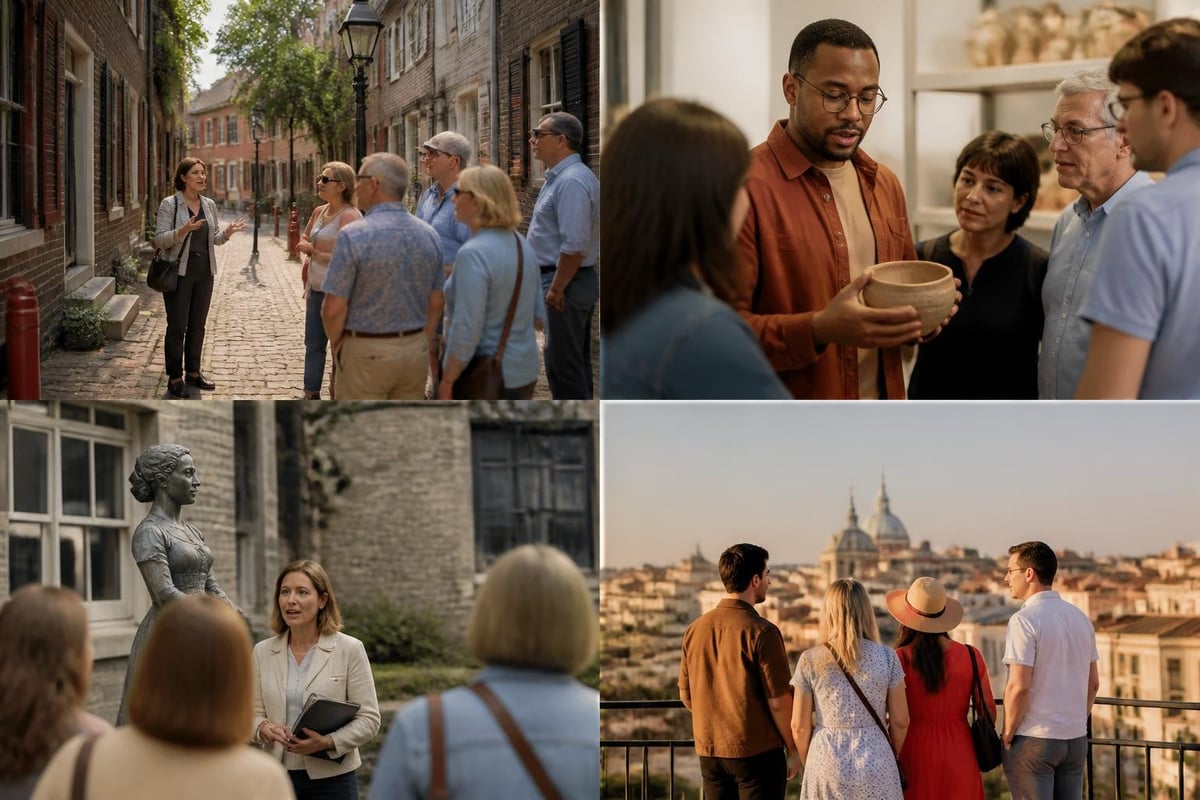
Selecting the appropriate tour format depends on multiple factors, including group size, physical ability, time constraints, and personal interests. Understanding the available options helps travelers make informed decisions that align with their expectations.
| Tour Type | Best For | Duration | Group Size |
|---|---|---|---|
| Walking Tours | History buffs, architecture enthusiasts | 2-4 hours | 6-15 people |
| Private Group Tours | Families, corporate teams, special occasions | Flexible | 2-10 people |
| Themed Tours | Special interests (food, literature, music) | 3-6 hours | 4-12 people |
| Full-Day Excursions | Comprehensive exploration | 6-8 hours | 8-20 people |
| Multi-Day Adventures | Deep cultural immersion | 2-7 days | 10-16 people |
Walking Tours and Urban Exploration
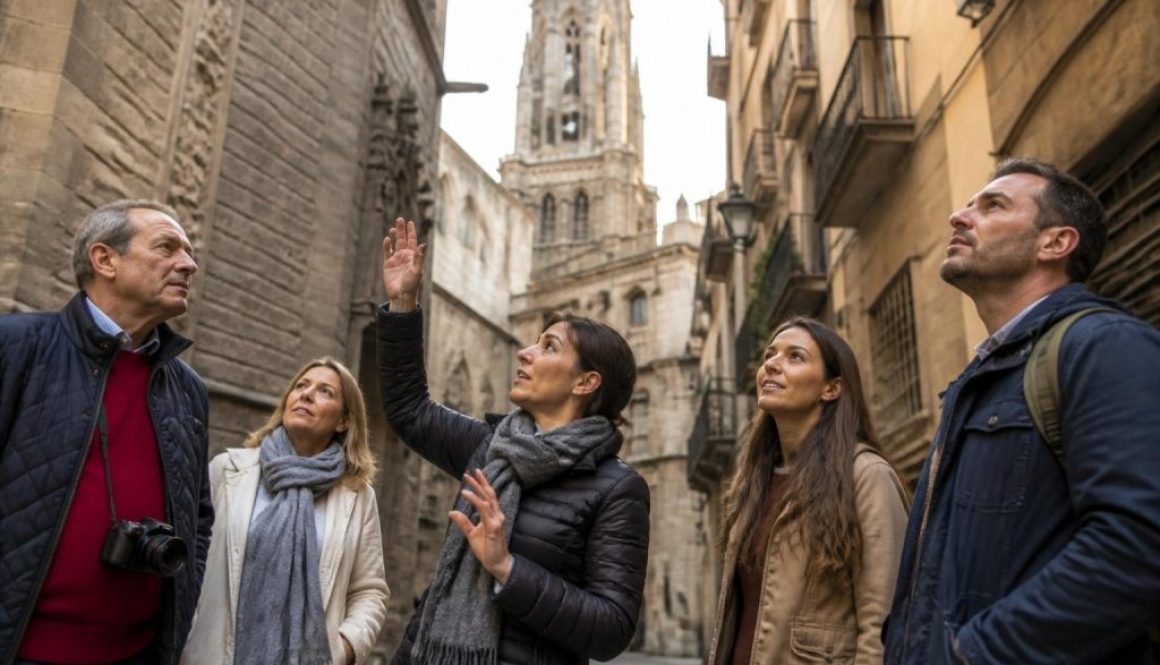
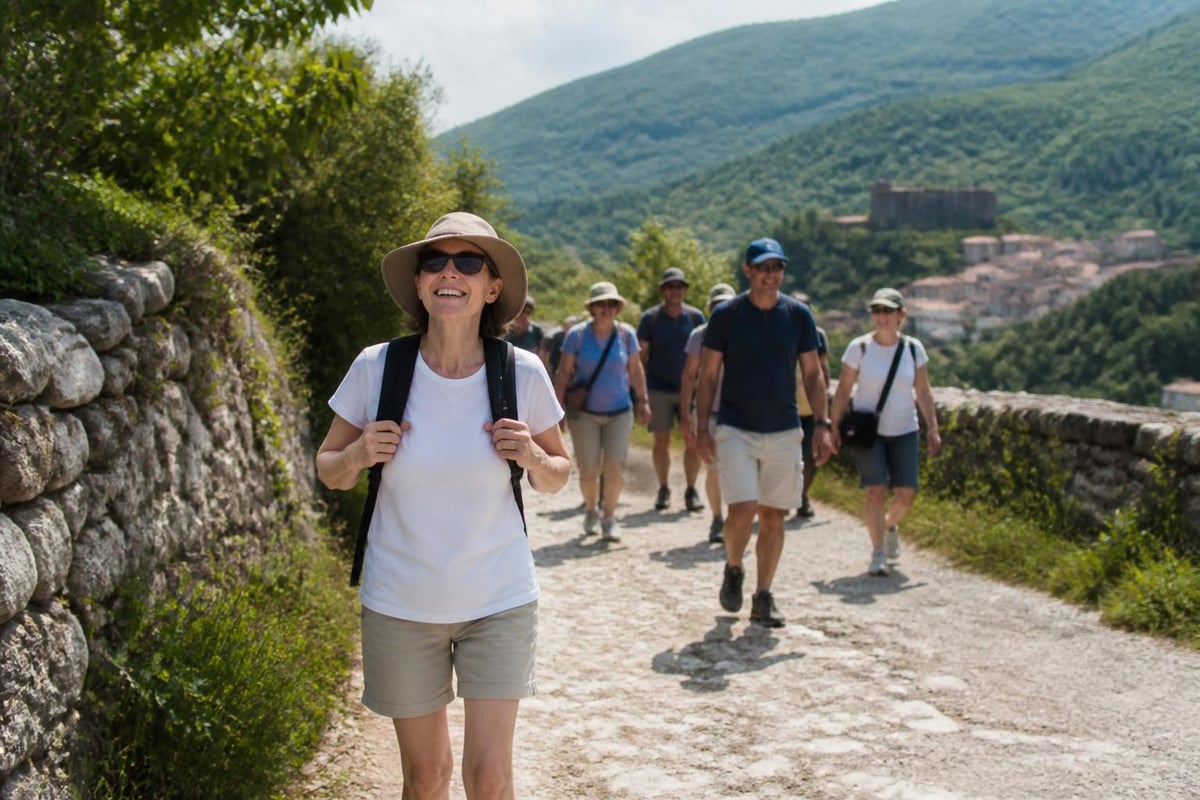
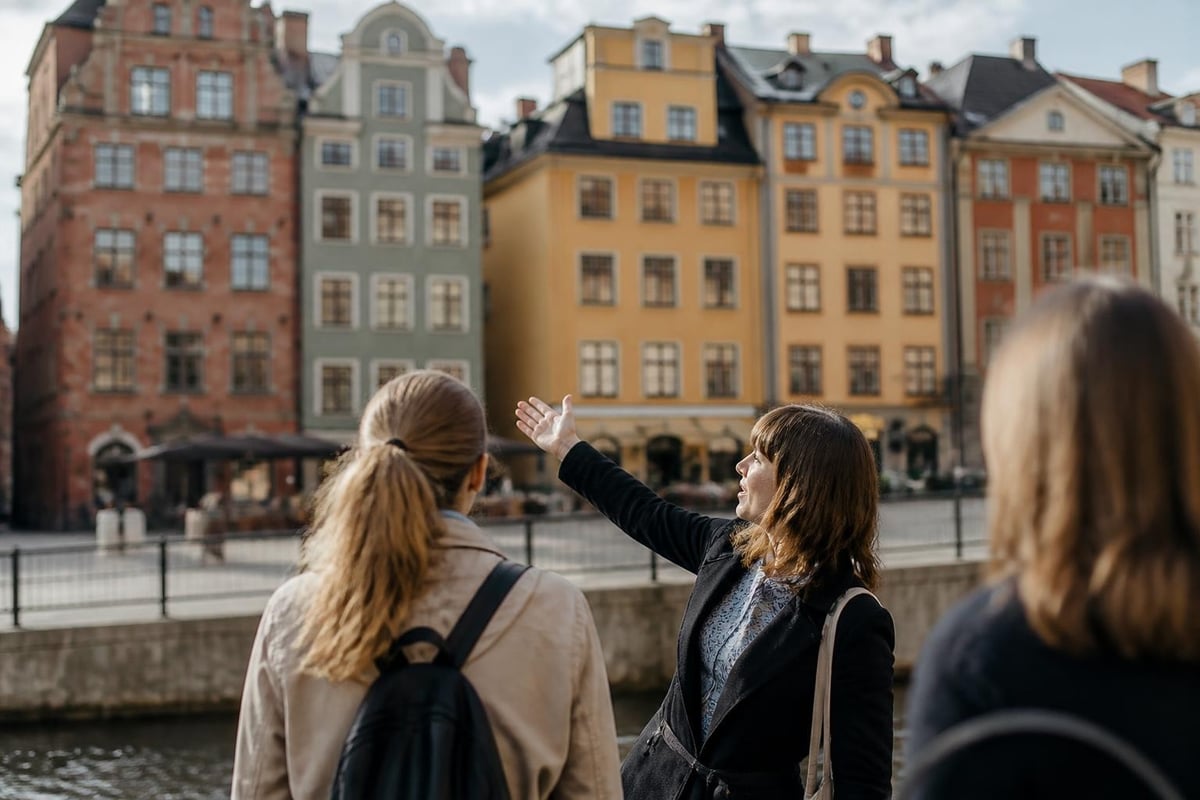
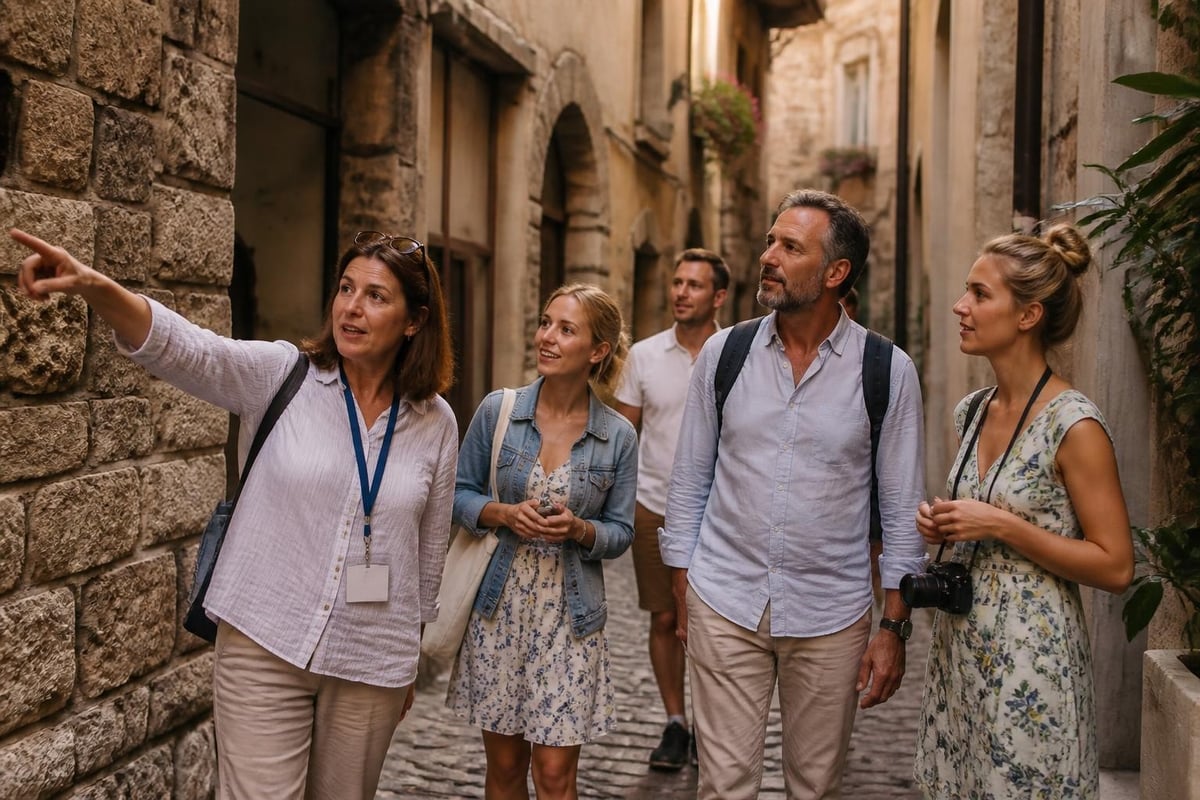
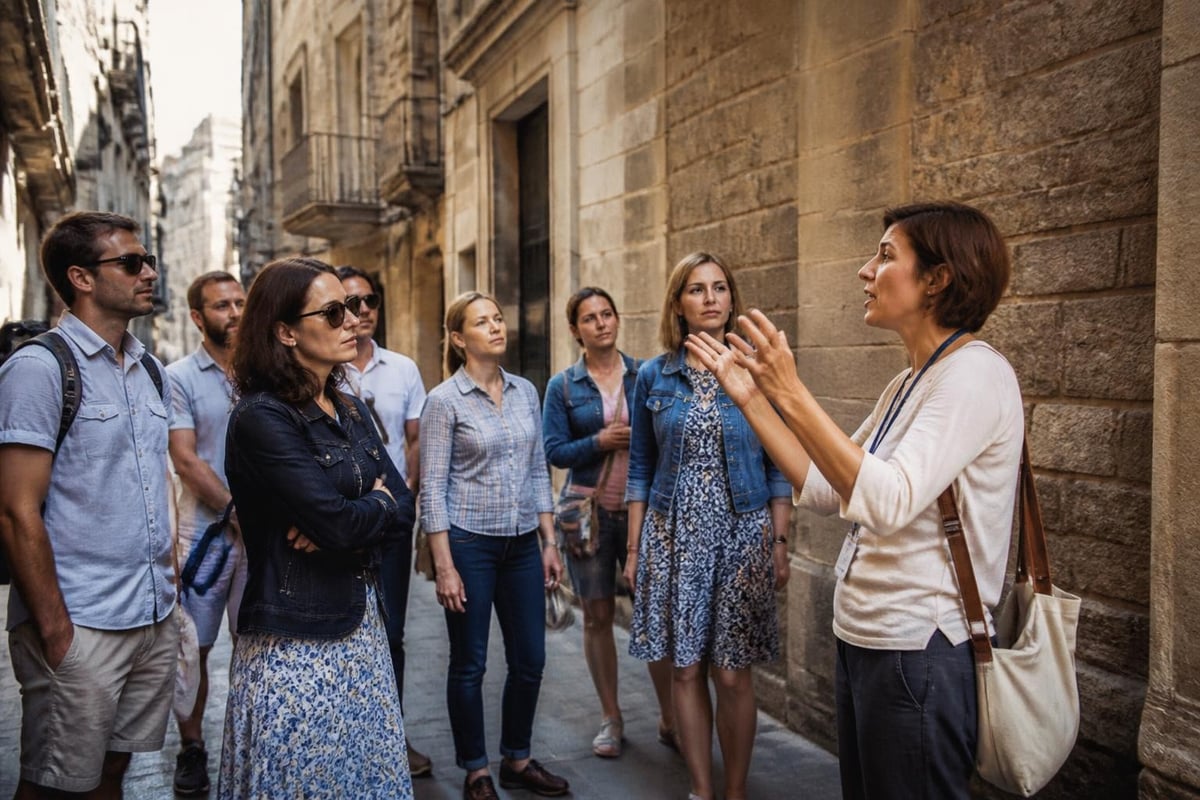
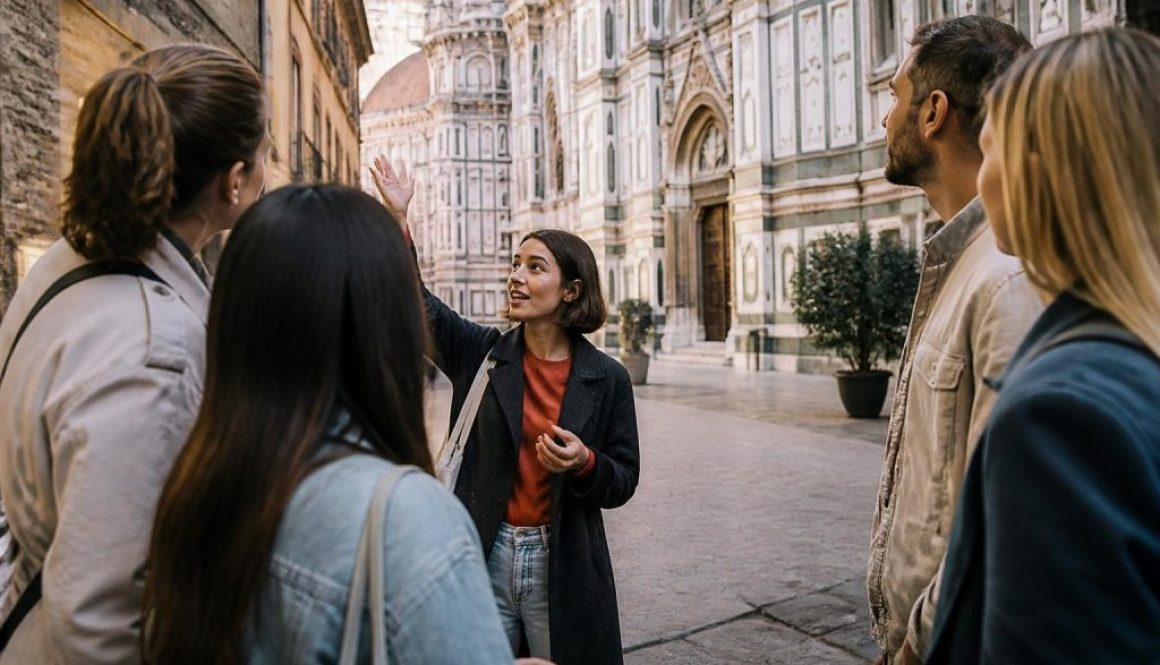
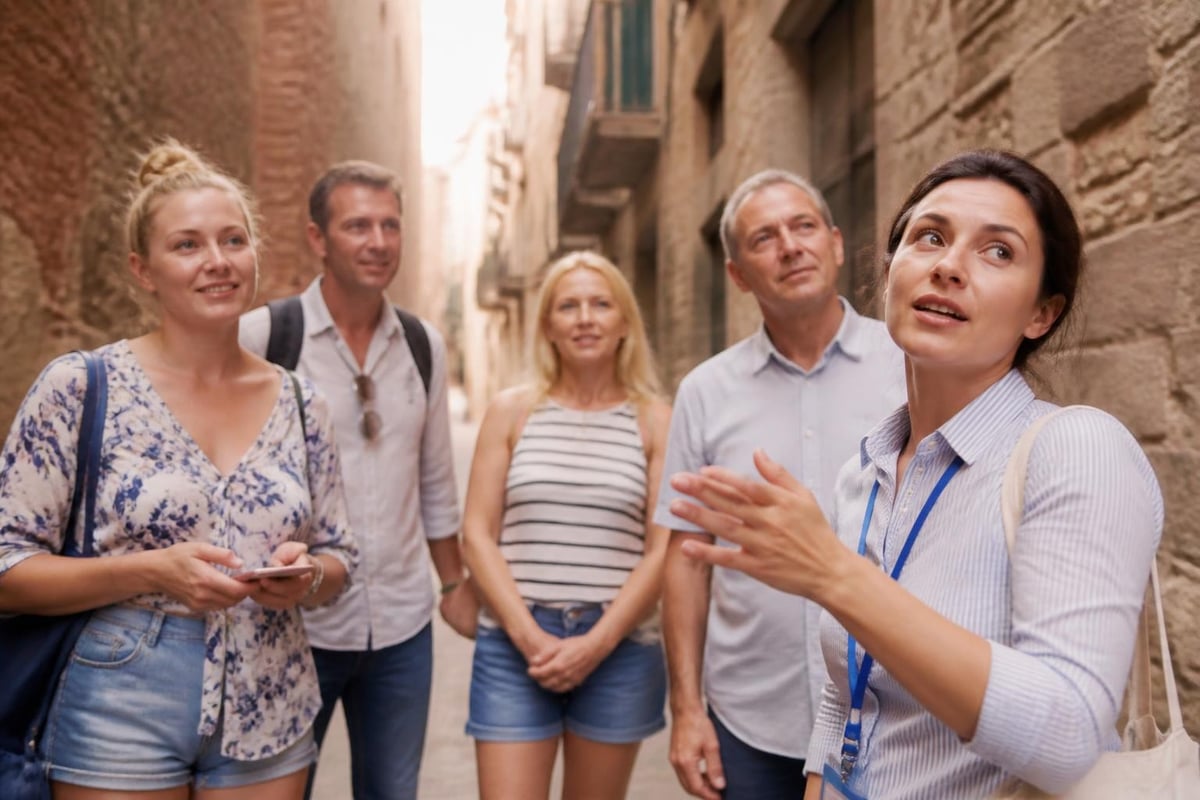
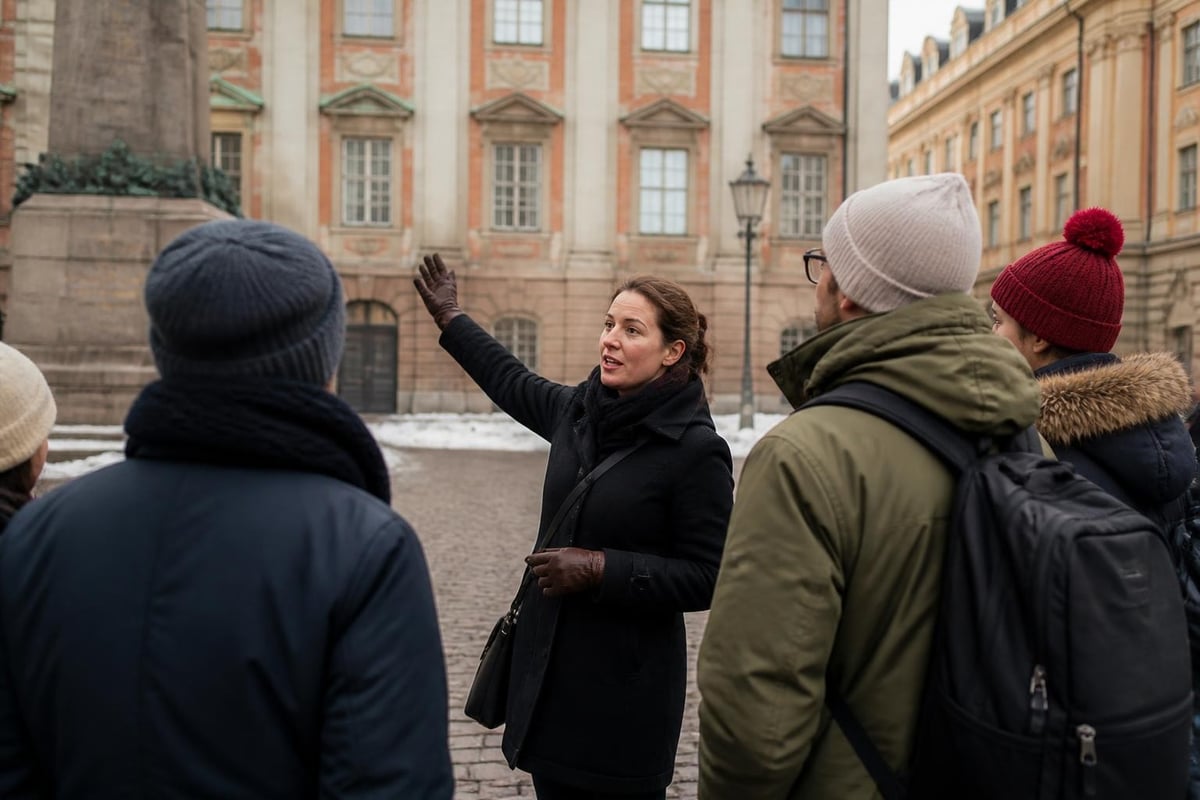
Stockholm walking tours exemplify how pedestrian experiences reveal layers of history and culture impossible to appreciate from a vehicle. These tours allow participants to pause, photograph, ask questions, and truly absorb their surroundings. Walking through narrow medieval alleys or across historic squares creates visceral connections to the past that resonate long after the tour concludes.
Benefits of walking tours include:
- Intimate access to pedestrian-only areas and hidden courtyards
- Opportunities for spontaneous discoveries and local interactions
- Environmental sustainability with zero emissions
- Health benefits from moderate physical activity
- Enhanced sensory engagement with sights, sounds, and scents
The Value of Expert Local Guides
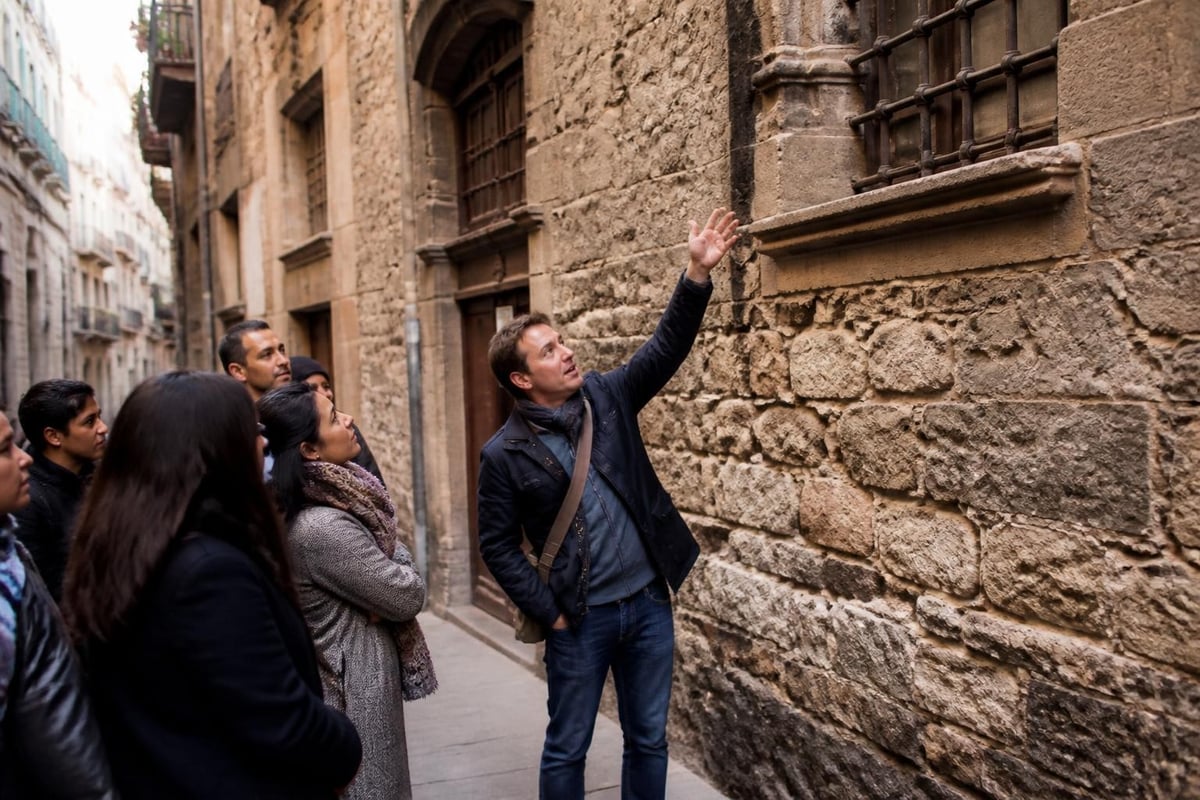
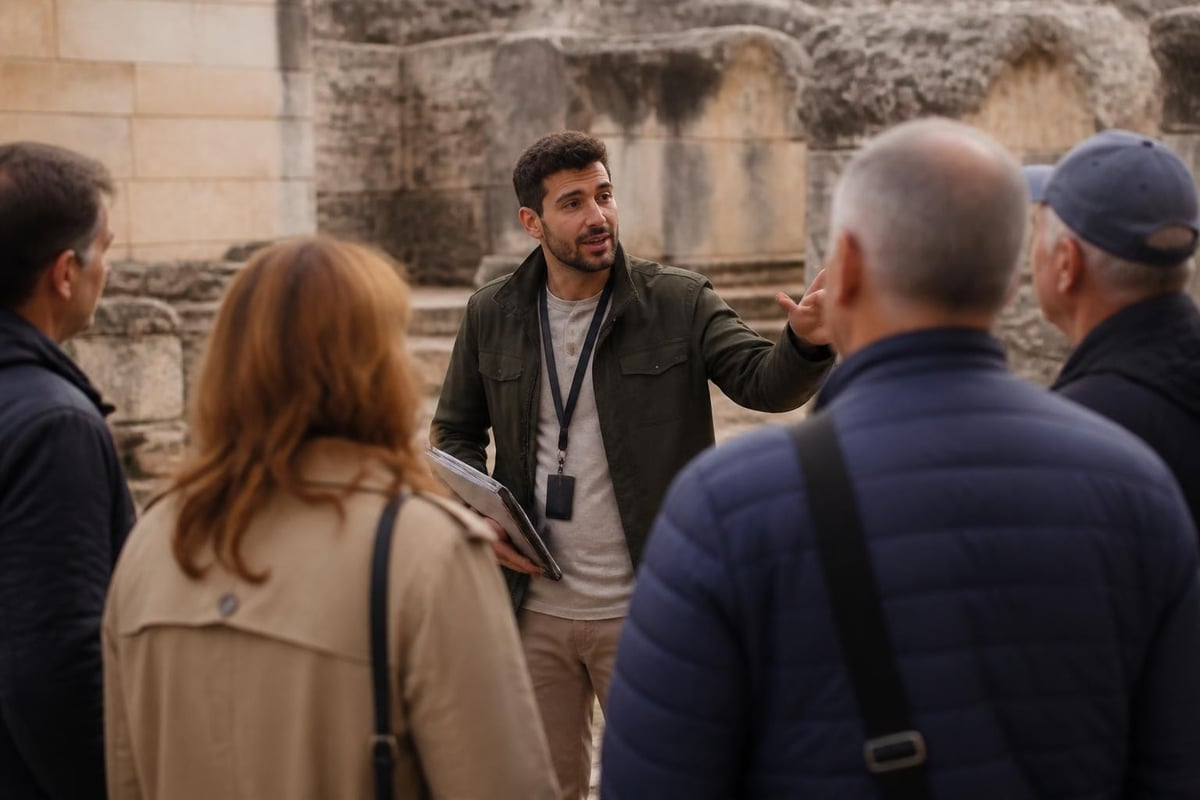
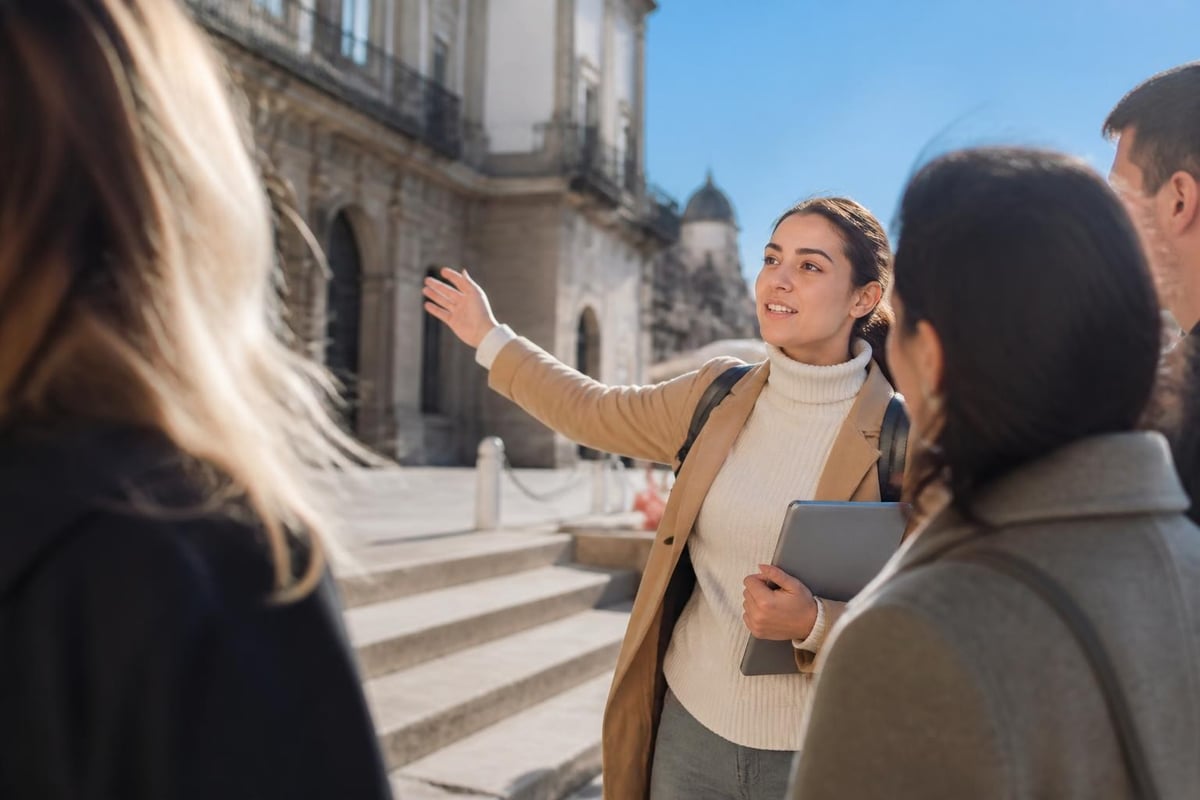
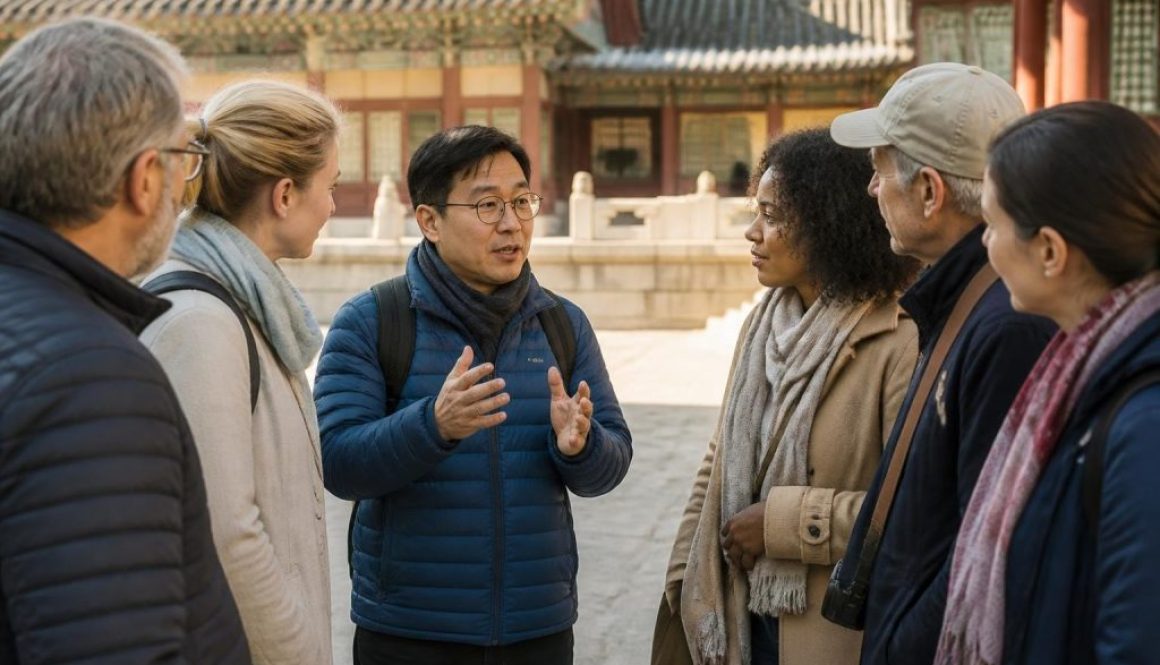
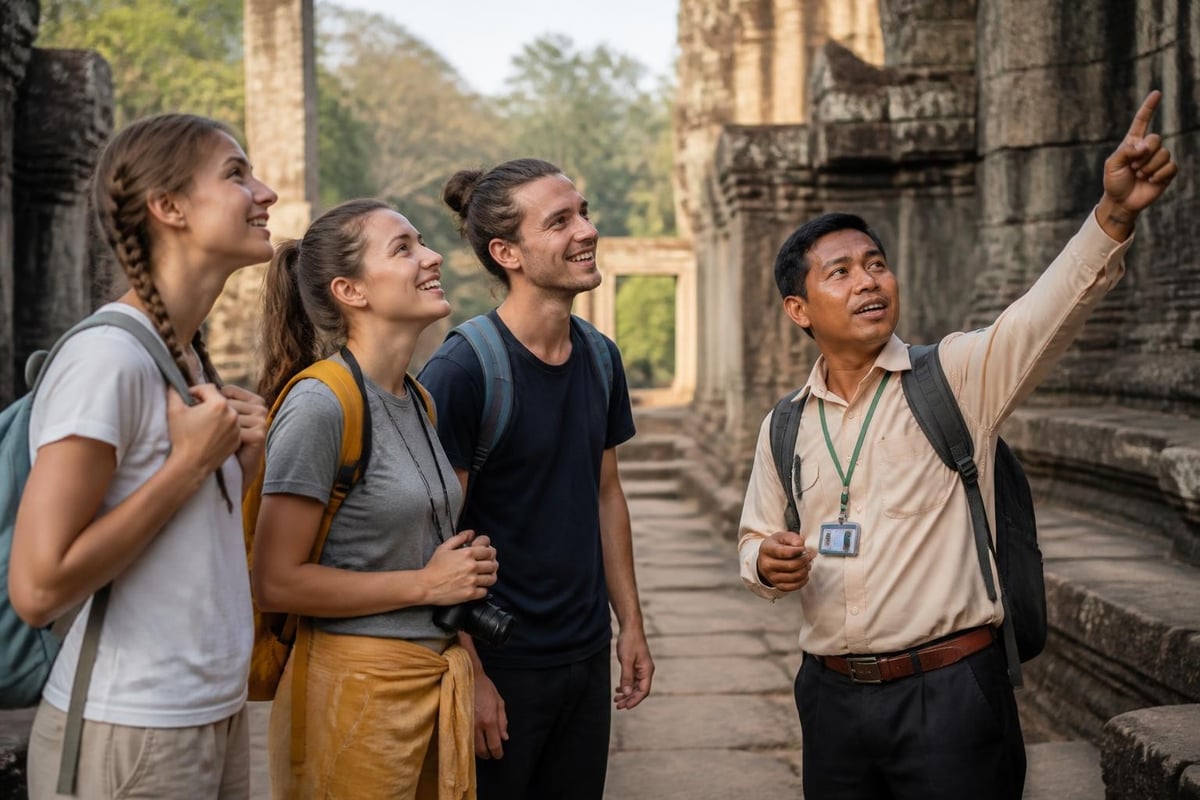
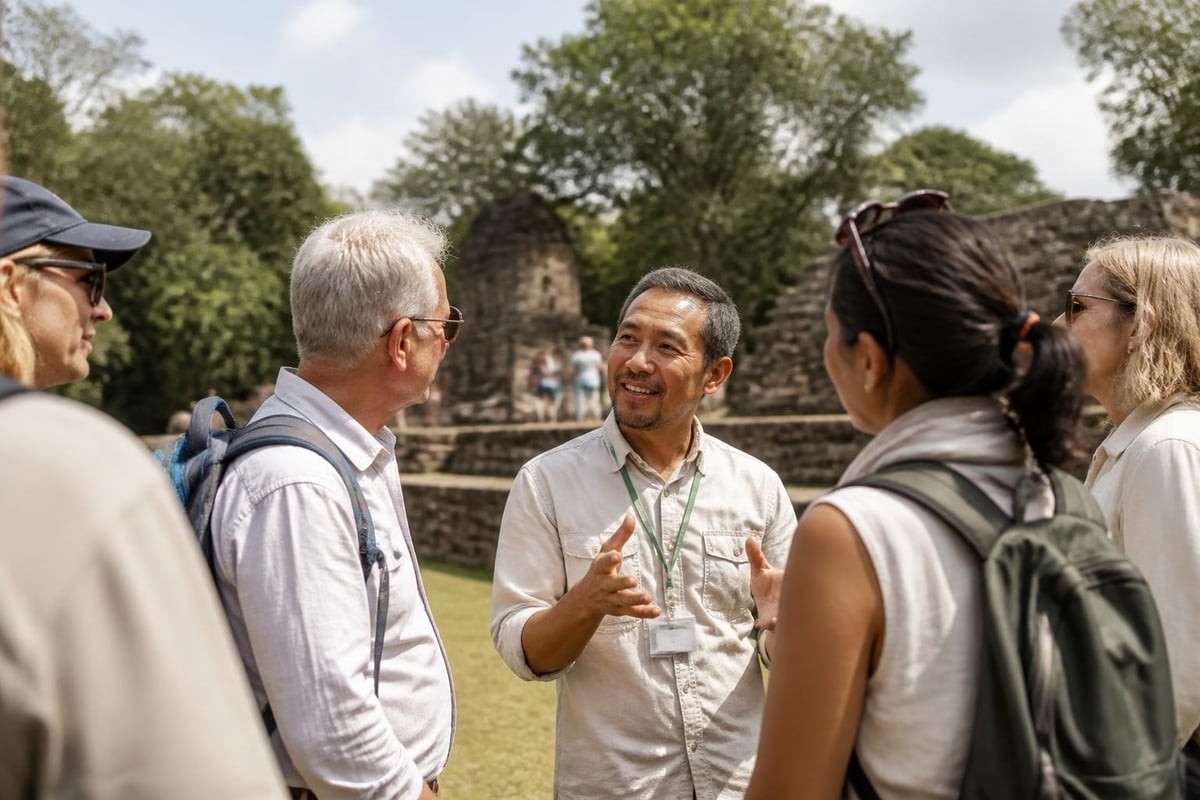
The difference between a good tour and an exceptional one often comes down to the guide. Native English-speaking guides who possess deep local knowledge transform sightseeing from passive observation to active engagement. They don't simply recite facts; they share personal stories, answer nuanced questions, and adapt their commentary to group interests.
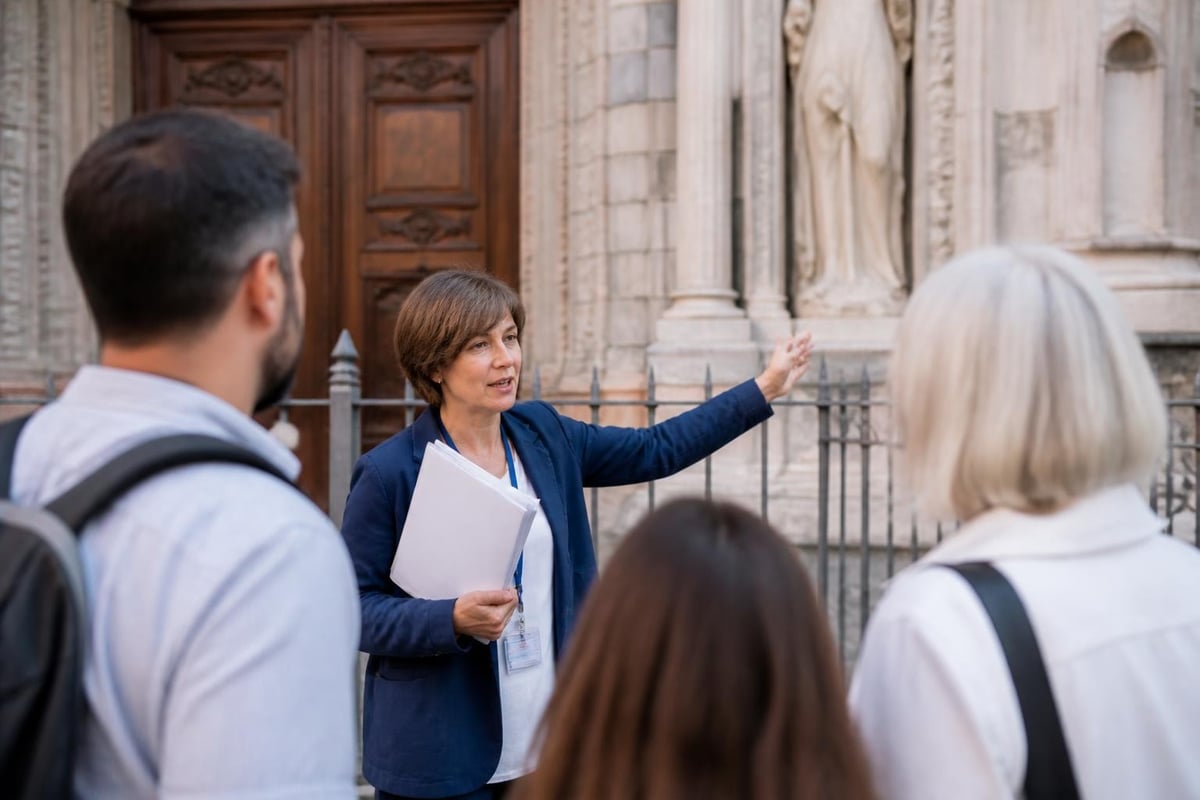
Professional guides serve multiple roles simultaneously. They function as historians, storytellers, problem-solvers, and cultural interpreters. When unexpected situations arise, experienced guides smoothly adjust itineraries, find alternative routes, or pivot to backup plans without disrupting the experience.
Insider Access and Hidden Perspectives
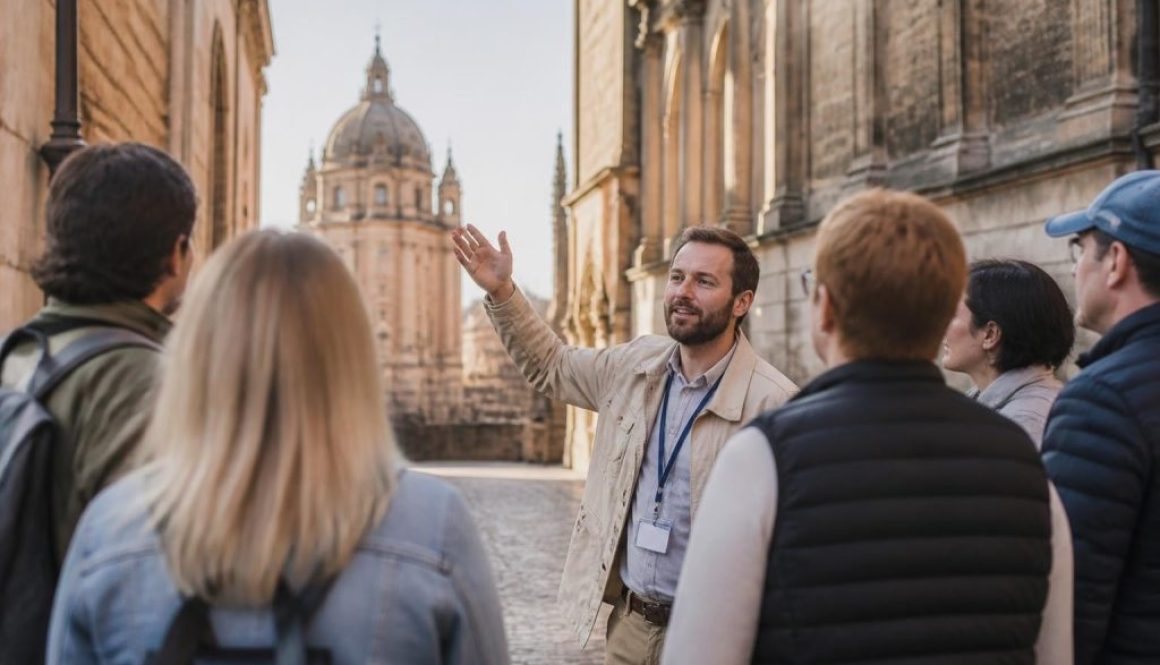
Local guides provide access to experiences unavailable to independent travelers. They know which times to visit popular attractions to avoid crowds, which family-run cafes serve authentic regional cuisine, and which viewpoints offer the best photographs. Your tour guide becomes your advocate, translator, and connection to the destination's authentic character.
The storytelling aspect distinguishes memorable tours from forgettable ones. Rather than listing construction dates and architectural styles, skilled guides weave narratives that contextualize landmarks within broader historical and cultural frameworks. They explain how events centuries ago continue influencing contemporary life, helping visitors understand destinations as living communities rather than open-air museums.
Personalization and Custom Itineraries
Generic, one-size-fits-all tours increasingly fail to satisfy modern travelers seeking meaningful, personalized experiences. Tailored tours designed around specific interests, mobility levels, and time availability deliver superior value and satisfaction.
Customization options include:
- Thematic focus: Concentrate on specific aspects like architecture, political history, religious heritage, or contemporary culture
- Pace adjustment: Modify walking speed, break frequency, and activity intensity for different age groups and fitness levels
- Interest integration: Incorporate photography stops, shopping opportunities, or meal breaks at preferred restaurant types
- Language preferences: Ensure commentary matches linguistic comfort levels and cultural backgrounds
- Schedule flexibility: Start times, duration, and meeting locations adapted to travel plans
The beauty of private group tours lies in their adaptability. If a particular story resonates with the group, guides can expand on that topic. If certain sites hold less interest, itineraries can shift focus elsewhere. This responsive approach maximizes engagement and ensures every participant finds value in the experience.
Themed Tours: Following Passions Through Cities
Specialized sightseeing tours cater to specific interests, allowing enthusiasts to explore destinations through focused lenses. These thematic experiences attract passionate travelers seeking depth rather than breadth.
Literary and Cultural Adventures
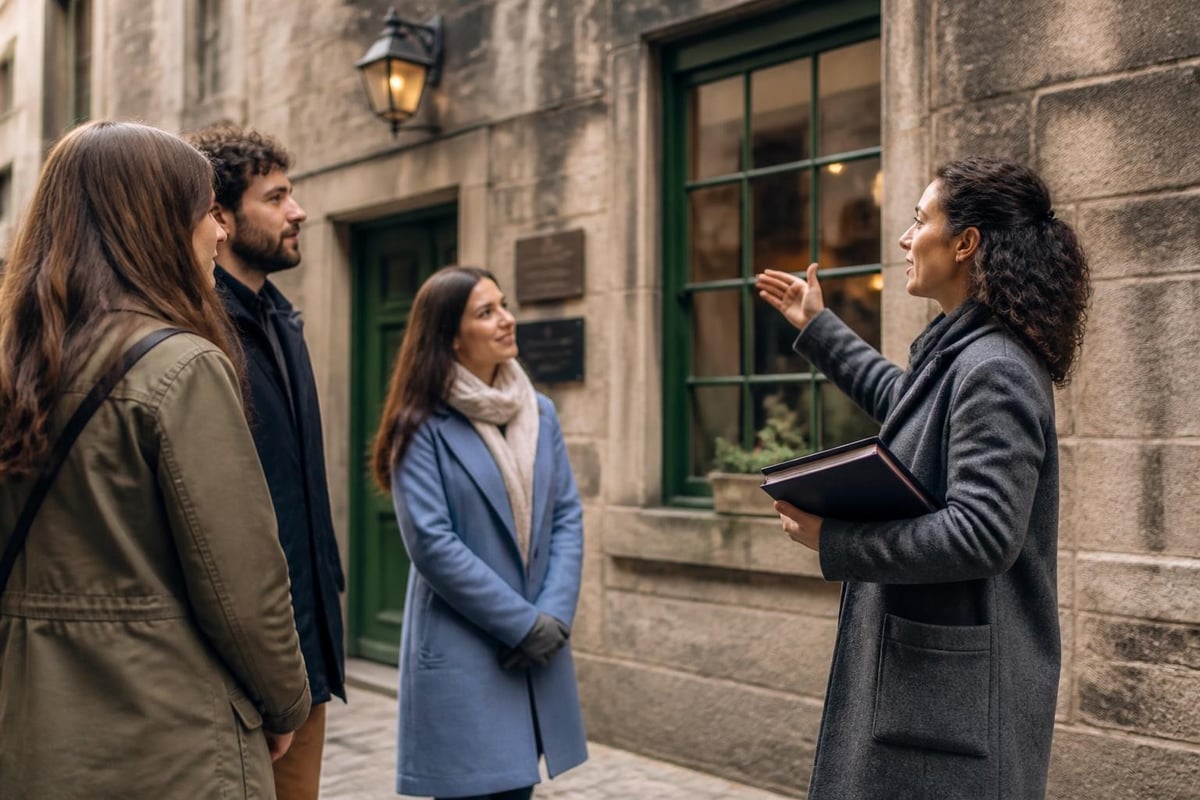
Literature-themed tours have gained popularity among book lovers who want to walk in their favorite characters' footsteps. Stockholm offers particularly rich opportunities for fans of Scandinavian crime fiction, with tours exploring locations featured in Stieg Larsson's Millennium trilogy. These experiences blend fiction with reality, visiting actual cafes, offices, and neighborhoods described in the novels while discussing Swedish society and contemporary issues.
Popular themed tour categories:
- Architectural movements and influential designers
- Historical periods and transformative events
- Culinary traditions and local food scenes
- Music heritage and performing arts venues
- Film locations and cinematic history
- Religious and spiritual sites
Music and Entertainment Experiences
Music-focused tours celebrate destinations' sonic legacies, from classical composers to contemporary pop phenomena. ABBA tours in Stockholm connect fans with the iconic band's history, visiting recording studios, performance venues, and related landmarks. These experiences often incorporate multimedia elements, playing relevant music at appropriate locations to enhance emotional connections.
Sustainable and Responsible Tourism Practices
Environmental consciousness increasingly influences tour selection as travelers recognize their impact on destinations. Operators implementing sustainable tourism standards demonstrate commitment to preserving natural and cultural resources for future generations.
| Sustainability Practice | Environmental Benefit | Implementation Example |
|---|---|---|
| Walking-based tours | Zero emissions, reduced noise pollution | Urban exploration on foot |
| Small group sizes | Minimized crowding, reduced strain on sites | Maximum 10-12 participants |
| Local partnerships | Support community economies | Family-owned restaurants, artisan shops |
| Digital materials | Reduced paper waste | Mobile apps, email confirmations |
| Off-peak scheduling | Distributed visitor pressure | Morning or late afternoon tours |
Nature-positive tourism extends beyond environmental protection to actively contribute to biodiversity conservation and ecosystem restoration. IUCN guidance on nature-positive tourism helps operators design experiences that benefit rather than harm natural environments.
Supporting Local Communities
Responsible sightseeing tours prioritize local benefit, ensuring tourism revenues support community development rather than extractive economic models. This includes employing local guides, partnering with neighborhood businesses, and educating visitors about cultural sensitivities and appropriate behavior.
Planning and Booking Your Perfect Tour
Successful tour experiences begin with thoughtful planning and realistic expectations. Understanding what to look for when evaluating options helps ensure satisfaction and value.
Research considerations:
- Operator reputation: Read recent reviews focusing on guide knowledge, punctuality, and responsiveness
- Group composition: Verify whether tours accommodate mixed ages, families with children, or specific demographics
- Cancellation policies: Understand refund terms and weather-related contingencies
- Accessibility features: Confirm wheelchair access, rest stop frequency, and physical demands
- Included elements: Clarify what's covered (admission fees, meals, transportation) versus additional costs
Stockholm city tours demonstrate how well-designed experiences balance popular landmarks with lesser-known sites, creating comprehensive yet manageable itineraries. The best tours maintain narrative coherence, connecting individual stops within broader thematic frameworks rather than presenting disconnected facts.
Timing and Seasonal Considerations
Season significantly impacts tour quality and availability. Summer offers extended daylight and pleasant weather but brings larger crowds and higher prices. Shoulder seasons (spring and fall) provide excellent compromises with moderate temperatures, manageable visitor numbers, and often discounted rates.
Before booking, consult CDC travel health notices for current health guidance and any destination-specific advisories that might affect your plans. This proactive approach helps avoid surprises and ensures safe, enjoyable experiences.
Technology Integration and Modern Conveniences
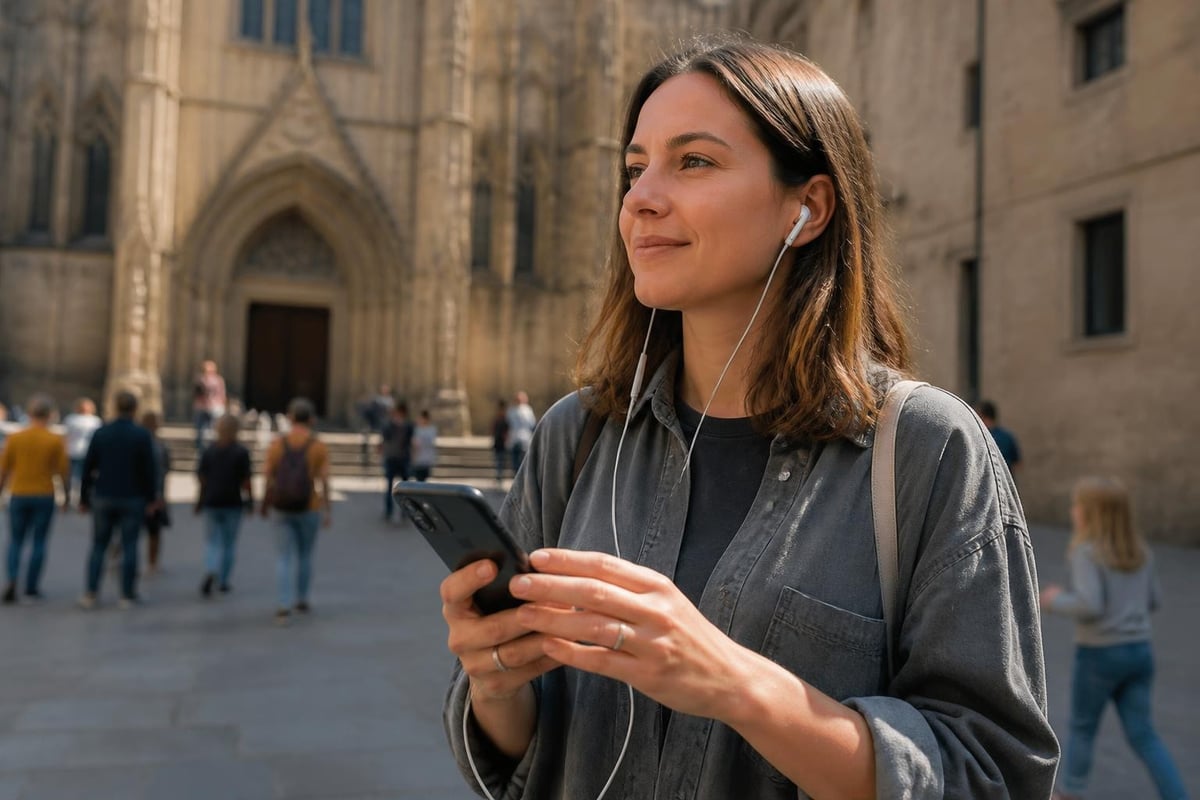
Digital innovation enhances rather than replaces human-guided experiences. Mobile apps provide supplementary information, interactive maps, and post-tour resources without diminishing the guide's central role. Some operators offer audio components allowing participants to revisit favorite stories or explore related topics at their own pace after tours conclude.
Accessibility extends to digital platforms as well. Tour websites implementing Web Content Accessibility Guidelines ensure travelers with disabilities can research, compare, and book experiences independently. This includes screen reader compatibility, keyboard navigation, and clear information architecture.
Technology enhancements in modern tours:
- Real-time booking confirmations and itinerary updates
- GPS-enabled meeting point instructions
- Digital photo sharing from tour experiences
- Post-tour resource libraries and recommendation lists
- Virtual pre-tour orientations for complex itineraries
Maximizing Your Tour Experience

Active participation significantly enhances tour value. Preparing questions in advance, arriving with basic destination knowledge, and engaging authentically with guides and fellow travelers creates richer, more memorable experiences.
Pre-tour preparation:
- Research basic historical context to appreciate detailed commentary
- Review weather forecasts and dress appropriately in layers
- Wear broken-in, comfortable walking shoes
- Charge cameras and phones fully
- Eat light meals beforehand to maintain energy
- Bring water bottles for hydration
During tours, balance photography with present-moment engagement. While documenting experiences creates lasting memories, constantly viewing the world through a screen diminishes immediate sensory connection. Professional guides often suggest specific photo opportunities at optimal times, allowing participants to focus on listening and observing between these moments.
Questions and Interaction
Don't hesitate to ask questions or request clarification. Guides appreciate curiosity and often provide their most interesting insights in response to specific inquiries. Share relevant personal experiences or knowledge that might enrich group discussions, but remain mindful of time and other participants' interests.
Group Dynamics and Social Benefits
Sightseeing tours create unique opportunities for social connection. Group tours bring together diverse individuals united by curiosity and desire to learn. Many travelers form lasting friendships with fellow participants, exchanging contact information and staying connected long after tours end.
Private group experiences offer different social dynamics, strengthening existing relationships through shared discovery. Families create collective memories, colleagues build team cohesion outside work contexts, and friends deepen bonds through novel experiences. The shared nature of guided exploration creates common reference points and inside jokes that become part of group identity.
Social benefits of guided tours:
- Meeting travelers from different backgrounds and cultures
- Sharing perspectives and travel tips with like-minded explorers
- Strengthening family bonds through quality time together
- Building team rapport in corporate group settings
- Creating shared narratives and collective memories
The Future of Sightseeing Tourism
The industry continues evolving in response to technological advancement, environmental concerns, and changing traveler preferences. Virtual reality components may supplement physical tours, offering historical reconstructions or inaccessible perspective views. However, the fundamental value of human connection, expert storytelling, and authentic place-based experience remains irreplaceable.
Hyper-personalization will likely advance further, with operators using data analytics to suggest ideal tour types based on past travel patterns, stated interests, and demographic factors. Artificial intelligence might assist with itinerary optimization, but the emotional intelligence, cultural sensitivity, and adaptive problem-solving of human guides will remain essential.
Sustainability commitments will intensify as destinations implement carrying capacity limits and regenerative tourism models. Forward-thinking operators already embrace these principles, positioning themselves as partners in destination stewardship rather than extractive visitors.
Sightseeing tours offer unparalleled opportunities to connect meaningfully with destinations, uncovering layers of history, culture, and local life that independent exploration often misses. The right guided experience transforms sightseeing from simple observation into deep engagement, creating memories and understanding that endure long after journeys end. Whether you're planning to explore Stockholm's medieval Old Town, follow literary legends through cobblestone streets, or embark on a music heritage adventure, Adding:tours creates personalized experiences for private groups and small gatherings, combining expert local knowledge with flexible itineraries tailored to your specific interests and ensuring your time in Stockholm becomes truly unforgettable.